Views: 18
Time That Gives Birth to Eternity
Christmas in the Spirituality of Mount Athos and the Mystery of Calendars
1. Time Is Not Only a Clock – It Is a Spiritual Space
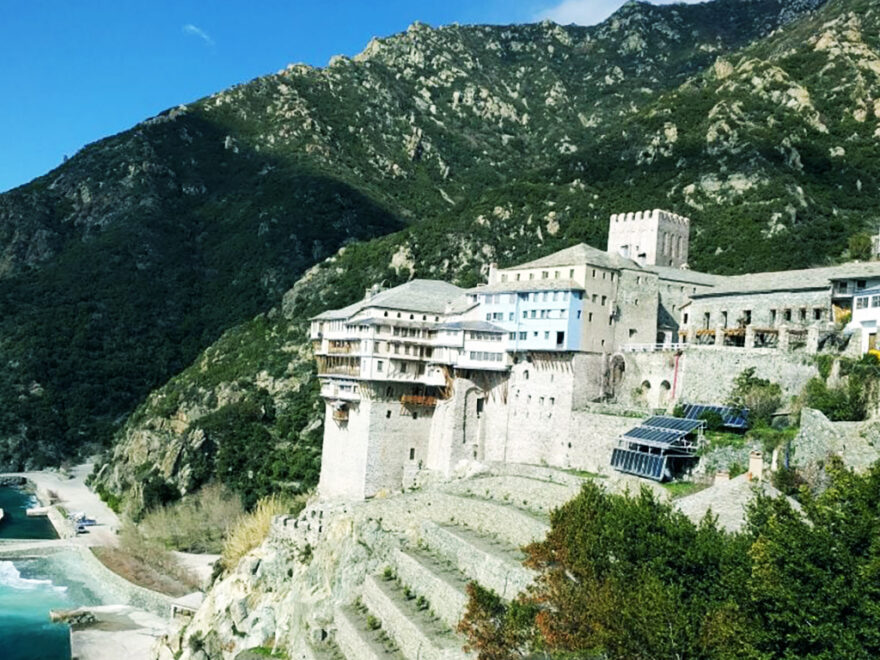
In the Orthodox Church, time is not merely a chronological phenomenon but a spiritual path. On Mount Athos – Ἅγιον Ὄρος (Agion Oros, “the Holy Mountain”) – time is lived in such a way that past, present, and eternity intertwine. Therefore, it is no coincidence that the monks of Athos celebrate Christmas according to the Julian calendar on January 7, rather than on December 25 according to the Gregorian calendar.
The difference between calendars is not a conflict, but a diversity of rhythms:
-
Julian calendar – preserves the historical rhythm of the early Church
-
Revised Julian calendar – seeks to unite tradition and astronomy
-
Gregorian calendar – the practical measure of time in the civil world
Athos consciously chooses the old path, because in spiritual life the question is not,
“What date is it today?” but rather,
“Is my heart awake?”
2. “Σήμερον γεννᾶται Χριστός” – Today Christ Is Born
The Greek Christmas troparion says:
“Σήμερον γεννᾶται ἐκ Παρθένου”
Today Christ is born of the Virgin.
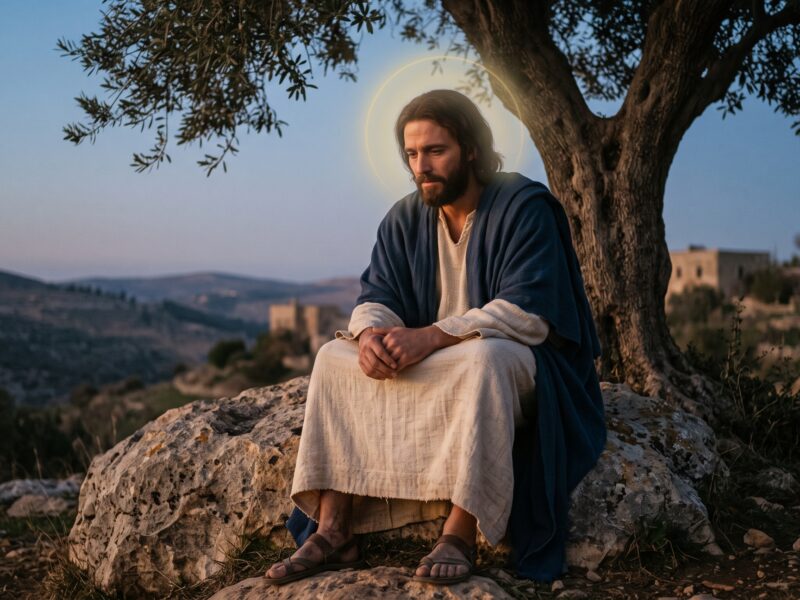
This “today” does not refer only to a historical moment in Bethlehem, but to an inner event within the human person. In Athonite spirituality, Christmas is not remembered – it is lived.
Saint Paisios of Mount Athos teaches that Christmas is not experienced through external preparations, but when the
νοῦς (nous – the mind of the heart) is directed toward divine contemplation.
In psychoanalytic language, one might say:
a person no longer lives on the level of reactions, but in conscious presence.
When the mind becomes still, the fear and emptiness hidden in the subconscious can become the “manger” in which Christ is born.
3. Shepherds and Sleepers – A Psychological Contrast
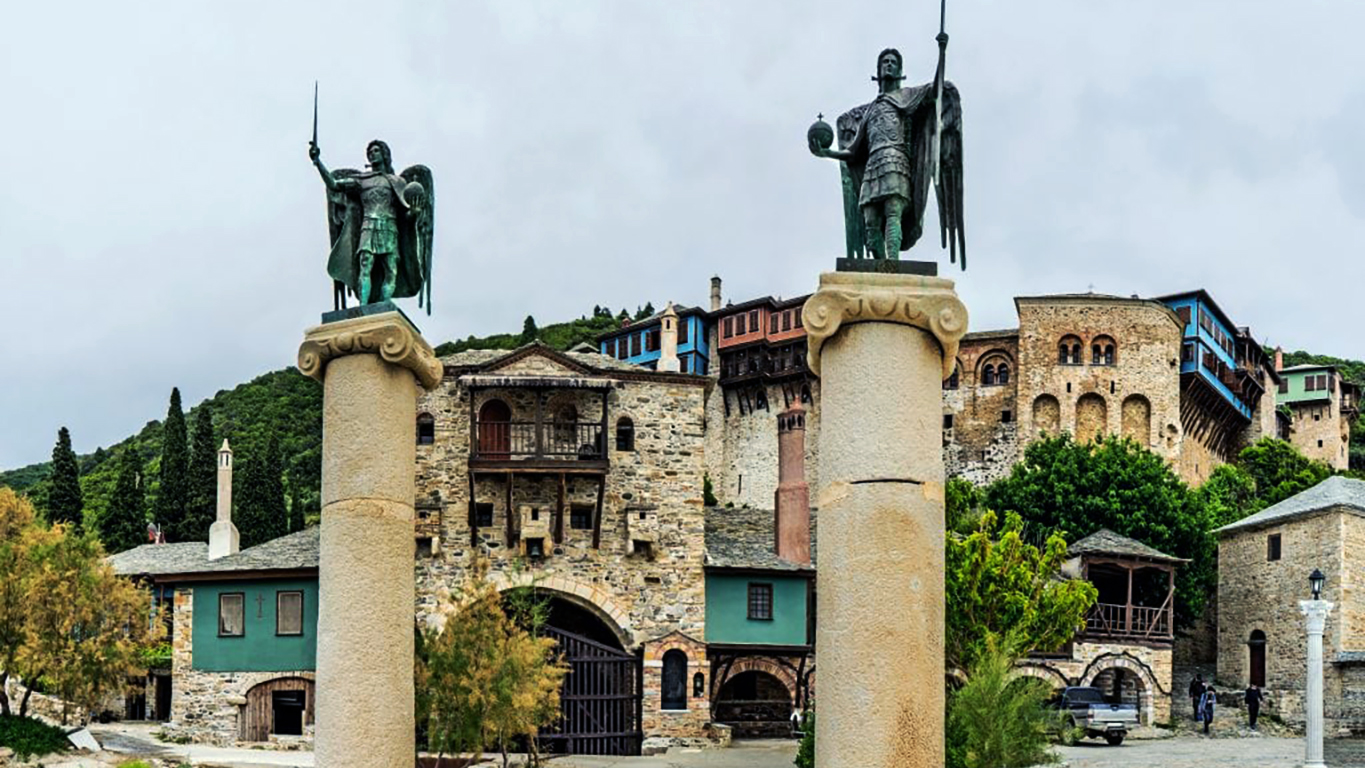
Saint Paisios points out two types of people on the night of Christ’s birth:
-
the rulers, who were asleep
-
the shepherds, who were keeping watch
This is not a social division, but an inner one.
Psychoanalytically:
-
sleeping = unconsciousness, the comfort of the ego
-
watchfulness = awareness, responsibility, openness
The shepherds saw Christ because they were awake – both inwardly and outwardly.
4. The Cave as the Human Soul
The cave of Christ’s birth was empty, cold, and poor.
It symbolizes the state of the human soul when all external supports have fallen away.
The words of the Prophet Isaiah:
“The ox knows its owner, and the donkey its master’s manger.”
In Athonite tradition this means that even instincts and vulnerability can become communion with God, if a person does not flee from their own poverty.
5. The Night Vigil – Re-tuning the Soul
Christmas on Athos culminates in an all-night vigil, where time seems to come to a standstill. Candlelight, incense, and chant are not aesthetics, but a re-tuning of the soul.
The Greek word:
“Ἡσυχία” (hesychia – silence, inner stillness)
This silence is not emptiness, but a fullness of presence, in which a person restores contact with their deeper self – and with God.
6. Key Points in Summary
-
Christmas on Athos is not a date, but a spiritual event
-
The difference between calendars expresses different perceptions of time, not division
-
The birth of Christ must take place within the human person
-
Silence and watchfulness are prerequisites for spiritual awakening
-
Psychologically: Christmas signifies the rebirth of the self
7. Final Word
Mount Athos teaches that true Christmas joy is not born of consumption, but of inner clarity.
“Δόξα ἐν ὑψίστοις Θεῷ”
Glory to God in the highest.
When the human heart becomes a manger, time no longer divides –
time sanctifies.

Trough all this I want to declare this is all from God and to God. All Glory to Him!