Views: 5
The 9-6-3 Prayer in the Light of Orthodox Tradition
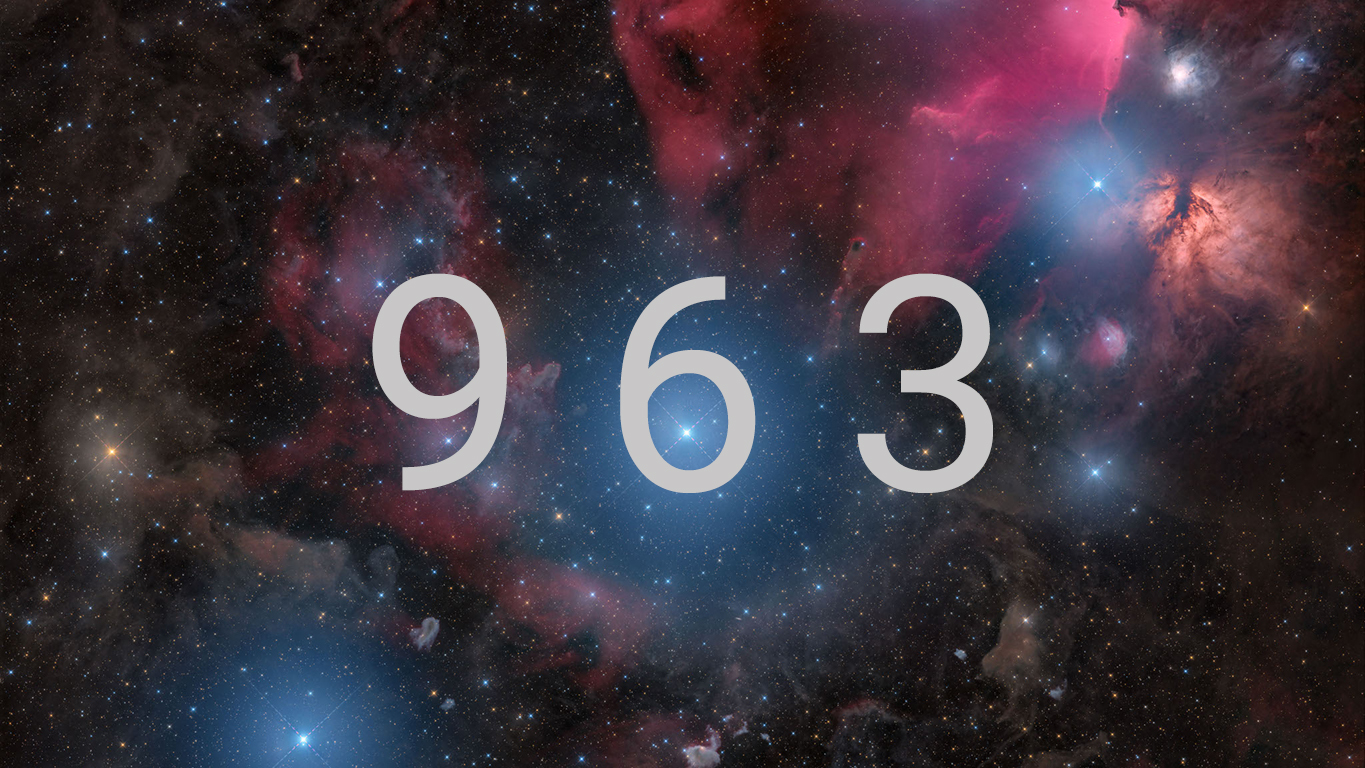
The 9-6-3 prayer does not originate directly from the liturgical texts of the Fathers, yet its inner structure aligns perfectly with what Orthodox spirituality has always emphasized: repentance, purification, and renewal in the light of God. When the rhythm of prayer follows the movement of the Triune God, it stops being a technique and becomes a journey of the heart.
9 – Divine fullness, the maturity of spiritual fruit
In biblical symbolism, the number nine is associated with the fruit of the Holy Spirit, as listed by the Apostle Paul. Orthodox Fathers such as John Cassian and St. Maximus the Confessor taught that virtues do not arise from human effort alone, but from “the warmth of divine light” that illumines the heart. Nine represents maturity—what God brings forth within a person who rests before His face as wax softens under the sun.
6 – human limitation and repentance
The number six is the number of humanity, for man was created on the sixth day. St. Gregory Palamas wrote that “human nature always lacks one more step to perfection—this step is not taken by man himself, but by God within him.” Six thus embodies repentance: a humble acknowledgment of one’s limitations, darkness, and woundedness, and a confession that only God can heal the human heart.
3 – the power of the Resurrection and the fullness of the Trinity
The number three bears the seal of the Holy Trinity. Christ rose on the third day, and all Christian hope rests upon this truth. Three symbolizes the triumph of light over darkness, the rising of the inner life, and the restoration of divine peace in the soul. The Fathers emphasize that resurrection is not only a future event but a daily inner awakening.
Together, the numbers 9, 6, and 3 outline three movements of the spiritual life: (1) receiving God’s light, (2) humbly purifying the heart, and (3) walking in the power of the Resurrection. This is the entire Orthodox life condensed into a single rhythm.
SERMON: The Rhythm of Rising in the Light of God
Beloved brothers and sisters in Christ, our souls need rhythm just as our hearts need a pulse. God created us to breathe in a certain order: inhale, exhale, rest. Prayer follows the same pattern. It is the prolonged breath of the soul. When we breathe toward God, we breathe out everything that is not from Him.
The 9-6-3 prayer does not attempt to move God, but to place our hearts in motion—into the movement of His grace. First, we allow God to come and fill us. Then we lay before Him everything in us that is wounded, sinful, or weary. And finally, we allow Him to lift us up by the power of His Resurrection.
When the Lord Jesus raised Lazarus from the tomb, it was not only a miracle but a lesson: God always calls forth life from within what has fallen, when a person cries out to Him. He does the same for you. Not all at once, but rhythmically.
So take a moment each day—morning or evening—and allow God to wipe the dust from your soul, to illumine your heart, and to renew your mind. We rise not because we are strong, but because He who is Light from Light touches us with His peace. And when He touches the soul, even darkness becomes a bearer of light.
A PERSONAL PRAYER RHYTHM FOR DAILY USE
In the morning – begin with the 9-6-3 rhythm to receive clarity and peace for the day.
Throughout the day – use brief moments of silence (“Lord, have mercy”) to remain centered.
In the evening – return to the 9-6-3 rhythm with a stronger emphasis on repentance.
On Sundays – expand the rhythm into a longer, liturgical-style prayer, or combine it with psalms such as Psalm 23, 51, and 91.
AN ORTHODOX 9-6-3 PRAYER (liturgical style)
9 – Receiving the Light of God
Lord Jesus Christ, Light from Light and true God from true God, come and illumine my heart. Fill me with the peace of the Holy Spirit, that my mind may be clear and my soul find rest. Let Your grace mature within me the fruits of goodness, gentleness, and love. Open the inner eyes of my heart, that I may sense Your presence and walk according to Your will.
6 – Purification and repentance
Have mercy on me, O God, according to Your great compassion. I confess my weakness and humble myself before You. Cleanse me from all that clouds my mind and hardens my heart. Wash away bitterness, fear, pride, and everything that blocks the path of love within me. Let my soul grow silent before You until my thoughts become steady and my heart is made peaceful again.
3 – Resurrection and strength
Raise me up, Lord, in the light of Your Resurrection. Grant me strength to walk in Your peace and wisdom. Place on my lips words that carry life, and in my heart the peace that surpasses understanding. Guide me by Your Spirit, that today and every day I may be a bearer of Your light in the world. Amen.
Analysis and Factual Justifications: The 9-6-3 Prayer in Orthodox Tradition
1. 9 – Divine fullness and the fruits of the Holy Spirit
The number 9 in the Bible is often associated with God’s fullness and spiritual maturity. The clearest reference is in Galatians 5:22–23 (Galaatlastele), where Paul lists the fruits of the Holy Spirit: love, joy, peace, patience, kindness, goodness, faithfulness, gentleness, and self-control. These nine qualities form a framework of spiritual maturity.
In Orthodox patristic teaching, such as in the works of John Cassian and St. Maximus the Confessor, it is emphasized that true spiritual maturity does not come from human effort alone but from God’s grace, which works within the soul. Therefore, in the prayer, 9 represents God’s perfect fullness and the illumination of the soul.
Additionally, in Orthodox tradition, the number 9 reflects the presence of the Holy Spirit in liturgical prayer, when the soul is open and receptive to God’s work. Psalms, such as Psalm 91, reinforce this idea, portraying that under God’s protection, the soul can experience perfect safety and peace.
2. 6 – Human limitation and repentance
The number 6 represents humanity, as humans were created on the sixth day (Genesis 1:26–31 – 1. Moosese raamat). In Orthodox tradition, for example St. Gregory Palamas, it is emphasized that human nature must submit to God’s will, because no one can achieve full spiritual perfection on their own.
In prayer, the 6-step section signifies repentance, humility, confession, and purification of the soul. Psalm 51:12 (Psalmid) says: “Create in me a clean heart, O God, and renew a steadfast spirit within me,” which is a direct biblical confirmation of the need for humility and purification.
Factually, Orthodox Fathers teach that soul cleansing and confession are not merely ritual acts, but inner processes whereby a person entrusts their weakness to God and allows His grace to purify heart, mind, and will. This step is essential for aligning one’s spiritual path with God’s will.
3. 3 – Resurrection and the fullness of the Trinity
The number 3 symbolizes the Trinity and Christ’s resurrection on the third day (Luke 24:6 – Luuka evangeelium). Orthodox theology emphasizes that resurrection is not only a future event but also a present spiritual reality: we rise spiritually when our mind and heart are opened to God’s light.
The significance of the Trinity confirms that the strength, guidance, and presence we seek in the 3-step portion of the prayer come from God alone. Christ’s resurrection serves as a prototype for daily spiritual awakening, manifested as:
- restoration of spiritual strength,
- inner peace,
- experience of wisdom and guidance,
- and awareness of God’s presence.
In Orthodox practice, the spiritual meaning of resurrection is central, as it connects personal daily life with liturgical experience and inner spiritual growth.
Summary
The 9-6-3 prayer is deeply biblical and consistent with Orthodox spirituality, following a three-step rhythm:
- 9 – Receiving God’s fullness and the fruits of the Holy Spirit, bringing illumination and spiritual maturity to the soul.
- 6 – Human repentance and humility, allowing purification from sin, submission to God’s will, and preparation for God’s work within the soul.
- 3 – Resurrection and the fullness of the Trinity, providing spiritual strength, guidance, and communion with God’s presence, demonstrating that daily life can reflect the power of Christ’s resurrection.
The prayer’s rhythm aligns with Orthodox liturgical practice: first, receiving God’s light; second, purifying the soul; third, experiencing resurrection power and divine strength. Biblical references and patristic teachings provide a solid factual basis for the spiritual significance of each step.
Biblical and Patristic References
- Galatians 5:22–23 – Fruits of the Holy Spirit (love, joy, peace, patience, kindness, goodness, faithfulness, gentleness, self-control).
- Genesis 1:26–31 – Creation of humanity on the sixth day (human limitation and dependence on God’s grace).
- Luke 24:6 – Christ’s resurrection on the third day (resurrection power in prayer).
- Psalm 91:1 – God’s refuge and protection, connected with the 9-step portion (receiving God’s fullness and peace).
- Psalm 51:12 – Cleansing of the heart and renewal of the spirit, connected with the 6-step portion (repentance and purification).
Patristic Sources:
- John Cassian, Conferences – teachings on the development of virtues through God’s grace.
- St. Maximus the Confessor, Mystagogia – the maturation of the soul and spiritual illumination.
- St. Gregory Palamas, Triadica – importance of humility and subjection of the human will.

Martinus Vaicarius’s mission is to:
- Provide spiritual support and guidance to people seeking peace and hope
- Create prayer texts that bring God’s peace to hearts suffering under fear and anxiety
- Promote deep understanding of the power of the
- God of Sabaoth and the protection of the heavenly hosts
- Help people enter the spiritual sphere where God’s peace reigns over all
AICortex Invest OÜ
- Spiritual Warfare: From the Abyss to Glory — A Practical Guide to Overcoming Satan - 27. Jul 2026
- The Hierarchy of Angels: 9 Ranks, Names, and Duties Explained - 25. Jul 2026
- HCHC Launches “The Catechist: The Art of Listening and Teaching” — New Orthodox Certificate Program for 2026–2027 - 24. Jul 2026