Savi pottsepa käes
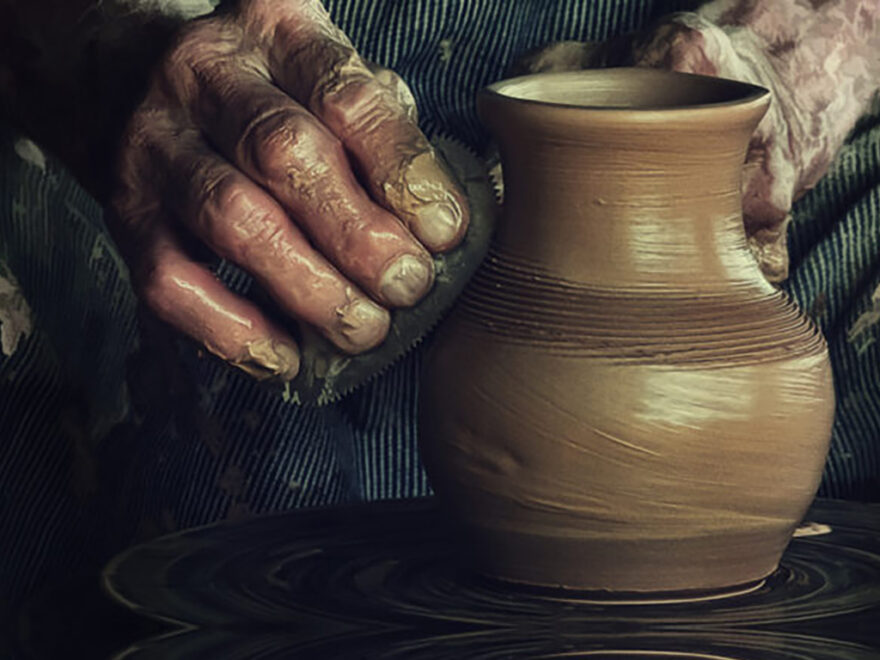
Jeremija 18:1 Sõna, mis Jeremijale tuli Issandalt, kes ütles: 2 „Tõuse ja mine alla potissepa kotta, ja ma annan seal sulle kuulda oma sõnu!” 3 Siis ma läksin alla potissepa kotta, ja vaata, ta tegi tööd potikedra juures. 4 Ja kui astja, mida ta savist tegi, potissepa käes ebaõnnestus, siis ta tegi sellest teise astja, nagu potissepa silmis õigem näis olevat teha. 5 Siis tuli mulle Issanda sõna; ta ütles: 6 „Kas mina ei või teiega teha nõnda nagu see potissepp, oh Iisraeli sugu! ütleb Issand. Vaata, otsekui savi potissepa käes, nõnda olete teie minu käes, Iisraeli sugu!
Kujund Jumalast kui pottsepast ja tema rahvast kui savist Looja käes esineb mitmel korral Piiblis (Js.29:16, 45:9, 64:7; Rm.9:21). See kannab endas mõtet muutumisest. Kristlase elu on protsess, mille käigus Jumal muudab meid järjest enam Jeesuse sarnaseks (Rm.8:29-30). See aga ei toimi ilma meie osaluseta. Elu muudab meid nii või teisiti, aga enamasti mitte paremaks. Miks on mõni inimene otsekui meistriteos, aga teine nagu vormitu savikäntsakas? Asi pole Jumala suveräänses tahtes, vaid selles, et üks lasi pottsepal ennast muuta, aga teine mitte. Iga inimene on elu lõpuks kõigi enda valikute summa. Muutumine on enamasti ebameeldiv ja sageli ka valus. Milliseid meetodeid kasutab taevane pottsepp meie muutmiseks, sellest nüüd lähemalt.
Projekt
Enne kui pottsepp tööle asub, tuleb tal kavandada projekt. Jumalal on meie elu jaoks projekt. Ta on meid kutsunud ja valinud enne meie sündimist (vt. Jr.1:5; Ps.139:13-16; Gl.1:15). Meil tuleb see eesmärk avastada, mitte ise välja mõelda. Jumala plaan on meie jaoks alati parim. Me oleme loodud Jumala poolt ja Jumala jaoks ning meie elu kuulub talle. Palu, et Jumal ilmutaks sulle, kelleks ta sind on kutsunud. Pühenda ennast täielikult talle ja lase tal ennast vormida.
Materjal
Savil on suur potentsiaal, aga see ei teostu automaatselt. Inimene peab otsustama, et ta annab ennast täielikult Jumalale üle ning et kogu tema elu (vaim, hing, ihu, aeg, raha, suhted jne) kuulub Jumalale kui materjal, mida tema võib kasutada nii nagu ta õigeks peab.
Vesi
Ilma veeta ei ole võimalik savi pehmeks ja vormitavaks muuta. Vesi sümboliseerib Jumala Vaimu (vt.Jh.7:3-39). Taevane pottsepp valab oma Vaimu inimese kõva südame peale ja hakkab seda pehmemaks muutma. Ei piisa üksnes sellest, et vett valatakse peale, vaid see tuleb sõtkuda savi sisse. Jumal ei taha valada oma Vaimu vett meie peale ainult kirikus, vaid soovib, et kõik meie elu valdkonnad oleksid täidetud tema Vaimuga.
„Veeprotseduurid“ on mõnusad ja värskendavad. Jumal on kogetavalt ligi, palvevastused tulevad kiiresti. Usuelu on põnev ja elav. Oleks ometi kogu usuelu selline!
Pottsepa kedra peal
Pehmeks vormitud savi pannakse pottsepa kedra peale ja see hakkab kiiresti ringi käima. Tundub, et me oleme kaotanud kontrolli ja meie elus valitseb ebakindlus. See ei ole meeldiv. Meid pigistatakse igalt poolt ja me tahaksime pottsepa kedra pealt põgeneda. Püsi paigal, sest see on koht, kus Jumal sind muudab. Me ei tea, kui kaua see kestab, aga me teame, et taevase pottsepa pilk on meie peal ja tema käed vormivad meid nii väljast kui ka seestpoolt. Jumal pole huvitatud üksnes välistest muutustest, vaid soovib muuta meid ka sisemiselt. Tema käed ümbritsevad meid, aga samas tundub maailm meie ümber ringi käivat. Pottsepp kontrollib olukorda. Ta ei vormi savi liiga õhukeseks, nii et see kokku kukuks ega lase kedral nii kiiresti keerutada, et savi selle pealt maha paiskuks. Jumal ei lase meid kiusata üle meie jõu (1.Kr.10:13), kuid muutmata ta meid samuti ei jäta. Kui sa oled oma eluga „nässu läinud“, siis lase Jumalal otsast alustada. Ta ei viska sind minema, vaid paneb tagasi kedra peale ja alustab otsast. Kristus peab olema meie elu keskpunktiks, muidu ei suuda me püsida pottsepa kedra peal ning elu keerdkäigud paiskavad meid sealt maha.
Kuivamine
Järgmiseks paneb pottsepp astja riiulile terveks nädalaks kuivama. Seda protsessi ei saa kiirendada, sest savi kuivab seest ja väljast erineva kiirusega. Kiirustamine tekitaks mikropragusid, mis rikuksid astja ära. Kuivamisaeg on aeg, mil taevas tundub vaikivat. Usuelu on kuiv. Meie elus võib olla pikki perioode, mil me ei tunne Jumala ligiolu. Kui Jeesus oli kõrbes kuradi kiusata, siis taevas vaikis. Jumal oli tema ristimisel tunnistanud, et Jeesus on tema armas Poeg, Püha Vaim oli ta peale tulnud ja taevas oli avatud. Siis aga taevas vaikis ja ainult hingevaenlase hääl kumises Jeesuse kõrvus. Paljud Piibli usukangelased on pidanud pikki aastaid „riiulil kuivama“. Asja teeb valusamaks see, et me näeme, kuidas pottsepp kellegi teise elus parajasti „veeprotseduure“ teeb. Pea meeles, et ootamisaeg on samuti muutumisaeg. Ühtegi etappi ei saa millegagi asendada ega vahele jätta. Püsi paigal, ole ustav ja hoia kinni Jeesusest.
Eelpõletus
Järgmiseks paneb pottsepp anuma ööpäevaks ahju ja kuumutab seda 700-900 ºC juures. Meie usk katsutakse tules läbi, nagu kuld (1.Pt.1:6-7; 4:12-13). Kannatused on vältimatu osa inimese elust siin maailmas. Need võivad meid teha tugevaks, aga seda ainult juhul kui me Jumalat usaldades nendest läbi läheme. Sportlast ei tee tugevaks raskused, vaid nende võitmine. Jumal tahab, et me ei jääks nõrkadeks lasteks, vaid saaksime vaimus tugevaks. See, et meie elus on kannatusi, ei tähenda, et Jumal on meid maha jätnud. See on võimalus saada tugevamaks. Pea meeles, et kui Jumal vaatamata meie korduvatele palvetele mõnda olukorda ei muuda, siis kasutab ta tõenäoliselt neid olukordi meie muutmiseks.
Lihvimine
Pärast ahjus põletamist, lihvib pottsepp saviastja siledaks ja kõrvaldab konarused. Meie elus on palju konarusi, mis „kraabivad“ teisi inimesi. Inimene võib olla Jumala poolt kutsutud ja võitud, aga nii „okkaline“, et õnnistamise asemel ta hoopis kahjustab teisi enda ümber. Sageli kasutab Jumal meie lihvimiseks inimesi, kes nagu liivapaber, lihvivad meid siledamaks.
Õp.27:17 Raud ihub rauda ja inimene ihub teist.
Kellelegi ei meeldi, kui teine inimene teda lihvib. Jumal kasutab vahel meie lihvimiseks ka inimesi, kes meile ei meeldi. Tea seda, et Jumalat huvitab meie muutmine rohkem, kui meie mugavus.
Glasuurimine
Kui astja on valmis, siis katab pottsepp selle glasuuriga. Jumal ümbritseb inimese oma Vaimuga. Alt astjat ei glasuurita. See tähendab, et meie ellu jääb alati midagi inimlikku ja maist. Keegi meist pole täiuslik, aga me peame riietuma Kristusega (Kl.3:12), nii et teda oleks rohkem näha.
Järelpõletus
Pärast glasuurimist paneb pottsepp astja 36 tunniks ahju ja kuumutab seda enam kui 1240ºC juures. See pole krematoorium, mille eesmärk on sind tuhastada. Ka sügavalt vaimulikel inimestel on kannatusi ja katsumusi. Kannatused kaovad alles siis kui Jumal loob uue taeva ja uue maa, aga me võime olla kindlad, et Jeesus on meiega ka tulises ahjus.
Valmis
Nüüd on astja valmis ja seda saab kasutada. Jumal soovib meid täita oma Vaimuga, et siis meie kaudu oma Vaimu teiste peale valada. Kogu eelpool kirjeldatud protsessi eesmärk on lasta ennast muuta astjaks, mida Looja saab kasutada enda töös. Jumal teeb meiega kannatlikult tööd, jätmata vahele ühtegi etappi selles pikas protsessis. Lase tal ennast muuta.
- Kas sa oled andnud ennast täielikult „taevase pottsepa“ kätte?
- Milline etapp selles protsessis on praegu sinu elus?
- Milliseid valdkondi sinu elus on kõige raskem Jumalale üle anda?
- Kas sa tahad rohkem muutusi või mugavust?
Palve: Taevane Isa. Ma usaldan ennast sinu kätesse. Muuda mind rohkem Jeesuse sarnaseks. Kõrvalda minu elust kõik, mis pole sulle meelepärane. Tee mind sisemiselt tugevaks, et ma suudaksin jääda püsima katsumustes. Täida mind oma Vaimuga ja tee mind õnnistuseks teistele, kes vajavad Jeesust.
Jeesuse, sinu Poja nimel.
Aamen.
AUTORI ISELOOMUSTUS
Allan Kroll
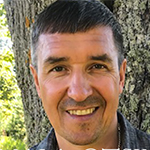 Allan Kroll on kristlik õpetaja, jutlustaja ja vaimulik autor, kelle kirjutisi iseloomustab sügav piibellik mõtlemine, vaimulik kainus ja selge kutse isiklikule meeleparandusele ning pühendumisele. Tema sõnumites on keskne teema elav ja aus suhe Jumalaga, mitte formaalne religioossus.
Krolli õpetus on tugevalt juurdunud Pühakirjas ning ajaloolises kristlikus usus. Ta käsitleb julgelt teemasid nagu südamehoiak, vaimulik leigus, enesepettus ja vajadus pideva Jumala otsimise järele. Tema stiil on otsekohene, pastoraalne ja samas sügavalt hingekosutav.
Allan Krolli kirjutised kutsuvad lugejat mitte rahulduma pinnapealse usuga, vaid otsima Jumalat kõigest südamest, kogu elu vältel.

Martinus Vaicarius’s mission is to:
- Provide spiritual support and guidance to people seeking peace and hope
- Create prayer texts that bring God’s peace to hearts suffering under fear and anxiety
- Promote deep understanding of the power of the
- God of Sabaoth and the protection of the heavenly hosts
- Help people enter the spiritual sphere where God’s peace reigns over all
Europe Heaven Invest 2072 Gold OÜ
- JEESUSE PALVE : Kuidas 7 sõna võivad muuta su vaimset elu - 3. märts 2026
- Phanuel – Valguse ja Tõe Ingli Müstiline vari Õigeusu traditsiooni valguses - 3. märts 2026
- Sügava Vaikuse Palve – Hesühhaatilise Traditsiooni Palve Südame Puhastamiseks,Jumala Energiate Vastuvõtmiseks ja Jumalikustamiseks - 23. veebr. 2026