Great Lent 2026: A Complete Orthodox Guide to Prayer, Fasting, and Repentance
Great Lent 2026 — also known as the Great Fast or Velikiy Post — begins on 23 February 2026 (Clean Monday) and concludes on Great Saturday, 11 April 2026. Orthodox Pascha (Easter) is celebrated this year on 12 April 2026. Great Lent is the most solemn and spiritually intensive period of the Orthodox liturgical year — a six-week spiritual journey that prepares the faithful for the joyful celebration of Christ’s Resurrection. This article has two aims: to offer a theologically sound account of the nature of Great Lent, and to serve as a practical guide for all who ask how to observe Lent in the Orthodox tradition.
1. What Is Great Lent? Theological Background and History
Great Lent is the oldest and most rigorous fasting period in the entire Orthodox liturgical tradition. It is not merely a dietary restriction, nor a self-generated exercise in personal discipline — it is a comprehensive season of spiritual renewal and repentance, in which the whole life of the Church is re-ordered around three pillars: prayer, fasting, and almsgiving. Metropolitan Kallistos Ware has written that Great Lent is a “spiritual spring” — a time in which the Christian purifies the soul and prepares to receive the joy of Christ’s Resurrection.
Historically, Great Lent is rooted in the early Christian practice of preparing baptismal candidates (catechumens) for reception into the Church at Pascha. As early as the second century, Eusebius of Caesarea, the father of Church history, mentions a forty-day period of fasting. By the fourth century, the forty-day fast had become universal throughout the Church, mirroring Jesus’ forty-day fast in the wilderness (Matthew 4:1–11), Moses’ forty days on Mount Sinai (Exodus 34:28), and Israel’s forty years of wandering in the desert. These biblical parallels give Great Lent its profound sacramental significance.
Orthodox Lent does not end on Palm Sunday, as in many Western traditions. The fast continues throughout Holy Week (Passion Week) until the conclusion of the Paschal Divine Liturgy. This makes the total Orthodox fasting period approximately seven weeks — forty days of Great Lent proper, followed by Holy Week.
2. Key Dates and Calendar for Great Lent 2026
Great Lent 2026 — Orthodox Lent guide — is most clearly understood through the liturgical calendar. The table below presents all the principal dates of the season.
|
Date / Occasion |
Significance / Event |
|
1 February 2026 |
Beginning of the Triodion — liturgical preparation commences |
|
1 February |
Sunday of the Publican and the Pharisee (fast-free week follows) |
|
8 February |
Sunday of the Prodigal Son — second preparatory Sunday |
|
15 February |
Sunday of the Last Judgement (Meatfare Sunday) |
|
22 February |
Cheesefare Sunday (Forgiveness Sunday) — the last day before Great Lent |
|
23 February 2026 |
GREAT LENT BEGINS — Clean Monday |
|
23–26 February |
Clean Week — the strictest week of fasting; the Great Canon is read in four parts |
|
1 March (1st Sunday) |
Sunday of Orthodoxy — Triumph of the Holy Icons |
|
8 March (2nd Sunday) |
Sunday of St Gregory Palamas |
|
15 March (3rd Sunday) |
Sunday of the Veneration of the Holy Cross |
|
19 March |
The Great Canon of St Andrew of Crete read in its entirety (Wednesday, 5th week) |
|
21 March |
Akathist Hymn to the Theotokos — Friday of the 5th week |
|
22 March (4th Sunday) |
Sunday of St John Climacus |
|
25 March |
Annunciation of the Theotokos — fish permitted |
|
29 March (5th Sunday) |
Sunday of St Mary of Egypt — the icon of repentance |
|
5 April |
Lazarus Saturday — fish and fish roe permitted |
|
5 April (Palm Sunday) |
The Lord’s Entry into Jerusalem — fish permitted |
|
6–11 April |
Holy Week — the Passion of Christ |
|
10 April (Good Friday) |
Lamentations service — the strictest day of fasting |
|
11 April (Holy Saturday) |
The final day of Great Lent |
|
12 April 2026 |
HOLY PASCHA — The Resurrection of Christ |
3. Fasting During Great Lent: Rules and Theological Meaning
Orthodox fasting rules are the most rigorous of any Christian tradition. They are rooted in monastic practice and codified in the Typikon (the book of liturgical order). Fasting is not an end in itself, nor a mere dietary programme — it is the subjugation of the body to the soul, so that the spirit may pray with greater clarity. St John Chrysostom gave the classic formulation: “Fasting without prayer is the fast of demons, for demons neither eat nor drink, yet they do not pray.”
As a general rule, the following restrictions apply on weekdays throughout Great Lent:
-
Meat, fish with backbones, dairy products, eggs, and butter are entirely forbidden until Pascha
-
Olive oil and wine are permitted on Saturdays and Sundays, and on certain feast days
-
Shellfish and other invertebrate seafood (squid, mussels, clams, etc.) are permitted on weekdays
-
Clean Week (23–27 February): the strictest week — complete abstinence is recommended on Monday; on Tuesday and Thursday bread, water, and fruit may be taken; on Wednesday and Friday, after the Presanctified Liturgy, xerophagy is observed: boiled vegetables, salt, water, nuts, and honey
-
25 March — Annunciation of the Theotokos: fish, oil, and wine are permitted
-
Lazarus Saturday (5 April): fish and fish roe are permitted
-
Palm Sunday (5 April): fish, oil, and wine are permitted
-
Good Friday (10 April): complete fast until the Holy Saturday Liturgy
Note: The fasting rules represent the monastic ideal. Each person must find the appropriate measure according to their state of health, age, and the guidance of their spiritual father. In the words of St Ephraim the Syrian: “If you cannot fast for two consecutive days, fast at least until evening. And if you cannot fast until evening, then at least refrain from over-eating.”
4. The Life of Prayer During Great Lent: Special Services and Prayers
Great Lent is a time of intensified prayer in the Orthodox Church. How to observe Lent in the Orthodox tradition — this question is not primarily about food; it is above all about prayer. Metropolitan Kallistos Ware writes: “Fasting and prayer belong together like two wings: neither can fly alone.”
The special services and prayers of Great Lent include:
-
The Great Canon of St Andrew of Crete: read during Clean Week (the first four weekdays) in four parts, and in its entirety on the Wednesday of the fifth week. It is the longest and most deeply penitential canon in Orthodox worship — 750 troparia traversing every theme of repentance found in the Old and New Testaments.
-
The Liturgy of the Presanctified Gifts: celebrated on Wednesday and Friday evenings throughout Great Lent. The regular Divine Liturgy — which is always a celebration of the Resurrection — is replaced by this unique service, which combines Vespers with the distribution of Holy Communion pre-consecrated on the preceding Sunday. It is one of Orthodoxy’s most distinctive liturgical responses to the spiritual demands of the fasting season.
-
The Prayer of St Ephraim the Syrian: the principal Lenten prayer, recited on weekdays with prostrations. The text reads: “O Lord and Master of my life, take from me the spirit of sloth, despondency, lust for power, and idle talk. But grant to Thy servant the spirit of chastity, humility, patience, and love. Yea, O Lord and King, grant me to see my own transgressions and not to judge my brother, for blessed art Thou unto ages of ages.”
-
The Akathist Hymn to the Theotokos: sung on the Friday of the fifth week, dedicated to the Mother of God. It is among the most beloved hymns of the Orthodox Church.
-
The Bridegroom Matins: served on the evenings of Sunday, Monday, Tuesday, and Wednesday of Holy Week. Christ is depicted as the Bridegroom who comes at midnight to judge.
-
Holy Unction (Euchelaion): celebrated on the Wednesday evening of Holy Week. It is offered to all the faithful — not only to the sick — as a sacrament of healing and the remission of sins.
Personal prayer: During Great Lent, the faithful are encouraged to read the Morning and Evening Prayers in full, to pray Psalm 50 daily, and to increase their reading of the Psalter. St Ignatius Brianchaninov wrote: “A Christian must keep his prayer as a soldier keeps his weapon — always in readiness.”
5. Repentance and Confession: The Heart of the Lenten Journey
Repentance (Greek: metanoia; Latin: poenitentia) is the very centre of Great Lent. It is not merely a matter of feeling guilty — it is a turning of the mind, the will, and the entire direction of one’s life towards God. St John Chrysostom observed: “Repentance is not merely leaving sin behind; it is being so deeply convinced of its gravity that we are resolved never to commit it again.”
Confession (the Sacrament of Repentance) is of special importance during Great Lent. In Orthodox understanding, confession is the command of the spiritual physician to drive out the diseases of the soul. The faithful are strongly advised not to defer confession until Holy Week — it is preferable to confess during the first or second week of Great Lent, so that Holy Week may be devoted entirely to meditation on Christ’s Passion and Resurrection.
The three steps of repentance in the Orthodox tradition:
-
Examination of conscience (examen): each evening, review the day and honestly identify sins and failings
-
Contrition and the resolve to change: genuine sorrow for sin, motivated not by fear of punishment but by love of God
-
Confession and absolution: open confession before the priest, who serves as God’s witness — forgiveness comes from God alone, not from the priest himself
Almsgiving is the third pillar of repentance. St John Chrysostom taught: “If you wish God to be merciful to you in your sins, be generous in your giving to the poor.” Great Lent is not merely a season of personal withdrawal, but of heightened care and attention towards one’s neighbour.
6. The Five Special Sundays of Great Lent: Theological Depth
The Orthodox Church has assigned a particular theological theme to each of the six Sundays of Great Lent. Each Sunday constitutes its own subject for spiritual reflection, forming a unified whole — a journey from repentance to resurrection.
-
1st Sunday — Sunday of Orthodoxy (1 March 2026): commemorates the restoration of the holy icons in 843 AD and the victory of Orthodox faith over iconoclasm. The icon is not merely art — it is participatory theology: invisible truth made visible and accessible.
-
2nd Sunday — Sunday of St Gregory Palamas (8 March 2026): the great fourteenth-century Orthodox theologian who defended the doctrine of the uncreated light (the light of Tabor). This Sunday reminds us that Great Lent is not only negative — an emptying of self — but also positive: the receptive opening of the soul to the divine glory.
-
3rd Sunday — Sunday of the Veneration of the Holy Cross (15 March 2026): the Cross is brought forth at the midpoint of the fast as a source of strength and encouragement. This Sunday proclaims that the Lenten fast is not a merely human endeavour — its very possibility rests upon the power of the Cross of Christ.
-
4th Sunday — Sunday of St John Climacus (22 March 2026): the seventh-century master of the spiritual life, whose work The Ladder of Divine Ascent describes step by step the soul’s ascent into union with God. Great Lent is that ladder.
-
5th Sunday — Sunday of St Mary of Egypt (29 March 2026): a former prostitute who spent forty-seven years in the desert in repentance and prayer and attained profound holiness. This Sunday proclaims that no sin is so great that repentance cannot overcome it.
7. Holy Week 2026: The Crown of Great Lent
Holy Week (6–11 April 2026) is the holiest and most intense liturgical period of the entire Orthodox year. The fast becomes even stricter — above all from the evening of Great Thursday until the conclusion of the Paschal Liturgy, at which point the fast is entirely broken.
-
Great Monday–Wednesday: Bridegroom Matins — through extended poetic imagery, the services depict Christ’s encounter with death and his coming in judgement
-
Great Thursday: commemoration of the Last Supper; the Divine Liturgy of St Basil the Great; the washing of feet in some traditions
-
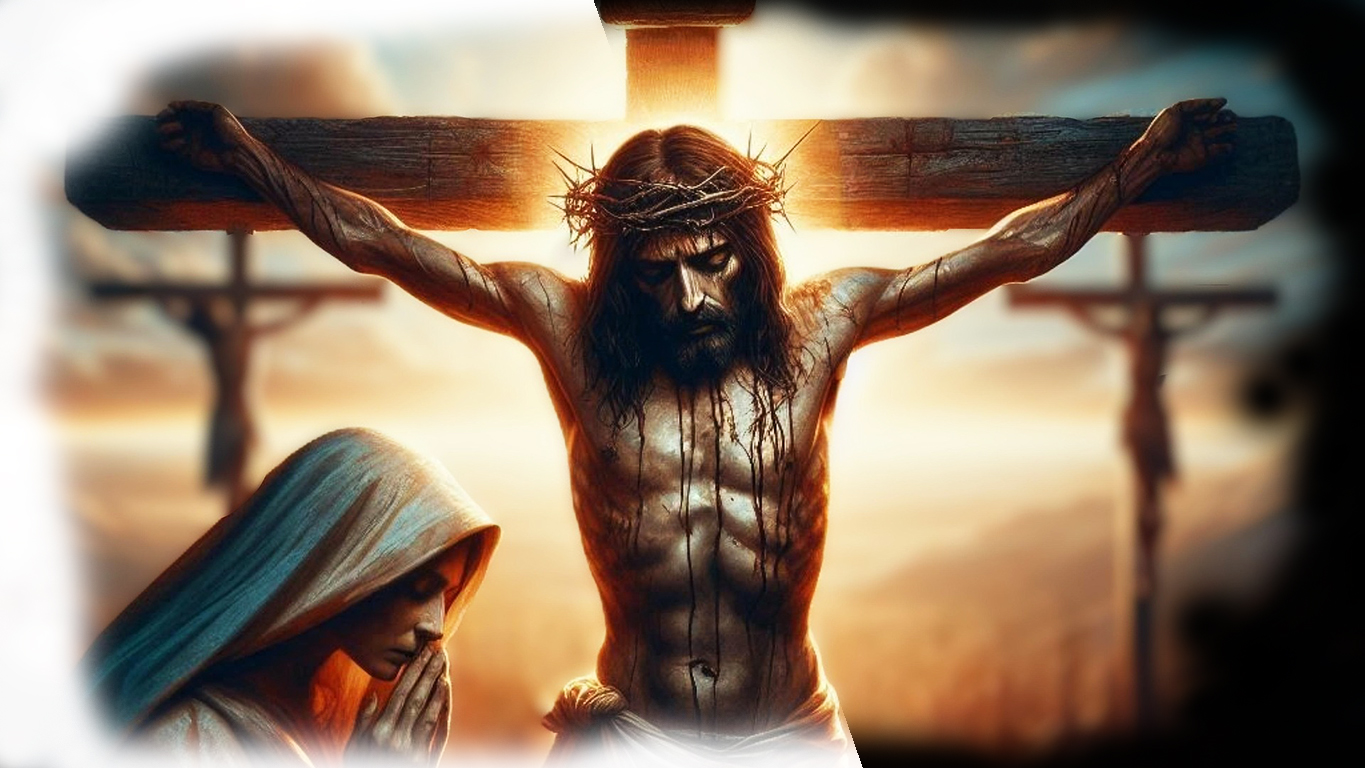
Good Friday: commemoration of the Crucifixion and Death of Christ; Matins (the Twelve Gospels) in the morning; Vespers with the procession of the Epitaphion (the burial shroud of Christ); complete fast
-
Great Saturday: the expectation of the Tomb and the Resurrection; the Divine Liturgy of St Basil the Great; the Paschal Vigil begins in the evening
-
Pascha — 12 April 2026: the joyful celebration of Christ’s Resurrection, beginning at midnight; the fast is broken; the church is ablaze with light
Metropolitan Anthony Bloom wrote of Holy Week: “These are days on which we no longer gaze at Christ from a distance — we are ourselves within the events. His death is our death; His Resurrection is our resurrection.”
8. Practical Guidance: How to Observe Orthodox Lent
Throughout the centuries, the Church Fathers have offered a wealth of practical counsel for keeping Great Lent fruitfully. The following eight points summarise the most essential:
-
Begin with the right disposition: Great Lent is not a competition to achieve the best results. It is a spiritual journey undertaken with God, in humility and trust.
-
Seek the guidance of a spiritual father: the measure of fasting must be individually determined — consult your priest or monastic elder before committing to a particular rule.
-
Attend the special services: make every effort to be present at the Presanctified Liturgy (Wednesdays and Fridays), the Great Canon, and the Akathist Hymn.
-
Read spiritual literature: St Ignatius Brianchaninov, The Ladder of Divine Ascent by St John Climacus, the writings of Elder Paisios of Mount Athos, and the Old Testament.
-
Reduce entertainment and distraction: fasting is not only about food — limit social media, television, and unnecessary socialising.
-
Practise almsgiving: give more generously to the poor, visit the elderly or the sick, support those in need.
-
Confess early: do not defer confession to Holy Week; confess during the first or second week of Great Lent.
-
Care for your health: strict fasting should not damage one’s health; those who are ill have broader dispensations.
St Seraphim of Sarov taught: “Acquire the spirit of peace, and thousands around you will be saved.” Great Lent is the appointed season for cultivating that inner peace — not for the outward display of rigour.
Conclusion
Great Lent 2026 (23 February – 12 April) is the most spiritually dedicated period of the Orthodox year — one whose purpose is not punishment, but rebirth. The Orthodox Lent guide presented in this article demonstrates that the three pillars of the Orthodox fast — prayer, fasting, and almsgiving — form an integrated spiritual therapy. Fasting purifies the body, prayer raises the soul towards God, and almsgiving opens the heart to one’s neighbour.
Theologically, Great Lent is a participation in Christ’s forty-day fast in the wilderness, in His Passion, and ultimately in the joy of His Resurrection. It is not the mechanical keeping of biblical commandments — it is a living union with Christ, which the Fathers call theosis — deification. St Athanasius of Alexandria expressed it most precisely: “God became man so that man might become God.” Great Lent is the season for putting that truth into the practice of daily life.
How to observe Orthodox Lent — the answer to this question is not merely a list of rules. It is an invitation to enter, for six weeks, into a different manner of living: into stillness, into self-knowledge, and into the receptive opening of one’s heart to divine grace. And when all of this reaches its fulfilment on the night of 12 April 2026, the Church will cry out its highest proclamation: “Christ is Risen! Truly He is Risen!”
Sources and References
1. Basilica.ro. Great Lent 2026 Begins Feb. 23; Pascha April 12. basilica.ro/en/great-lent-2026-begins-feb-23-pascha-april-12/ (February 2026)
2. Orthodox Church in America (OCA). Lenten Fasting. oca.org/liturgics/outlines/fasting-fast-free-seasons-of-the-church
3. Greek Orthodox Archdiocese of America. The Lenten Liturgies. goarch.org/-/the-lenten-liturgies
4. OrthodoxWiki. Great Lent; Liturgy of the Presanctified Gifts. orthodoxwiki.org/Great_Lent
5. Ware, Kallistos (Metropolitan Kallistos). The Orthodox Church. London: Penguin Books, 1997.
6. Ware, Kallistos. Introduction to the Lenten Triodion. South Canaan: St Tikhon’s Monastery Press, 1994.
7. OrthodoxFasting.com. The Great Orthodox Lent 2026. orthodoxfasting.com/fast/the-great-orthodox-lent-2026/
8. St John the Evangelist Orthodox Church. The Rules of Fasting for Great Lent. saintjohnchurch.org/rules-of-fasting-great-lent/
9. Holy Protection Orthodox Church. Fasting Guidelines. holyorthodox.org/fastingguidelines
10. St Ephraim the Syrian. The Lenten Prayer. Fourth century.

Martinus Vaicarius’s mission is to:
- Provide spiritual support and guidance to people seeking peace and hope
- Create prayer texts that bring God’s peace to hearts suffering under fear and anxiety
- Promote deep understanding of the power of the
- God of Sabaoth and the protection of the heavenly hosts
- Help people enter the spiritual sphere where God’s peace reigns over all
Europe Heaven Invest 2072 Gold OÜ