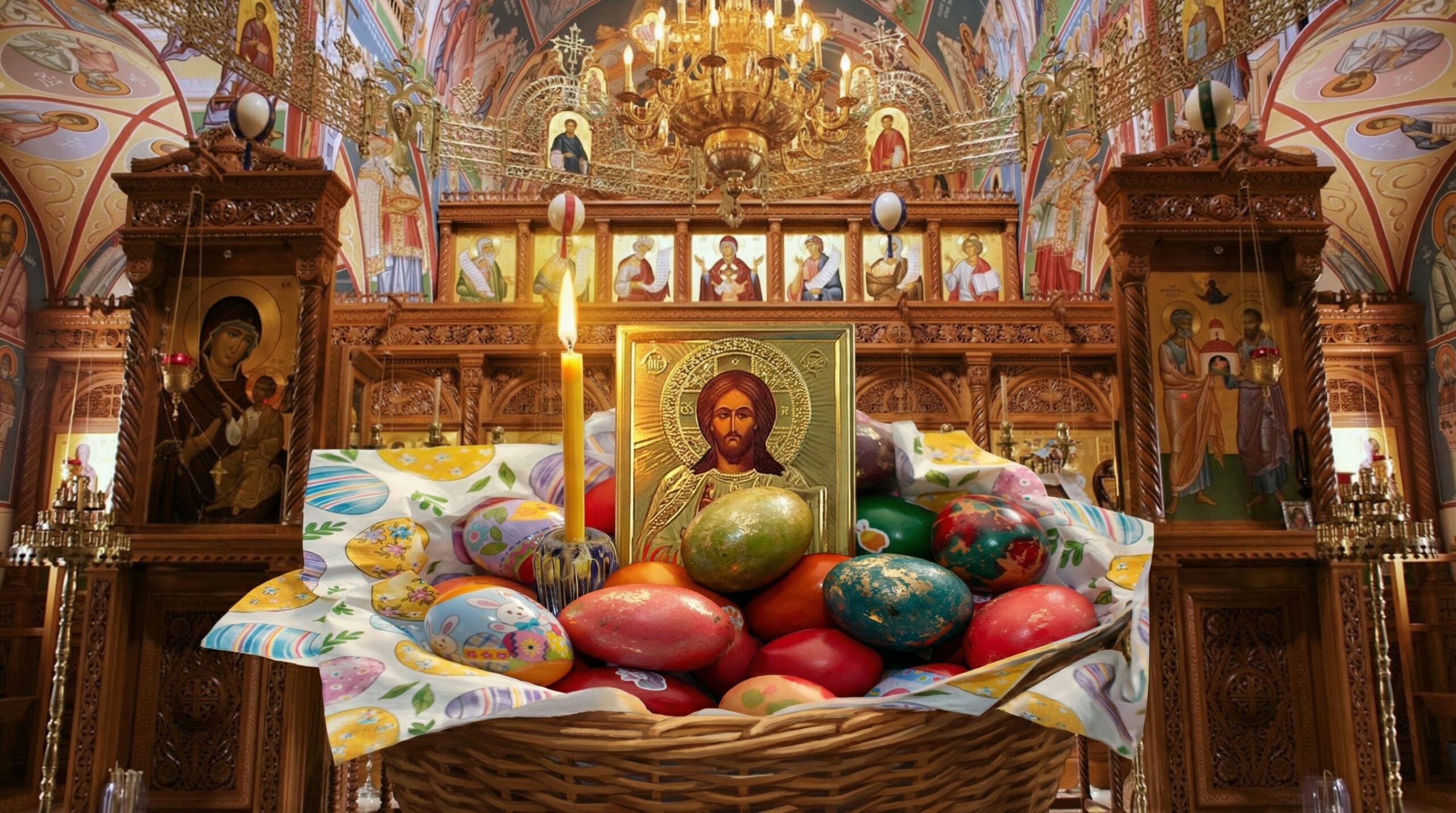
Easter 2026: The Deep Theological Meaning of Christ’s Resurrection in the Orthodox Tradition

Easter 2026: The Deep Theological Meaning of Christ’s Resurrection in the Orthodox Tradition Christ is risen from the dead, trampling down death by death, and upon those in the tombs bestowing life — the theology, prayers, and iconography of the greatest feast Table of Contents The Date of Easter 2026 and Its Liturgical Significance Christ’s Resurrection as the Re-creation of the World The Paschal Icon — The Visible Theology of…
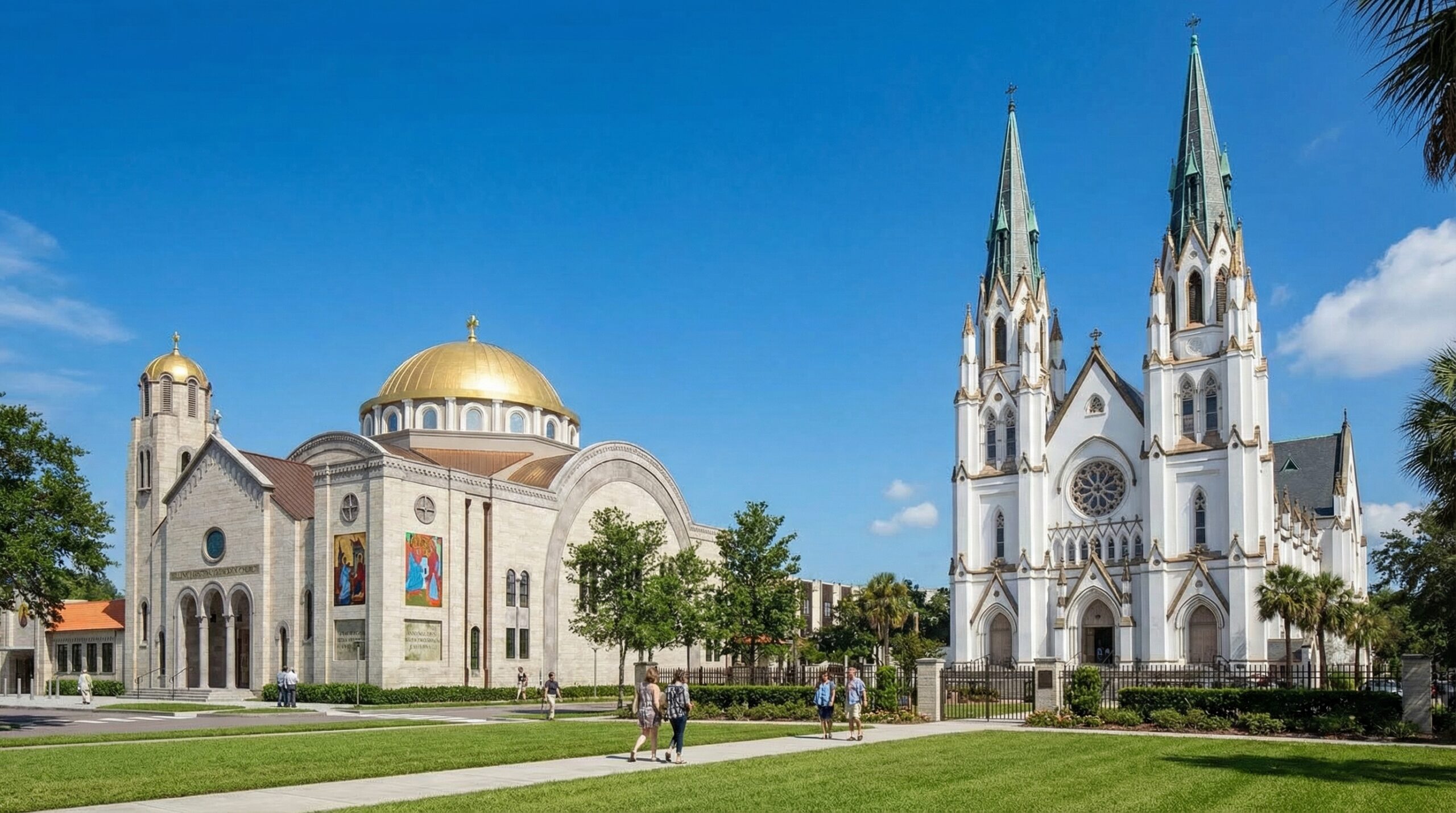
Orthodox vs Catholic vs Protestant: A Deep Theological Analysis of the Differences and Unity Between Eastern and Western Christianity

Orthodox vs Catholic vs Protestant: A Deep Theological Analysis of the Differences and Unity Between Eastern and Western Christianity The three main traditions of Christianity—Orthodoxy, Catholicism, and Protestantism—do not merely represent different ecclesiastical forms, but rather three profoundly distinct ways of understanding being, knowledge, and salvation. Questions such as “Orthodox vs Catholic,” “difference between Orthodox and Protestant,” and “Eastern vs Western Christianity” ultimately point to a deeper issue: how to…

The Prayer of Deep Silence – A Prayer of the Hesychast Tradition for the Purification of the Heart, the Reception of the Divine Energies, and Deification (Theosis)

✦ THE PRAYER OF DEEP SILENCE A Prayer of the Hesychast Tradition for the Purification of the Heart, the Reception of the Divine Energies, and Deification (Theosis)   Based on the Philokalia · The theology of Gregory Palamas · The meditations of Isaac the Syrian ✦ INTRODUCTION Why Does the Human Being Need Deep Silence? Hesychasm (Greek: ἡσυχία — hesychia) is the most profound tradition of spiritual practice in the…

Orthodox Christianity and Free Christianity: Differences, Common Ground, and Dialogue

Orthodox Christianity and Free Christianity: Differences, Common Ground, and Dialogue What Can We Learn from Each Other? — A Thorough Theological Analysis Between two great Christian traditions — Eastern Orthodoxy and evangelical Free Christianity — there often exists a silence heavy with mutual misunderstanding and unexamined assumptions. Yet both traditions share the same foundation: faith in Jesus Christ as Lord and Saviour. When we take the time to look one…

Why Are There So Many Orthodox Saints? Understanding the Orthodox Church’s Path to Holiness — An In-Depth Study

Why Are There So Many Orthodox Saints? Understanding the Orthodox Church’s Path to Holiness — An In-Depth Study Introduction The Orthodox Church has venerated thousands of saints throughout the centuries — men and women regarded as having attained holiness through divine grace and officially recognized as such by the Church. Some estimates cite more than a thousand names in ancient Greek menologia alone, a number that grows considerably when the saints…