
Views: 43
What is Salvation in Christianity? Your Path to Eternal Life Explained
Understanding the Foundation of Christian Salvation
Salvation stands at the very heart of Christian faith, representing humanity’s greatest hope and God’s most profound gift. For those seeking to understand Christianity or deepen their walk with Christ, grasping the concept of salvation is essential. This comprehensive guide will walk you through what salvation means, why we need it, how to receive it, and what it means for your eternal destiny.
At its core, salvation in Christianity refers to deliverance from sin and its consequences, culminating in eternal life with God. The word itself comes from the Latin “salvare,” meaning “to save” or “to rescue.” But what exactly are we being saved from, and how does this salvation work? These questions have occupied the minds and hearts of believers for two millennia, and the answers reveal the stunning beauty of God’s love for humanity.
The Problem: Why Humanity Needs Salvation
To understand salvation, we must first understand the problem it addresses. Christianity teaches that humanity exists in a state of separation from God due to sin. This isn’t merely about individual wrongdoings or moral failures, though those are certainly part of the picture. Sin represents a fundamental break in the relationship between the Creator and His creation, a cosmic rupture that occurred at the very dawn of human history.
The biblical narrative in the Book of Genesis describes how the first humans, Adam and Eve, lived in perfect communion with God in the Garden of Eden. This wasn’t simply a physical paradise but a state of complete harmony between the divine and human. However, when they chose to disobey God’s command, sin entered the world and fractured this relationship. The Apostle Paul explains in his letter to the Romans that “through one man sin entered the world, and death through sin, and thus death spread to all men, because all sinned” (Romans 5:12).
This theological concept, often called original sin, means that every human being born into this world inherits a sinful nature. We are not sinners because we sin; rather, we sin because we are sinners. This may seem like a harsh assessment, but Christianity holds that recognizing our sinful condition is the first step toward salvation. The prophet Isaiah wrote, “All we like sheep have gone astray; we have turned, every one, to his own way” (Isaiah 53:6). This tendency to go our own way, independent of God’s will, lies at the root of all human problems.
The consequences of sin extend far beyond moral guilt or psychological discomfort. Scripture teaches that “the wages of sin is death” (Romans 6:23). This death encompasses not only physical mortality but also spiritual death—eternal separation from God. Without intervention, every human being faces a future cut off from the source of all life, love, and goodness. This is the terrible predicament from which we need saving, and it is a problem we cannot solve on our own.
Many people throughout history have attempted to bridge this gap through various means. Some have pursued moral perfection, hoping that good deeds might outweigh bad ones. Others have engaged in religious rituals, ascetic practices, or philosophical contemplation. While these pursuits may have value, Christianity maintains that none of them can fundamentally address the problem of sin. As the prophet Jeremiah asked, “Can the Ethiopian change his skin or the leopard its spots? Neither can you do good who are accustomed to doing evil” (Jeremiah 13:23). The problem runs too deep for human solutions.
The Solution: God’s Plan of Salvation Through Jesus Christ
Here we encounter the breathtaking beauty of the Christian message. What humanity could not accomplish for itself, God accomplished for us. Salvation is not primarily about what we do for God, but about what God has done for us through Jesus Christ. This is what theologians call grace—unmerited favor, a gift we could never earn or deserve.
The Gospel, which literally means “good news,” proclaims that God Himself entered human history in the person of Jesus Christ. The Apostle John writes, “And the Word became flesh and dwelt among us” (John 1:14). Jesus was not merely a great teacher or moral example, though He was certainly both. Christians believe He was and is God incarnate—fully divine and fully human, the only person who ever lived without sin.
Jesus’ earthly ministry revealed God’s character and taught profound truths about the kingdom of heaven. He healed the sick, welcomed outcasts, challenged religious hypocrisy, and demonstrated a love that knew no bounds. But His teaching and miracles, as remarkable as they were, were not the primary purpose of His coming. Jesus came to die. This may seem strange or even morbid, but the cross stands at the absolute center of Christian salvation.
On the cross, Jesus took upon Himself the punishment that our sins deserved. The theological term for this is substitutionary atonement. Christ died in our place, as our substitute, bearing the wrath of God against sin so that we might be forgiven. Isaiah prophesied about this centuries before it happened: “But He was wounded for our transgressions, He was bruised for our iniquities; the chastisement for our peace was upon Him, and by His stripes we are healed” (Isaiah 53:5). The sinless Son of God became sin for us, experiencing the full weight of divine justice, so that we might receive divine mercy.
The crucifixion alone, however, does not complete the story. Three days after His death, Jesus rose from the dead, conquering death itself. The resurrection demonstrates that His sacrifice was accepted by the Father and that He has power over sin, death, and the grave. Paul writes, “If Christ is not risen, your faith is futile; you are still in your sins” (1 Corinthians 15:17). The resurrection validates everything Jesus claimed about Himself and guarantees that those who trust in Him will also rise to eternal life.
This divine transaction—Jesus’ death and resurrection—accomplished what no amount of human effort could achieve. It satisfied divine justice while extending divine mercy. It opened the way for sinful humanity to be reconciled to a holy God. As Paul beautifully expresses it, “God was in Christ reconciling the world to Himself, not imputing their trespasses to them” (2 Corinthians 5:19). Through Christ, the barrier of sin has been removed, and the path to God lies open.
How to Receive Salvation: Faith and Repentance
Understanding what Christ has done is essential, but salvation requires a personal response. God does not force His gift upon anyone; rather, He offers it freely to all who will receive it. The Bible describes this response in terms of faith and repentance, two inseparable aspects of turning to God.
Faith, in the Christian sense, is far more than intellectual agreement with certain facts about Jesus. Even demons believe that Jesus is the Son of God, as the Apostle James points out, yet they are not saved. Saving faith involves trust—a complete reliance on Christ alone for salvation. It means believing not just that Jesus died for sins in general, but that He died for your sins specifically. It requires entrusting your eternal destiny to Him, acknowledging that His sacrifice is sufficient and that nothing you can do could add to or improve upon what He has accomplished.
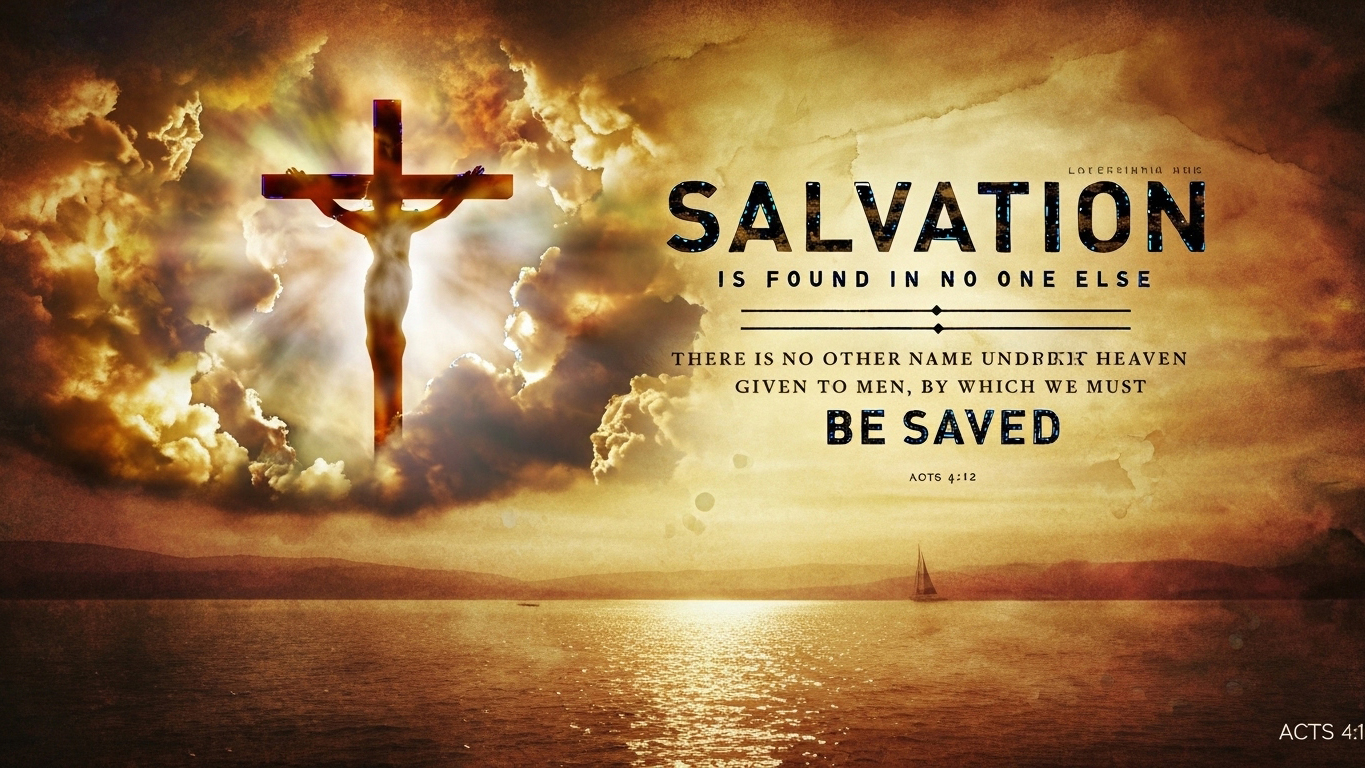
Jesus Himself made this clear when He said, “I am the way, the truth, and the life. No one comes to the Father except through Me” (John 14:6). This exclusivity troubles some people in our pluralistic age, but Christianity has always maintained that salvation comes through Christ alone. Peter proclaimed to the religious authorities of his day, “Nor is there salvation in any other, for there is no other name under heaven given among men by which we must be saved” (Acts 4:12). Faith in Jesus Christ is not one path among many, but the only path to salvation.
Genuine faith, however, cannot exist without repentance. To repent means to turn away from sin and turn toward God. It involves a change of mind that leads to a change of direction. Repentance is more than feeling sorry for sin, though godly sorrow is certainly part of it. It means recognizing that our way has been wrong and choosing God’s way instead. John the Baptist, who prepared the way for Jesus’ ministry, called people to “bear fruits worthy of repentance” (Matthew 3:8), indicating that true repentance produces visible changes in how we live.
Jesus began His public ministry with a call to repentance: “Repent, for the kingdom of heaven is at hand” (Matthew 4:17). After His resurrection, He commissioned His disciples to preach “repentance and remission of sins” in His name to all nations (Luke 24:47). Repentance is not a work we perform to earn salvation, but rather the natural response of a heart that has encountered God’s grace. It flows from faith and accompanies faith, the two working together like two sides of the same coin.
The moment someone places genuine faith in Jesus Christ and repents of their sins, salvation occurs. This is often called being “born again,” a term Jesus used when speaking with Nicodemus: “Unless one is born again, he cannot see the kingdom of God” (John 3:3). This spiritual birth brings a person from death to life, from darkness to light, from alienation to adoption. The Holy Spirit comes to dwell within the believer, marking them as God’s own possession and beginning the lifelong process of transformation into Christ’s likeness.
What Salvation Provides: The Benefits of Being Saved
Salvation is not merely escape from hell, though it certainly includes deliverance from eternal judgment. The benefits of salvation extend far beyond avoiding punishment to encompass rich blessings both in this life and in eternity. Understanding what God provides through salvation can deepen our appreciation for this magnificent gift.
First and foremost, salvation brings forgiveness of sins. The guilt that weighs down the human conscience, the shame that haunts our memories, the moral debt we could never repay—all of this is washed away through Christ’s blood. John writes, “If we confess our sins, He is faithful and just to forgive us our sins and to cleanse us from all unrighteousness” (1 John 1:9). This forgiveness is complete and permanent. God doesn’t merely overlook our sins or decide to ignore them; He removes them as far as the east is from the west (Psalm 103:12). The slate is wiped clean, and we stand before God with no condemnation.
Beyond forgiveness, salvation brings justification—a legal declaration that we are righteous in God’s sight. This doesn’t mean we suddenly become morally perfect, but rather that God credits Christ’s righteousness to our account. Paul explains, “For He made Him who knew no sin to be sin for us, that we might become the righteousness of God in Him” (2 Corinthians 5:21). This is the great exchange: our sin for His righteousness. When God looks at believers, He sees them clothed in the perfect righteousness of His Son.
Salvation also restores our relationship with God, bringing us from enmity to friendship, from slaves of sin to children of God. The Apostle John marvels, “Behold what manner of love the Father has bestowed on us, that we should be called children of God!” (1 John 3:1). This adoption into God’s family means we have access to the Father through prayer, we receive His love and care, and we inherit eternal blessings as His heirs. The Holy Spirit dwelling within us enables us to cry out “Abba, Father,” using the intimate Aramaic term that Jesus Himself used (Romans 8:15).
In this present life, salvation brings peace with God and the peace of God. No longer enemies but friends, we can approach God’s throne with confidence. The anxious striving to earn divine favor ceases, replaced by rest in Christ’s finished work. This doesn’t mean Christians never experience difficulties, suffering, or trials. Jesus promised that in this world we would have tribulation. But even in the midst of hardship, believers can experience a peace that transcends understanding, knowing that nothing can separate them from God’s love (Romans 8:38-39).
Salvation also initiates the process of sanctification—progressive transformation into Christ’s likeness. The Holy Spirit works within believers to produce spiritual fruit: love, joy, peace, patience, kindness, goodness, faithfulness, gentleness, and self-control (Galatians 5:22-23). This transformation doesn’t happen overnight, and it won’t be complete until we see Christ face to face, but it begins the moment we are saved and continues throughout our earthly lives. God is committed to completing the good work He has begun in us (Philippians 1:6).
Looking to the future, salvation promises eternal life in God’s presence. Jesus said, “In My Father’s house are many mansions; if it were not so, I would have told you. I go to prepare a place for you” (John 14:2). The Bible describes a new heaven and new earth where righteousness dwells, where there will be no more death, sorrow, crying, or pain (Revelation 21:4). Believers will receive resurrected bodies like Christ’s glorious body, and we will enjoy unbroken fellowship with God and with the redeemed from every nation, tribe, and tongue throughout eternity.
Living Out Your Salvation: The Christian Life After Being Saved
Some people mistakenly believe that once they are saved, nothing else matters. They imagine salvation as a one-time transaction that requires no further engagement or response. However, Scripture presents a very different picture. While salvation is received by faith alone and not by works, genuine faith produces a transformed life. James writes, “Faith without works is dead” (James 2:26), meaning that real faith inevitably results in changed behavior and priorities.
The Christian life is one of ongoing surrender to Christ’s lordship. Jesus called His followers to take up their cross daily and follow Him (Luke 9:23). This involves dying to selfish desires and living for God’s purposes. It means allowing the Holy Spirit to guide our decisions, shape our character, and direct our paths. While we are saved by grace through faith and not by our own efforts, those who have truly experienced God’s grace will desire to honor Him with their lives.
This transformation affects every area of existence. Relationships change as we learn to love others as Christ loved us, forgiving those who wrong us and serving those in need. Our speech changes as we put away lying, gossip, and corrupt communication, replacing these with words that encourage and build up. Our use of time and resources changes as we recognize that everything we have belongs to God and should be stewarded for His glory. Even our thought lives come under Christ’s lordship as we take every thought captive to obey Him.
Prayer and Bible study become essential practices for growing in faith. Just as physical bodies need food to grow strong, our spiritual lives need nourishment from God’s Word. The Psalmist wrote, “Your word I have hidden in my heart, that I might not sin against You” (Psalm 119:11). Regular time spent reading Scripture, meditating on its truths, and applying its teachings helps believers know God more deeply and walk more faithfully. Similarly, prayer—communicating with God—strengthens our relationship with Him and aligns our hearts with His will.
Fellowship with other believers is not optional but essential for spiritual health. The New Testament knows nothing of isolated Christianity. Believers are called to be part of the Body of Christ, the Church, where they can worship together, encourage one another, use their spiritual gifts, and hold each other accountable. Hebrews warns against “forsaking the assembling of ourselves together” (Hebrews 10:25), recognizing that we need community to thrive spiritually.
Living out salvation also involves sharing the good news with others. Jesus commissioned His followers to go into all the world and preach the gospel to every creature (Mark 16:15). This doesn’t mean everyone must become a professional evangelist or missionary, but every Christian should be ready to give an account of the hope that is within them (1 Peter 3:15). When we have truly experienced the joy of salvation, telling others about it becomes a natural overflow of gratitude.
Assurance of Salvation: Can You Know for Certain?
One of the most troubling questions for many Christians is whether they can be certain of their salvation. Doubts can creep in, especially during times of struggle or failure. Can believers have assurance that they are truly saved and will spend eternity with God?
The Bible provides strong grounds for assurance. John writes, “These things I have written to you who believe in the name of the Son of God, that you may know that you have eternal life” (1 John 5:13). Notice that John says we can “know,” not merely hope or wish, but actually know with certainty. God wants His children to have confidence in their salvation, not to live in constant fear and uncertainty.
This assurance rests primarily on God’s promises, not on our feelings or performance. When we place our faith in Christ, God promises to save us and keep us saved. Jesus declared, “I give them eternal life, and they shall never perish; neither shall anyone snatch them out of My hand” (John 10:28). Paul affirms that nothing can separate believers from God’s love (Romans 8:38-39). These promises are rock-solid foundations for confidence.
The presence of the Holy Spirit also provides assurance. Paul writes, “The Spirit Himself bears witness with our spirit that we are children of God” (Romans 8:16). When we cry out to God as our Father, when we hunger for righteousness, when we sense His presence in our lives, these are evidences of the Spirit’s work within us. The Holy Spirit is described as a seal and a deposit, guaranteeing our inheritance until we receive the fullness of salvation (Ephesians 1:13-14).
Changed lives also confirm genuine salvation. While Christians are not perfect and still struggle with sin, there should be evidence of spiritual growth and transformation. The person who claims to know Christ but lives in continual, unrepentant sin without any desire for change may need to examine whether their faith is genuine. John writes, “We know that we have passed from death to life, because we love the brethren” (1 John 3:14). Love for God and love for others are hallmarks of true conversion.
At the same time, assurance should not breed complacency. Paul warns, “Let him who thinks he stands take heed lest he fall” (1 Corinthians 10:12). We should regularly examine our hearts, making sure our faith remains genuine and active. This is not about earning salvation through constant self-examination, but about maintaining a vibrant, living relationship with Christ rather than resting on a past decision with no present reality.
Conclusion: Embracing Your Path to Eternal Life
Salvation in Christianity is God’s supreme gift to humanity—deliverance from sin, reconciliation with the Creator, and eternal life in His presence. It addresses our deepest problem and meets our greatest need. This salvation was purchased at the highest price: the blood of God’s own Son shed on the cross. It is offered freely to all who will receive it by faith, regardless of background, past sins, or present circumstances.
If you have never placed your faith in Jesus Christ, today is the day of salvation. God is calling you to turn from your sins and trust in His Son. The Bible promises, “Whoever calls on the name of the Lord shall be saved” (Romans 10:13). This decision is the most important one you will ever make, determining not only how you live in this world but where you will spend eternity.
For those who have already received Christ, may this exploration of salvation deepen your appreciation for what God has done. Let it motivate you to live wholeheartedly for Him, to share this good news with others, and to long for the day when your salvation will be complete in glory. Remember that you are secure in Christ’s hand, loved with an everlasting love, and destined for an eternity of joy in God’s presence.
Salvation is not about religion, rituals, or rules—it is about a relationship with the living God through Jesus Christ. It transforms everything, giving meaning to life, hope for the future, and the assurance that death is not the end but the doorway to everlasting joy. This is the gospel, the good news that has changed countless lives across two thousand years and still offers hope to all who believe.
The path to eternal life is open before you. Will you walk it?
Understanding the Foundation of Christian Salvation
Salvation stands at the very heart of Christian faith, representing humanity’s greatest hope and God’s most profound gift. For those seeking to understand Christianity or deepen their walk with Christ, grasping the concept of salvation is essential. This comprehensive guide will walk you through what salvation means, why we need it, how to receive it, and what it means for your eternal destiny.
At its core, salvation in Christianity refers to deliverance from sin and its consequences, culminating in eternal life with God. The word itself comes from the Latin “salvare,” meaning “to save” or “to rescue.” But what exactly are we being saved from, and how does this salvation work? These questions have occupied the minds and hearts of believers for two millennia, and the answers reveal the stunning beauty of God’s love for humanity.
The Problem: Why Humanity Needs Salvation
To understand salvation, we must first understand the problem it addresses. Christianity teaches that humanity exists in a state of separation from God due to sin. This isn’t merely about individual wrongdoings or moral failures, though those are certainly part of the picture. Sin represents a fundamental break in the relationship between the Creator and His creation, a cosmic rupture that occurred at the very dawn of human history.
The biblical narrative in the Book of Genesis describes how the first humans, Adam and Eve, lived in perfect communion with God in the Garden of Eden. This wasn’t simply a physical paradise but a state of complete harmony between the divine and human. However, when they chose to disobey God’s command, sin entered the world and fractured this relationship. The Apostle Paul explains in his letter to the Romans that “through one man sin entered the world, and death through sin, and thus death spread to all men, because all sinned” (Romans 5:12).
This theological concept, often called original sin, means that every human being born into this world inherits a sinful nature. We are not sinners because we sin; rather, we sin because we are sinners. This may seem like a harsh assessment, but Christianity holds that recognizing our sinful condition is the first step toward salvation. The prophet Isaiah wrote, “All we like sheep have gone astray; we have turned, every one, to his own way” (Isaiah 53:6). This tendency to go our own way, independent of God’s will, lies at the root of all human problems.
The consequences of sin extend far beyond moral guilt or psychological discomfort. Scripture teaches that “the wages of sin is death” (Romans 6:23). This death encompasses not only physical mortality but also spiritual death—eternal separation from God. Without intervention, every human being faces a future cut off from the source of all life, love, and goodness. This is the terrible predicament from which we need saving, and it is a problem we cannot solve on our own.
Many people throughout history have attempted to bridge this gap through various means. Some have pursued moral perfection, hoping that good deeds might outweigh bad ones. Others have engaged in religious rituals, ascetic practices, or philosophical contemplation. While these pursuits may have value, Christianity maintains that none of them can fundamentally address the problem of sin. As the prophet Jeremiah asked, “Can the Ethiopian change his skin or the leopard its spots? Neither can you do good who are accustomed to doing evil” (Jeremiah 13:23). The problem runs too deep for human solutions.
The Solution: God’s Plan of Salvation Through Jesus Christ
Here we encounter the breathtaking beauty of the Christian message. What humanity could not accomplish for itself, God accomplished for us. Salvation is not primarily about what we do for God, but about what God has done for us through Jesus Christ. This is what theologians call grace—unmerited favor, a gift we could never earn or deserve.
The Gospel, which literally means “good news,” proclaims that God Himself entered human history in the person of Jesus Christ. The Apostle John writes, “And the Word became flesh and dwelt among us” (John 1:14). Jesus was not merely a great teacher or moral example, though He was certainly both. Christians believe He was and is God incarnate—fully divine and fully human, the only person who ever lived without sin.
Jesus’ earthly ministry revealed God’s character and taught profound truths about the kingdom of heaven. He healed the sick, welcomed outcasts, challenged religious hypocrisy, and demonstrated a love that knew no bounds. But His teaching and miracles, as remarkable as they were, were not the primary purpose of His coming. Jesus came to die. This may seem strange or even morbid, but the cross stands at the absolute center of Christian salvation.
On the cross, Jesus took upon Himself the punishment that our sins deserved. The theological term for this is substitutionary atonement. Christ died in our place, as our substitute, bearing the wrath of God against sin so that we might be forgiven. Isaiah prophesied about this centuries before it happened: “But He was wounded for our transgressions, He was bruised for our iniquities; the chastisement for our peace was upon Him, and by His stripes we are healed” (Isaiah 53:5). The sinless Son of God became sin for us, experiencing the full weight of divine justice, so that we might receive divine mercy.
The crucifixion alone, however, does not complete the story. Three days after His death, Jesus rose from the dead, conquering death itself. The resurrection demonstrates that His sacrifice was accepted by the Father and that He has power over sin, death, and the grave. Paul writes, “If Christ is not risen, your faith is futile; you are still in your sins” (1 Corinthians 15:17). The resurrection validates everything Jesus claimed about Himself and guarantees that those who trust in Him will also rise to eternal life.
This divine transaction—Jesus’ death and resurrection—accomplished what no amount of human effort could achieve. It satisfied divine justice while extending divine mercy. It opened the way for sinful humanity to be reconciled to a holy God. As Paul beautifully expresses it, “God was in Christ reconciling the world to Himself, not imputing their trespasses to them” (2 Corinthians 5:19). Through Christ, the barrier of sin has been removed, and the path to God lies open.
How to Receive Salvation: Faith and Repentance
Understanding what Christ has done is essential, but salvation requires a personal response. God does not force His gift upon anyone; rather, He offers it freely to all who will receive it. The Bible describes this response in terms of faith and repentance, two inseparable aspects of turning to God.
Faith, in the Christian sense, is far more than intellectual agreement with certain facts about Jesus. Even demons believe that Jesus is the Son of God, as the Apostle James points out, yet they are not saved. Saving faith involves trust—a complete reliance on Christ alone for salvation. It means believing not just that Jesus died for sins in general, but that He died for your sins specifically. It requires entrusting your eternal destiny to Him, acknowledging that His sacrifice is sufficient and that nothing you can do could add to or improve upon what He has accomplished.
Jesus Himself made this clear when He said, “I am the way, the truth, and the life. No one comes to the Father except through Me” (John 14:6). This exclusivity troubles some people in our pluralistic age, but Christianity has always maintained that salvation comes through Christ alone. Peter proclaimed to the religious authorities of his day, “Nor is there salvation in any other, for there is no other name under heaven given among men by which we must be saved” (Acts 4:12). Faith in Jesus Christ is not one path among many, but the only path to salvation.
Genuine faith, however, cannot exist without repentance. To repent means to turn away from sin and turn toward God. It involves a change of mind that leads to a change of direction. Repentance is more than feeling sorry for sin, though godly sorrow is certainly part of it. It means recognizing that our way has been wrong and choosing God’s way instead. John the Baptist, who prepared the way for Jesus’ ministry, called people to “bear fruits worthy of repentance” (Matthew 3:8), indicating that true repentance produces visible changes in how we live.
Jesus began His public ministry with a call to repentance: “Repent, for the kingdom of heaven is at hand” (Matthew 4:17). After His resurrection, He commissioned His disciples to preach “repentance and remission of sins” in His name to all nations (Luke 24:47). Repentance is not a work we perform to earn salvation, but rather the natural response of a heart that has encountered God’s grace. It flows from faith and accompanies faith, the two working together like two sides of the same coin.
The moment someone places genuine faith in Jesus Christ and repents of their sins, salvation occurs. This is often called being “born again,” a term Jesus used when speaking with Nicodemus: “Unless one is born again, he cannot see the kingdom of God” (John 3:3). This spiritual birth brings a person from death to life, from darkness to light, from alienation to adoption. The Holy Spirit comes to dwell within the believer, marking them as God’s own possession and beginning the lifelong process of transformation into Christ’s likeness.
What Salvation Provides: The Benefits of Being Saved
Salvation is not merely escape from hell, though it certainly includes deliverance from eternal judgment. The benefits of salvation extend far beyond avoiding punishment to encompass rich blessings both in this life and in eternity. Understanding what God provides through salvation can deepen our appreciation for this magnificent gift.
First and foremost, salvation brings forgiveness of sins. The guilt that weighs down the human conscience, the shame that haunts our memories, the moral debt we could never repay—all of this is washed away through Christ’s blood. John writes, “If we confess our sins, He is faithful and just to forgive us our sins and to cleanse us from all unrighteousness” (1 John 1:9). This forgiveness is complete and permanent. God doesn’t merely overlook our sins or decide to ignore them; He removes them as far as the east is from the west (Psalm 103:12). The slate is wiped clean, and we stand before God with no condemnation.
Beyond forgiveness, salvation brings justification—a legal declaration that we are righteous in God’s sight. This doesn’t mean we suddenly become morally perfect, but rather that God credits Christ’s righteousness to our account. Paul explains, “For He made Him who knew no sin to be sin for us, that we might become the righteousness of God in Him” (2 Corinthians 5:21). This is the great exchange: our sin for His righteousness. When God looks at believers, He sees them clothed in the perfect righteousness of His Son.
Salvation also restores our relationship with God, bringing us from enmity to friendship, from slaves of sin to children of God. The Apostle John marvels, “Behold what manner of love the Father has bestowed on us, that we should be called children of God!” (1 John 3:1). This adoption into God’s family means we have access to the Father through prayer, we receive His love and care, and we inherit eternal blessings as His heirs. The Holy Spirit dwelling within us enables us to cry out “Abba, Father,” using the intimate Aramaic term that Jesus Himself used (Romans 8:15).
In this present life, salvation brings peace with God and the peace of God. No longer enemies but friends, we can approach God’s throne with confidence. The anxious striving to earn divine favor ceases, replaced by rest in Christ’s finished work. This doesn’t mean Christians never experience difficulties, suffering, or trials. Jesus promised that in this world we would have tribulation. But even in the midst of hardship, believers can experience a peace that transcends understanding, knowing that nothing can separate them from God’s love (Romans 8:38-39).
Salvation also initiates the process of sanctification—progressive transformation into Christ’s likeness. The Holy Spirit works within believers to produce spiritual fruit: love, joy, peace, patience, kindness, goodness, faithfulness, gentleness, and self-control (Galatians 5:22-23). This transformation doesn’t happen overnight, and it won’t be complete until we see Christ face to face, but it begins the moment we are saved and continues throughout our earthly lives. God is committed to completing the good work He has begun in us (Philippians 1:6).
Looking to the future, salvation promises eternal life in God’s presence. Jesus said, “In My Father’s house are many mansions; if it were not so, I would have told you. I go to prepare a place for you” (John 14:2). The Bible describes a new heaven and new earth where righteousness dwells, where there will be no more death, sorrow, crying, or pain (Revelation 21:4). Believers will receive resurrected bodies like Christ’s glorious body, and we will enjoy unbroken fellowship with God and with the redeemed from every nation, tribe, and tongue throughout eternity.
Living Out Your Salvation: The Christian Life After Being Saved
Some people mistakenly believe that once they are saved, nothing else matters. They imagine salvation as a one-time transaction that requires no further engagement or response. However, Scripture presents a very different picture. While salvation is received by faith alone and not by works, genuine faith produces a transformed life. James writes, “Faith without works is dead” (James 2:26), meaning that real faith inevitably results in changed behavior and priorities.
The Christian life is one of ongoing surrender to Christ’s lordship. Jesus called His followers to take up their cross daily and follow Him (Luke 9:23). This involves dying to selfish desires and living for God’s purposes. It means allowing the Holy Spirit to guide our decisions, shape our character, and direct our paths. While we are saved by grace through faith and not by our own efforts, those who have truly experienced God’s grace will desire to honor Him with their lives.
This transformation affects every area of existence. Relationships change as we learn to love others as Christ loved us, forgiving those who wrong us and serving those in need. Our speech changes as we put away lying, gossip, and corrupt communication, replacing these with words that encourage and build up. Our use of time and resources changes as we recognize that everything we have belongs to God and should be stewarded for His glory. Even our thought lives come under Christ’s lordship as we take every thought captive to obey Him.
Prayer and Bible study become essential practices for growing in faith. Just as physical bodies need food to grow strong, our spiritual lives need nourishment from God’s Word. The Psalmist wrote, “Your word I have hidden in my heart, that I might not sin against You” (Psalm 119:11). Regular time spent reading Scripture, meditating on its truths, and applying its teachings helps believers know God more deeply and walk more faithfully. Similarly, prayer—communicating with God—strengthens our relationship with Him and aligns our hearts with His will.
Fellowship with other believers is not optional but essential for spiritual health. The New Testament knows nothing of isolated Christianity. Believers are called to be part of the Body of Christ, the Church, where they can worship together, encourage one another, use their spiritual gifts, and hold each other accountable. Hebrews warns against “forsaking the assembling of ourselves together” (Hebrews 10:25), recognizing that we need community to thrive spiritually.
Living out salvation also involves sharing the good news with others. Jesus commissioned His followers to go into all the world and preach the gospel to every creature (Mark 16:15). This doesn’t mean everyone must become a professional evangelist or missionary, but every Christian should be ready to give an account of the hope that is within them (1 Peter 3:15). When we have truly experienced the joy of salvation, telling others about it becomes a natural overflow of gratitude.
Assurance of Salvation: Can You Know for Certain?
One of the most troubling questions for many Christians is whether they can be certain of their salvation. Doubts can creep in, especially during times of struggle or failure. Can believers have assurance that they are truly saved and will spend eternity with God?
The Bible provides strong grounds for assurance. John writes, “These things I have written to you who believe in the name of the Son of God, that you may know that you have eternal life” (1 John 5:13). Notice that John says we can “know,” not merely hope or wish, but actually know with certainty. God wants His children to have confidence in their salvation, not to live in constant fear and uncertainty.
This assurance rests primarily on God’s promises, not on our feelings or performance. When we place our faith in Christ, God promises to save us and keep us saved. Jesus declared, “I give them eternal life, and they shall never perish; neither shall anyone snatch them out of My hand” (John 10:28). Paul affirms that nothing can separate believers from God’s love (Romans 8:38-39). These promises are rock-solid foundations for confidence.
The presence of the Holy Spirit also provides assurance. Paul writes, “The Spirit Himself bears witness with our spirit that we are children of God” (Romans 8:16). When we cry out to God as our Father, when we hunger for righteousness, when we sense His presence in our lives, these are evidences of the Spirit’s work within us. The Holy Spirit is described as a seal and a deposit, guaranteeing our inheritance until we receive the fullness of salvation (Ephesians 1:13-14).
Changed lives also confirm genuine salvation. While Christians are not perfect and still struggle with sin, there should be evidence of spiritual growth and transformation. The person who claims to know Christ but lives in continual, unrepentant sin without any desire for change may need to examine whether their faith is genuine. John writes, “We know that we have passed from death to life, because we love the brethren” (1 John 3:14). Love for God and love for others are hallmarks of true conversion.
At the same time, assurance should not breed complacency. Paul warns, “Let him who thinks he stands take heed lest he fall” (1 Corinthians 10:12). We should regularly examine our hearts, making sure our faith remains genuine and active. This is not about earning salvation through constant self-examination, but about maintaining a vibrant, living relationship with Christ rather than resting on a past decision with no present reality.
Conclusion: Embracing Your Path to Eternal Life
Salvation in Christianity is God’s supreme gift to humanity—deliverance from sin, reconciliation with the Creator, and eternal life in His presence. It addresses our deepest problem and meets our greatest need. This salvation was purchased at the highest price: the blood of God’s own Son shed on the cross. It is offered freely to all who will receive it by faith, regardless of background, past sins, or present circumstances.
If you have never placed your faith in Jesus Christ, today is the day of salvation. God is calling you to turn from your sins and trust in His Son. The Bible promises, “Whoever calls on the name of the Lord shall be saved” (Romans 10:13). This decision is the most important one you will ever make, determining not only how you live in this world but where you will spend eternity.
For those who have already received Christ, may this exploration of salvation deepen your appreciation for what God has done. Let it motivate you to live wholeheartedly for Him, to share this good news with others, and to long for the day when your salvation will be complete in glory. Remember that you are secure in Christ’s hand, loved with an everlasting love, and destined for an eternity of joy in God’s presence.
Salvation is not about religion, rituals, or rules—it is about a relationship with the living God through Jesus Christ. It transforms everything, giving meaning to life, hope for the future, and the assurance that death is not the end but the doorway to everlasting joy. This is the gospel, the good news that has changed countless lives across two thousand years and still offers hope to all who believe.
The path to eternal life is open before you. Will you walk it?
PRAYER OF SALVATION
Prayer of Salvation
“Heavenly Father,
I come before You today in humility, acknowledging that I am a sinner and that my sins have separated me from You. I confess that I cannot save myself through my own works, goodness, or efforts. I need a Savior.
I believe that Jesus Christ is Your Son, who came into this world, was born of the Virgin Mary, and lived a sinless life. I believe that He died on the cross for my sins, bearing the punishment that I deserved. I believe that He rose from the dead on the third day and conquered death, sin, and hell.
Lord Jesus, I turn away from my sins. I repent of having lived selfishly and in rebellion against You. I want to change and live for You.
I receive You as my personal Savior and Lord. I ask that You come into my heart and life. Cleanse me from my sins by Your blood. Give me the eternal life that You have promised to all who believe in You.
Thank You, Jesus, for dying for me. Thank You for loving me so greatly. I believe that from this moment forward, I belong to You. I make You the Lord of my life and promise to follow You all my days.
Help me to grow in faith, to learn Your Word, and to live in a way that honors You. Send me the Holy Spirit to guide me, teach me, and transform me into Your likeness.
In Jesus’ name I pray. Amen.”
What’s Next After Praying?
If you prayed this prayer with a sincere heart, you have become a new creation in Christ! The Bible teaches: “Therefore, if anyone is in Christ, he is a new creation; old things have passed away; behold, all things have become new!” (2 Corinthians 5:17)
Your next steps in the Christian life:
1. Tell someone about your decision.
Jesus taught: “Whoever confesses Me before men, him I will also confess before My Father who is in heaven” (Matthew 10:32). Tell a friend, family member, or spiritual leader about your new faith.
2. Find a local church.
Christians are called to be part of the Body of Christ, the Church. Find a church that teaches the Bible and where you can grow in faith together with other believers.
3. Begin reading the Bible.
Start with the Gospel of John to get to know Jesus better. God’s Word nourishes your soul and helps you grow spiritually.
4. Pray every day.
Talk to God as a friend. Thank Him, ask for help, share your thoughts and concerns. Prayer is your connection with your Heavenly Father.
5. Be baptized.
Baptism is a public testimony of your faith in Christ and obedience to His command. It symbolizes the death of your old life and the beginning of your new life.
6. Share your faith with others.
If God has done something wonderful in your life, don’t keep it a secret! Tell others what Christ has done for you.
Welcome to God’s family! Your journey with eternal life has begun today.
SCRIPTURE REFERENCES
About Salvation:
- Romans 3:23 – “For all have sinned”
- Romans 6:23 – “For the wages of sin is death, but the gift of God is eternal life”
- Romans 10:9-10 – “If you confess with your mouth the Lord Jesus and believe in your heart…”
- Romans 10:13 – “Whoever calls on the name of the Lord shall be saved”
- John 3:16 – “For God so loved the world…”
- Ephesians 2:8-9 – “For by grace you have been saved through faith”
About New Life:
- 2 Corinthians 5:17 – “New creation in Christ”
- John 1:12 – “To become children of God”
- 1 John 5:13 – “That you may know that you have eternal life”
YOUR SPIRITUAL BIRTHDAY
Date: ___________________________
Signature: ___________________________
(You may wish to record the date when you received Jesus Christ as your Savior – this is your spiritual birthday!)

Trough all this I want to declare this is all from God and to God. All Glory to Him!