Views: 41
Kristuse Taevaminemispüha Õigeusus 2026: Kuidas Tähistatakse Kristuse Taevaminemist Apostlik-Õigeusu Kirikus – Traditsioonid, Jumalik Liturgia, Sügav Tähendus ja Erinevused Läänekirikust
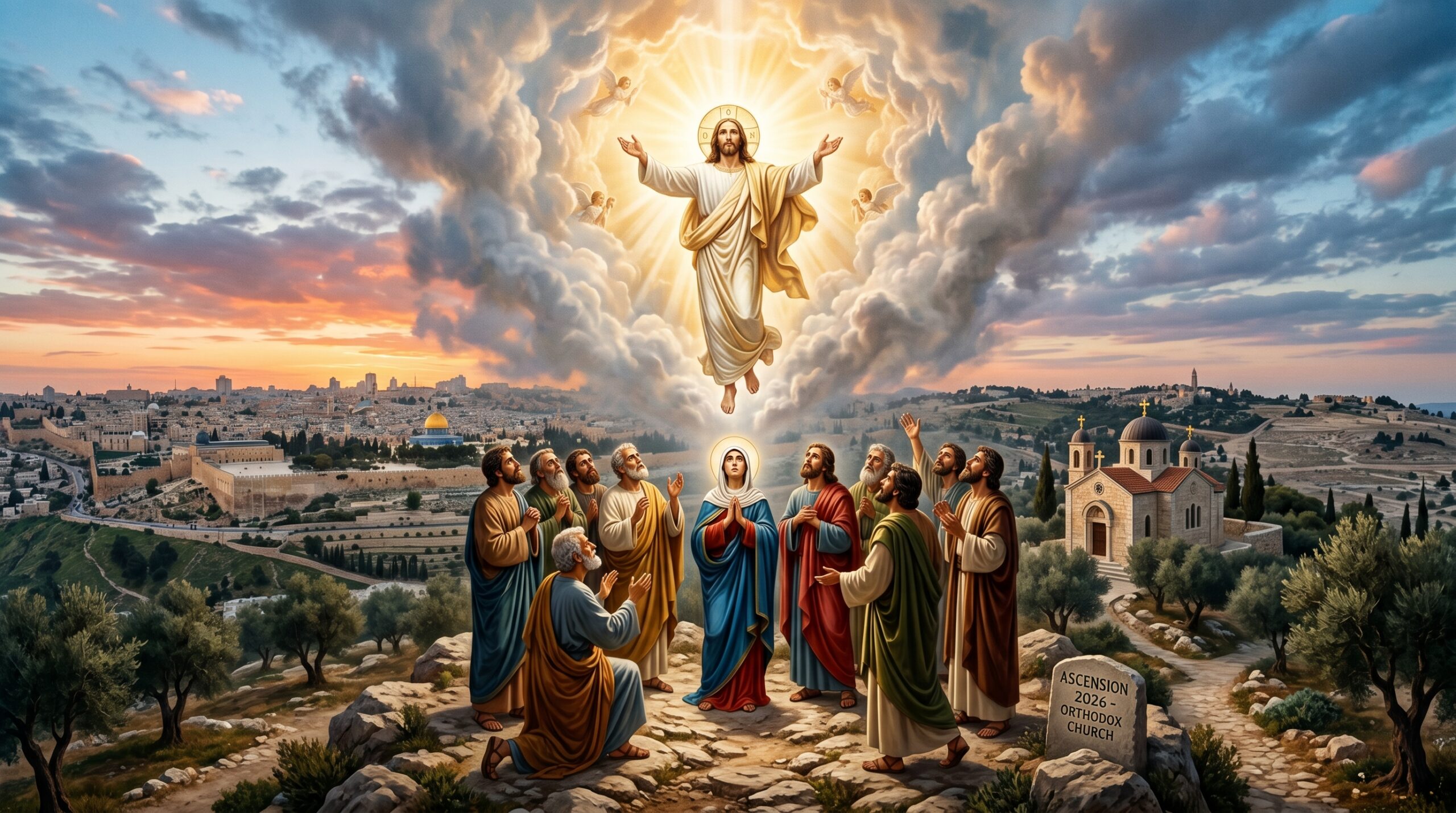
Kristuse Taevaminemispüha on üks õigeusu kiriku kaheteistkümnest suurest pühast, mida tähistatakse täpselt nelikümmend päeva pärast ülestõusmispüha. Aastal 2026 langeb see neljapäevale, 21. maile. Eesti Apostlik-Õigeusu Kirikus ja kogu maailma õigeusu kogudustes tähistatakse seda rõõmsa ja piduliku meeleoluga, sest see märkib ülestõusnud Kristuse triumfirohket naasmist Taevaisa juurde ning inimloomuse ülendamist.
Taevaminemine ei ole pelgalt ajalooline sündmus ega Kristuse maise tegevuse lõpp. See on kogu jumaliku päästeplaaninõude täitumine. Oma taevaminemisega tõstab Kristus üles langenud inimloomuse, avab inimkonnale taevaväravad ja valmistab teed Püha Vaimu tulekuks nelipühal.
Taevaminemise teoloogiline tuum ja sügav tähendus
Taevaminemise teoloogiline süda seisneb selles, et Kristus tõusis taevasse oma ülendatud inimkehaga. Ta ei jäta inimkonda maha, vaid ülendab selle Isa paremale käele. Püha Leo Suur väljendas seda saladust oma jutlustes ilmekalt:
„Meie vaene inimloomus viidi Kristuses üles kõigist taeva vägedest kõrgemale … otse Jumal-Isa troonini.“
See sündmus pöörab tagasi langemise tragöödia. Kui esimene Aadam heideti Paradiisist välja, siis uus Aadam – Kristus – siseneb taevasesse pühamusse, viies endaga kaasa meie loomuse. Püha Augustinus lisas sügava mõtte:
„Keegi ei ole taevasse läinud peale Kristuse, sest meiegi oleme Kristus: tema on Inimese Poeg meiega ühendatuse läbi ja meie tema ühendatuse läbi.“
Õigeusu teoloogias on taevaminemine kosmiline ja eschatoloogiline. See ilmutab:
- Inimese kui Jumala näo järgi loodu täielikku väärikust
- Loomingu saatust – ühendust Jumalaga
- Tagatist meie tulevase ülestõusmise ja ülendamise kohta
- Kristuse igavese ülempreesterliku eestkostmise algust Kiriku eest
Püha kutsub usklikke elama „taevase meelsusega“ – seadma oma meele taevastele asjadele (Kl 3:2), olles samal ajal aktiivsed siin maailmas.
Kuidas taevaminemispüha õigeusu kirikus tähistatakse
Taevaminemise tähistamine on rikas, pidulik ja sügavalt liturgiline.
Ettevalmistus ja eelõhtu (kolmapäeva õhtu):
- Koguöine teenistus (õhtuteenistus litiaga + hommikuteenistus)
- Erilised hümnid ning lugemised Apostlite tegudest ja evangeeliumidest
- Kirik on kaunistatud lillede ja roheliste okstega, mis sümboliseerivad rõõmu ja ülestõusnud Kristuse eluandvat jõudu
Püha päeval (Jumalik Liturgia):
- Pidulikud antifoonid psalmidest 47, 48 ja 49
- Eriline troparion: „Sa tõusid taevasse auhiilguses, Kristus meie Jumal, rõõmustades oma jüngreid tõotusega saata neile Püha Vaim…“
- Lugemised Apostlite tegudest (1:1–12) ja evangeeliumist
- Püha Johannes Damaskuse hümnid
- Leiva, nisu, veini ja õli õnnistamine liturgia järel
Liturgia järel:
- Ristirongkäigud mõnedes kogudustes
- Ühised agape-õhtusöögid ja osadus
- Õpetlikud vestlused lastele ja katehheeteile
Eesti Apostlik-Õigeusu Kirikus järgitakse vana Bütsantsi liturgilist traditsiooni, lisades kohalikke eesti elemente. Lauldakse hümne nii kirikuslaavi kui eesti keeles, toimuvad ikoonirongkäigud ning rõhutatakse Jumalaema rolli.
Peamised erinevused läänekristlikest traditsioonidest
Õigeusu taevaminemispüha erineb lääne traditsioonidest mitmel olulisel viisil:
- Liturgiline auaste — õigeusus kuulub see kaheteistkümne suure püha hulka täieliku ettevalmistus- ja järelperioodiga. Mõnes protestantlikus traditsioonis on püha tähtsus väike või see puudub kalendrist täielikult.
- Teoloogiline rõhuasetus — õigeusu rõhutab tugevalt inimloomuse ülendamist ja tegelikku osadust jumaliku eluga (theosis). Läänes keskendutakse enam Kristuse issandlikkusele või ajaloolisele lahkumisele.
- Müstiline vs ratsionaalne lähenemine — õigeusu liturgia, hümnoloogia ja ikoonimaal omavad terviklikku müstilist mõõdet. Paljud lääne teenistused kalduvad doktrinaalse seletuse või moraalse rakenduse poole.
- Seos nelipühaga — õigeusus on taevaminemine ja nelipüha tihedalt seotud. Mõnes lääne kalendris käsitletakse neid eraldi.
- Keha taevaminemine — õigeusu teoloogia ja ikoonid rõhutavad Kristuse füüsilist, kehalist taevaminemist, viies ülendatud inimloomuse taevasse.
Püha Johannes Kuldsuu rõhutas müstilist realismi, õpetades, et taevaminemisega tõstis Kristus meid enda üles ja asetas taevastesse paigutesse (vrd Ef 2:6).
Praktiline tähendus tänapäeva usklikele
Taevaminemine pakub võimsaid õppetunde tänapäeva eluks. See julgustab lootust maiste raskuste keskel, kutsub materiaalsetest muredest lahtiütlemisele, kutsub aktiivselt osalema Kiriku elus ning annab kindlustunde, et Kristus eestkostab meie eest taevas.
Aastal 2026 tähistab Eesti Apostlik-Õigeusu Kirik taevaminemist sama ajatut sõnumit kuulutades: Kristus ei ole maailma maha jätnud. Ta on läinud meile kohta valmistama ja jääb meiega Püha Vaimu, sakramentide ja Kiriku kaudu kuni ajastu lõpuni.
Taevaminemine on lõppkokkuvõttes kutse tõusmiseks. Nii nagu Kristus tõusis auhiilguses, on iga kristlane kutsutud tõusma iga päev palve, meeleparanduse, armastuse ja sakramentaalse elu kaudu. „Kristus on tõusnud taevasse!“ ei ole vaid liturgiline tervitus, vaid isiklik kutse elada taevase perspektiiviga, töötades samal ajal maa peal.
See suur saladus tuletab meile meelde, et meie tõeline kodu on Isa majas. Ülendatud Kristuse kaudu on inimkond saanud oma kõrgeima au ja suurima lootuse.

Trough all this I want to declare this is all from God and to God. All Glory to Him!
- Õigeusu Palve, paast ja usk: õigeusu tee deemonite väljaajamiseks - 8. okt. 2026
- Kreeka õigeusu rist – tähendus, sümboolika ja kristlik traditsioon - 6. okt. 2026
- Kreeka õigeusu mungad – elu, usk, palve ja kloostrid - 6. okt. 2026