Views: 41
Lion of the Tribe of Judah and the Lamb of God: Biblical Meaning, Prophecy, and Message for Today
The Prophetic Dual Image of Jesus – First and Second Coming
The Lion of the tribe of Judah and the Lamb of God form one of the deepest and most prophetic paradoxes in all of Holy Scripture. In the Book of Revelation, this revelation stands before the heavenly throne: “But one of the elders said to me, ‘Do not weep. Behold, the Lion of the tribe of Judah, the Root of David, has prevailed to open the scroll and to loose its seven seals.’” (Revelation 5:5, NKJV). Yet immediately it continues: “And I looked, and behold, in the midst of the throne and of the four living creatures, and in the midst of the elders, stood a Lamb as though it had been slain, having seven horns and seven eyes…” (Revelation 5:6, NKJV).
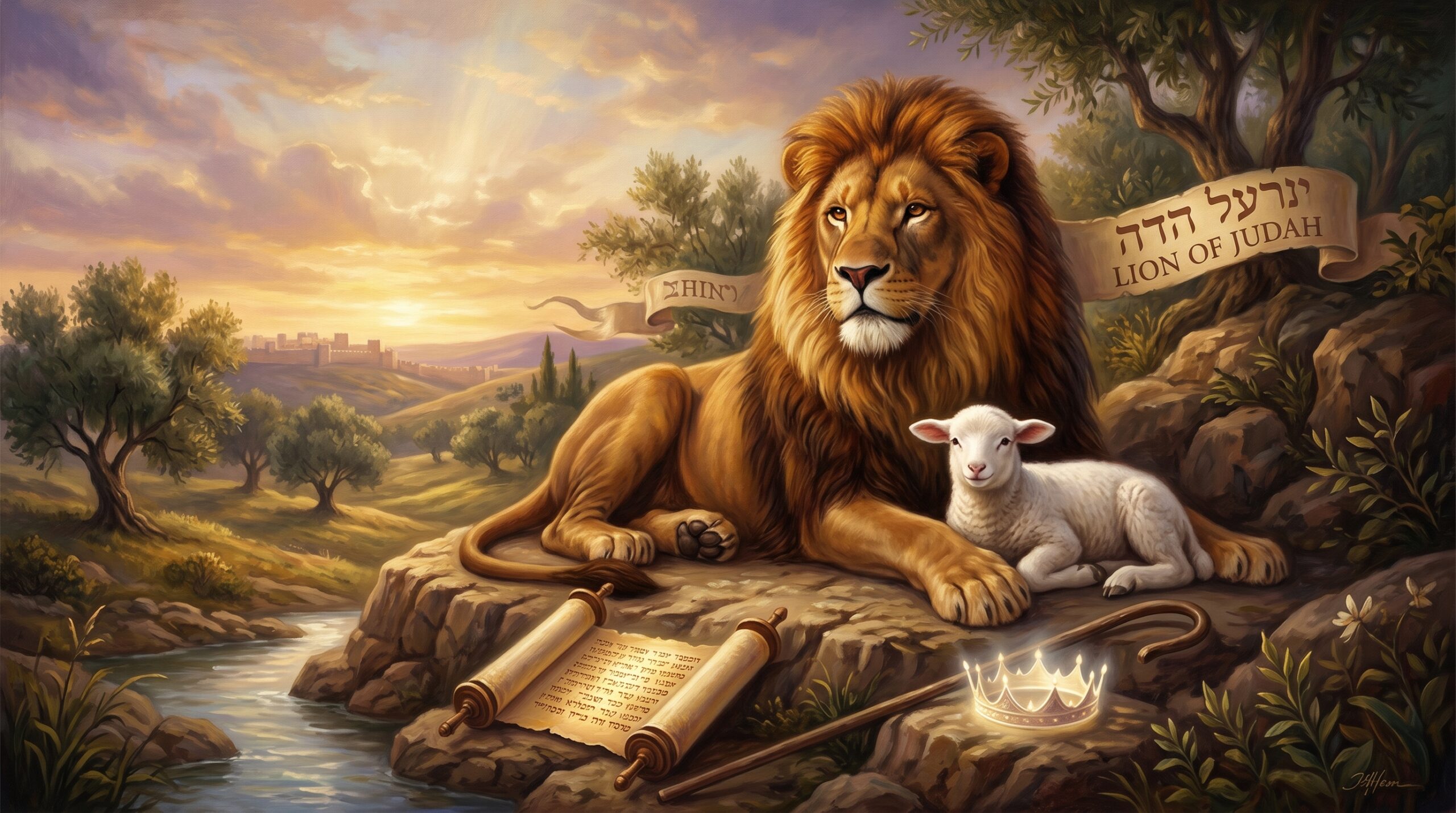
This is no coincidence. According to Orthodox theology, it reveals the full mystery of Jesus Christ: He came in His first coming as the humble Lamb of God to sacrifice Himself for the sins of the world, and He will come in His second coming as the mighty Lion of the tribe of Judah — the King of kings and Lord of lords — to bring history to its close, execute judgment, and create a new heaven and a new earth. This dual image is the prophetic key that unites the Old and New Testaments, the sacrificial cross and the final victory, grace and justice. In today’s world, which longs for strong leadership yet fears humility, this calls us to deep repentance and living hope.
Biblical Prophecy: The Mystery of the Tribe of Judah in the Old Testament
Already in the time of the patriarchs, this mystery was proclaimed. Jacob blessed his sons on his deathbed and turned to Judah with a prophetic utterance: “Judah is a lion’s whelp; from the prey, my son, you have gone up. He bows down, he lies down as a lion; and as a lion, who shall rouse him? The scepter shall not depart from Judah, nor a lawgiver from between his feet, until Shiloh comes; and to Him shall be the obedience of the people.” (Genesis 49:9-10, NKJV). This was not merely a tribal blessing — it was a messianic prophecy pointing to the eternal King from the line of Judah, a descendant of David.
The prophets expanded this image. Hosea describes God’s return in lion-like power: “They shall walk after the Lord. He will roar like a lion…” (Hosea 11:10). Isaiah’s Song of the Suffering Servant, however, paints the image of the Lamb: “He was oppressed and He was afflicted, yet He opened not His mouth; He was led as a lamb to the slaughter, and as a sheep before its shearers is silent, so He opened not His mouth.” (Isaiah 53:7, NKJV). These two images — Lion and Lamb — meet perfectly in Jesus Christ.
In the New Testament, John the Baptist declares: “The next day John saw Jesus coming toward him, and said, ‘Behold! The Lamb of God who takes away the sin of the world!’” (John 1:29, NKJV). This directly refers to the Passover lamb (Exodus 12) and the sin offerings, all of which pointed forward to the coming Messiah. Jesus fulfilled these prophecies completely: He came in His first coming with the humility of the Lamb to take our sins upon Himself on the cross.
The Deep Prophetic Revelation in the Book of Revelation: Victory Through Sacrifice
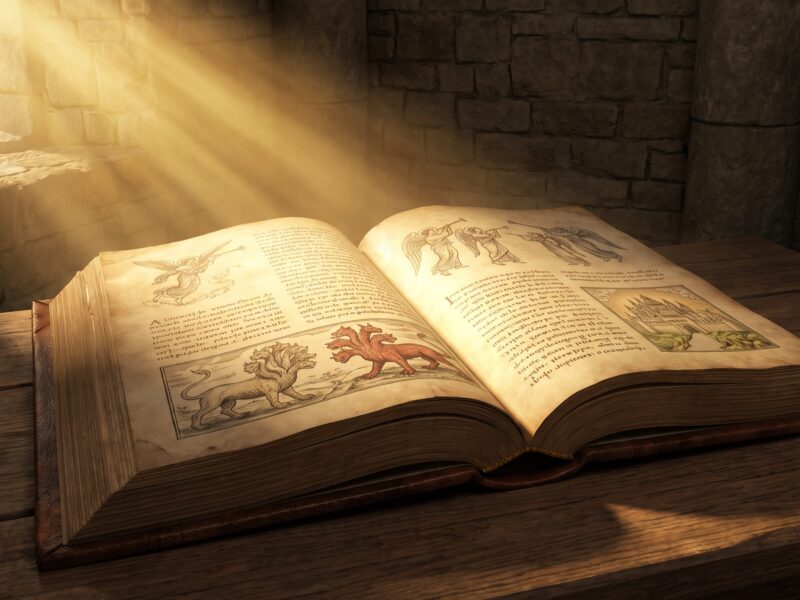
The Book of Revelation is a prophetic book that unveils the mysteries of the end times. In chapter 5, John weeps because no one is worthy to open the scroll of destiny. Then comes the announcement of the Lion — yet what appears is a Lamb that had been slain but now stands alive. This is the prophetic paradox: Christ conquers precisely through His sacrifice. The first coming was the Lamb’s offering — the cross and death. The second coming is the Lion’s triumph — resurrection, ascension, and final victory.
Orthodox theology emphasizes that these are not two different Jesuses, but one and the same Person in two natures — fully God and fully man. In the first coming, He came as a Lamb to redeem; in the second coming, He comes as a Lion to reign. Revelation continues this motif: “These will make war with the Lamb, and the Lamb will overcome them, for He is Lord of lords and King of kings…” (Revelation 17:14, NKJV). The Lion does not come to destroy out of hatred, but to fulfill justice.
The Church Fathers saw profound wisdom in this. Saint John Chrysostom stressed that the cross was not defeat but victory. Saint Irenaeus of Lyons (2nd century) connected the Old Testament prophecies to Christ as the New Adam, who conquers sin through obedience and sacrifice. Saint Athanasius the Great taught that the Word of God became flesh so that our mortality might become immortality — the Lamb makes the Lion’s victory possible.
Orthodox Theology: Theosis Through the Lion and the Lamb
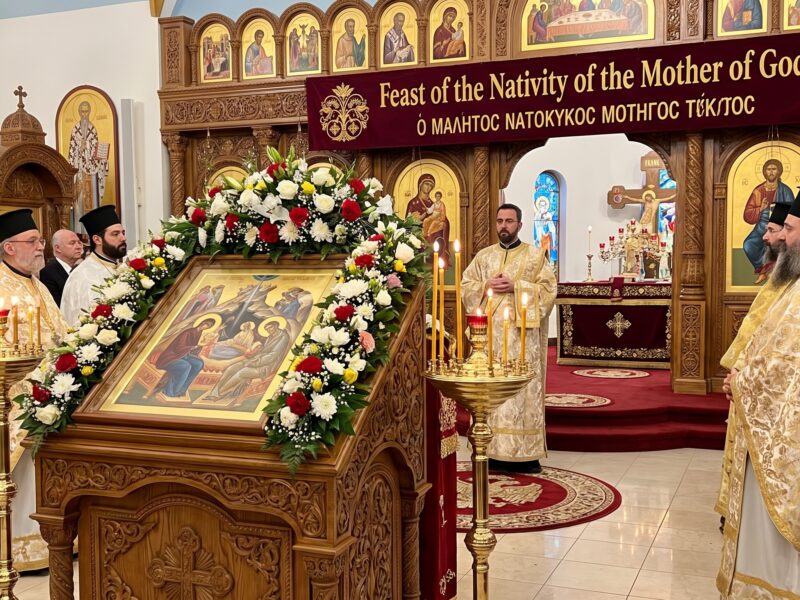
From the Orthodox perspective, this dual image is the path to theosis — deification. We participate in Christ’s life through the sacraments, especially the Eucharist, where we partake of the slain yet living Lamb. In the liturgy, we repeatedly cry out “Lamb of God” while at the same time worshiping Christ as King. This balance protects us from both liberalism (grace alone) and legalism (power alone).
Prophetically, it prepares us for Jesus’ second coming. The first coming was in grace and humility; the second will be in glory and judgment. As Revelation warns, the time is short. In today’s turmoil — wars, moral decline, environmental crises — this message brings hope: the Lion has already conquered, yet He waits for our repentance.
Expanding the prophetic thought: just as Jacob’s prophecy was fulfilled in Jesus’ first coming, it will be completely fulfilled in the second. Ancient sources (such as Josephus, early Christian writings) and historical evidence confirm Jesus’ life, death, and resurrection as facts. This is not myth, but living truth that transforms everyone who believes.
Practical and Prophetic Application for Today
How do we live according to this dual image? Practice the humility of the Lamb in daily life — forgive, serve, and sacrifice. Exercise the courage of the Lion — defend truth and stand for justice. The Apostles’ Fast (June 8–28, 2026) is an excellent time for this: abstinence strengthens the spiritual Lion and purifies the innocence of the Lamb.
Revelation calls us: “Behold, I am coming quickly!” (Revelation 22:7, NKJV). Let us be ready to meet Him both as the beloved Lamb and as the judging Lion. This prophetic message urges immediate repentance, prayer, and love.
Conclusion: The Eternal Mystery That Saves
The Lion of the tribe of Judah and the Lamb of God represent the complete revelation of Jesus Christ — the Sacrifice in His first coming and the Victor in His second. This prophetic dual image gives hope, strength, and direction. As the Church Fathers testified and Scripture proclaims, He has already conquered. May this mystery be the anchor of your life: believe in the redemption of the Lamb and live in the victory of the Lion!

Trough all this I want to declare this is all from God and to God. All Glory to Him!