Views: 95
Mount Athos: The Holy Mountain Where Byzantine Monks Still Live Like in the 10th–15th Century – Deep Historical and Spiritual Analysis
Mount Athos (Greek: Hagion Oros or Agion Oros), also known as the Holy Mountain, is one of the most unique and mystical places in Europe and the entire Christian world. This autonomous monastic republic is located on the Athos peninsula in Chalkidiki, northern Greece, on the Aegean Sea. It has been a UNESCO World Heritage Site since 1988.
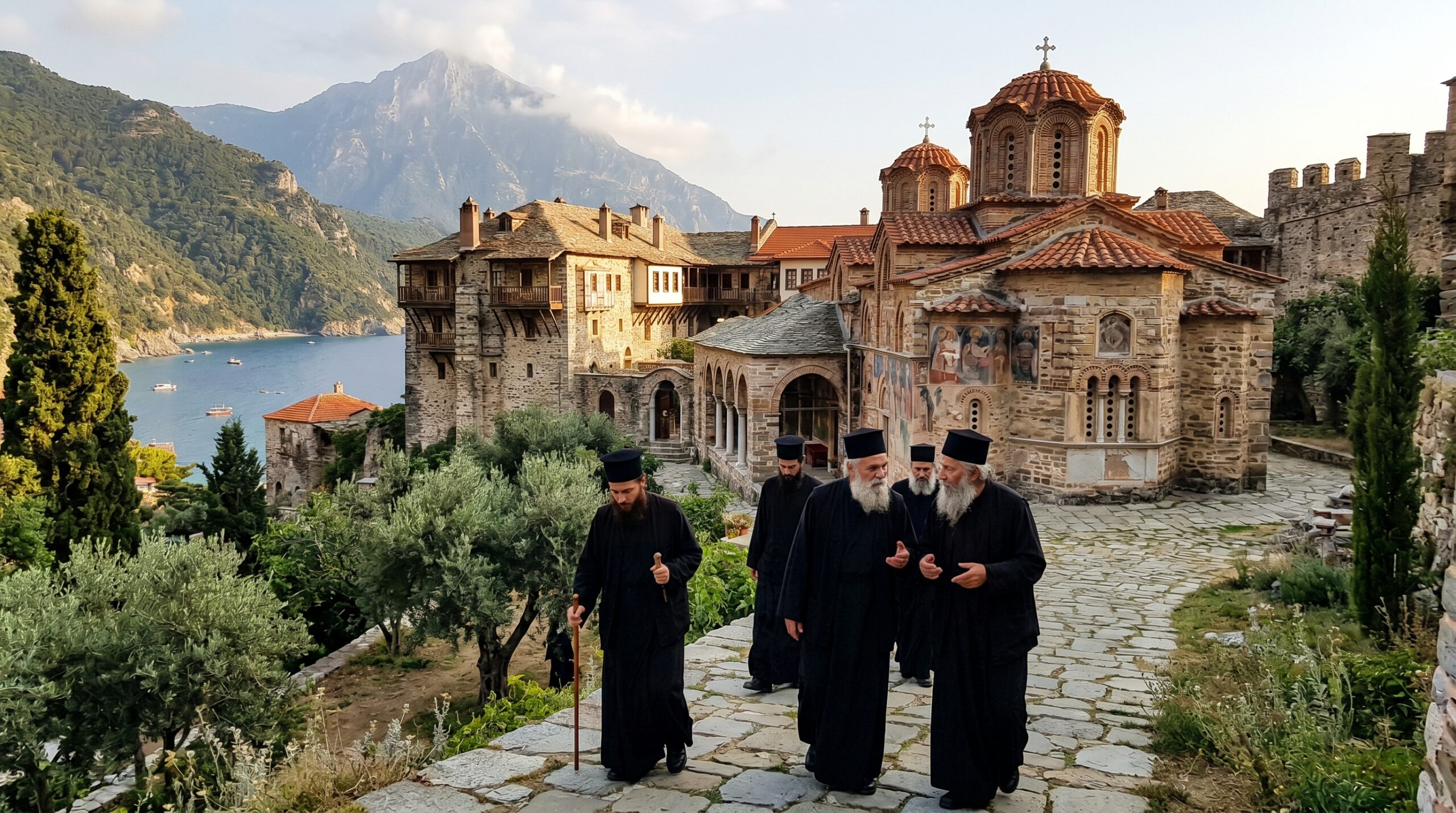
Today, approximately 1,400–2,000 Eastern Orthodox monks continue to live here in a way that has remained almost unchanged since the golden age of the Byzantine Empire (10th–15th centuries). It is a living museum where time seems to stand still: the liturgical calendar, daily rhythm, architecture, and spiritual life all follow ancient Byzantine traditions centered on unceasing prayer, asceticism, and the pursuit of union with God.
Why Mount Athos Matters in the Modern World
Mount Athos offers a rare glimpse into early Christian and Byzantine monasticism that has survived intact through Ottoman rule, wars, and the pressures of modernity. This article provides a comprehensive analysis of its history, biblical foundations, teachings of the Church Fathers, daily monastic life, artistic and archaeological heritage, and its profound spiritual significance today.
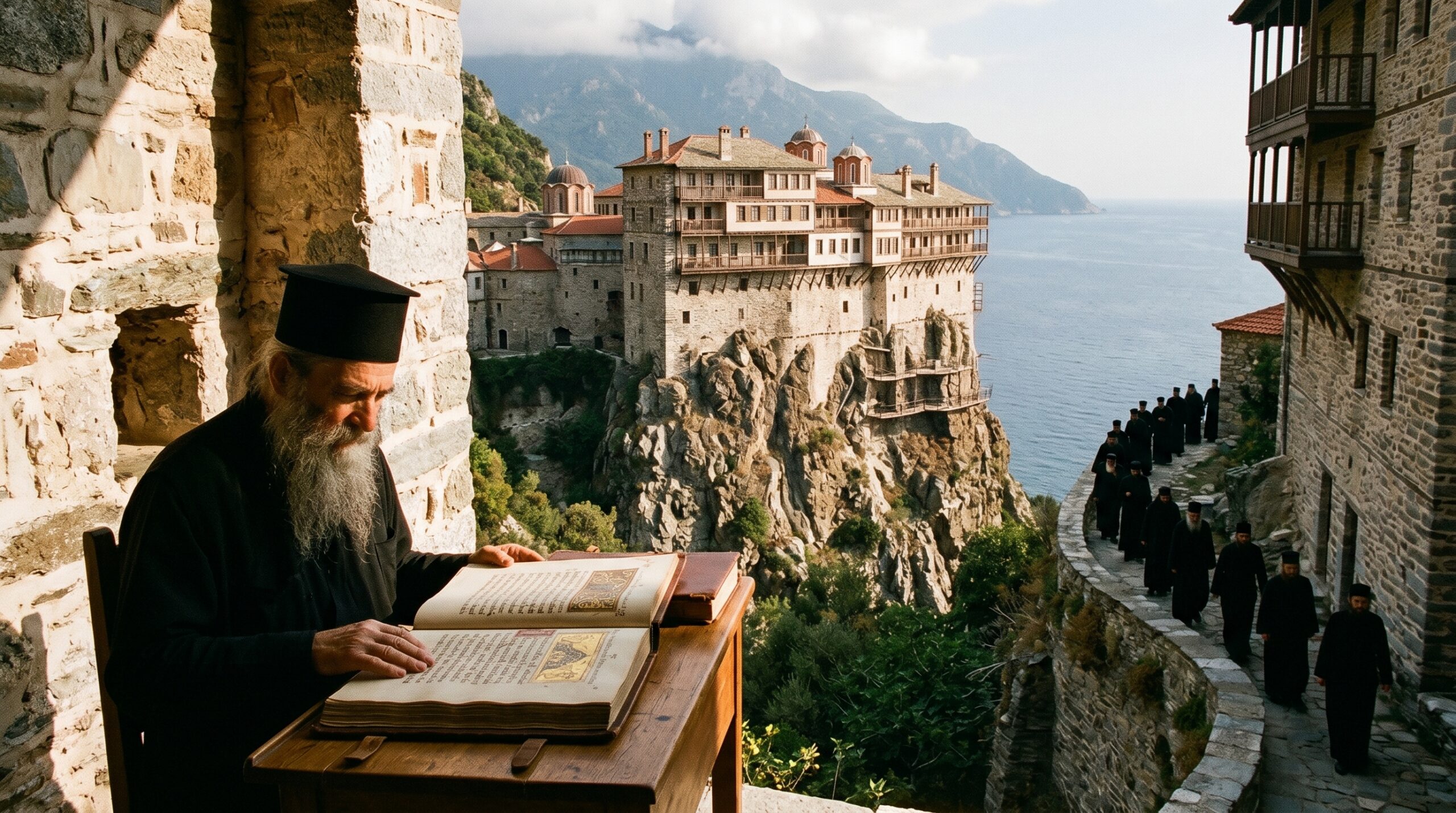
Historical Background: The Preservation of Byzantine Heritage
The Christian history of the Holy Mountain dates back to at least the 9th century, when the first hermits settled there. Even in antiquity, the peninsula was known for its isolation — stretching about 50 km into the sea.
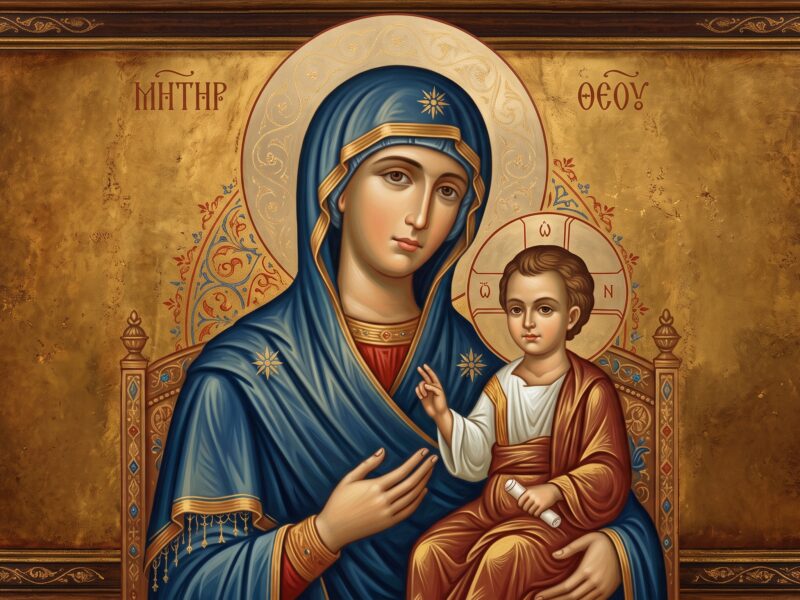
According to legend, the Virgin Mary visited Athos on her way to Cyprus and declared it her personal garden. This gave rise to the avaton rule — a strict prohibition on women and female animals entering the peninsula.
The decisive milestone came in 963 AD, when St. Athanasius the Athonite founded the first major monastery, Megisti Lavra (Great Lavra), with the support of Byzantine Emperor Nikephoros II Phokas. This marked the transition from scattered hermitic life to organized cenobitic (communal) monasteries.
By the 11th century, there were already 46 monasteries on the mountain, attracting monks from across Europe, including Georgia, Russia, Bulgaria, and Serbia. Byzantine emperors granted special privileges, and after the Great Schism of 1054, Athos became the spiritual heart of Orthodoxy.
During the Palaiologos dynasty (13th–15th centuries), art and theology flourished. Under Ottoman rule (15th–20th centuries), the mountain retained its autonomy, though it faced economic hardship.
Today, Mount Athos consists of 20 ruling monasteries:
- 17 Greek
- 1 Russian (St. Panteleimon)
- 1 Serbian (Chilandar)
- 1 Bulgarian (Zographou)
In addition, there are sketes (smaller monastic settlements), kellia (monastic houses), and hermits living in caves on the cliffs.
Archaeological and Artistic Treasures
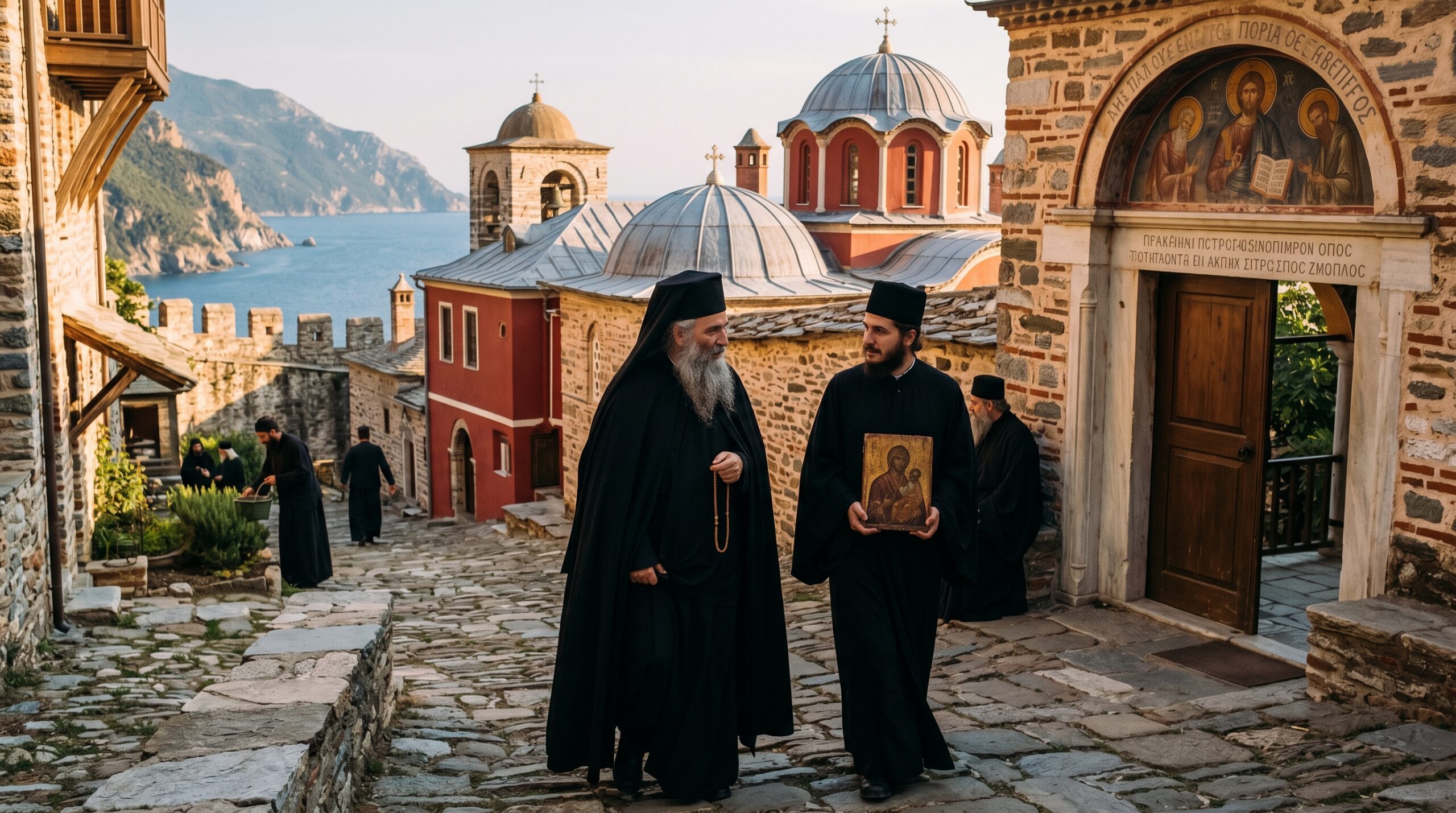
Mount Athos is a true treasure trove of Byzantine art and history. Significant finds include 10th–11th century lead seals (sigillia) from Vatopedi Monastery confirming early contacts with the Patriarchate of Constantinople. The frescoes in the Protaton Church in Karyes (ca. 1290, by Manuel Panselinos) represent the pinnacle of the Macedonian School of painting.
The monasteries preserve thousands of ancient manuscripts, icons, liturgical vessels, and mosaics. Many have been digitized, demonstrating an unbroken tradition from Byzantine times to the present.
Biblical Foundations of Monastic Life and Asceticism
Christian monasticism is deeply rooted in Scripture. Jesus Himself provided the model:
- “Very early in the morning, while it was still dark, Jesus got up, left the house and went off to a solitary place, where he prayed.” (Mark 1:35)
- “Jesus went out to a mountainside to pray, and spent the night praying to God.” (Luke 6:12)
Old Testament examples include Prophet Elijah in the desert and John the Baptist. The practice of hesychasm (prayer of the heart) practiced on Athos is based on Psalm 46:10 — “Be still and know that I am God.”
The ultimate goal is theosis — deification, or union with God.
Teachings of the Church Fathers and Athos Tradition
- St. Anthony the Great (251–356), father of desert monasticism: “Always remember death and avoid greed.”
- St. Basil the Great: Emphasized communal life, obedience, and manual labor.
- St. John Chrysostom: Called monastic life “the angelic life on earth.”
- St. Paisios of Mount Athos (1924–1994), one of the most beloved modern elders: “Humility is the greatest virtue. The humble person sees God.”
The monks of Athos continue the tradition of spiritual warfare against the logismoi (passionate thoughts) to achieve inner peace.
Daily Life on Mount Athos: The Byzantine Rhythm Today
Monks follow the Byzantine time (the day begins at sunset). A typical day starts at 3–4 AM with the striking of the semantron (wooden board) or bells calling to Orthros (Matins), which lasts 2–3 hours, followed by Divine Liturgy.
Meals are eaten in silence in the refectory (trapeza) while spiritual texts are read. The diet is strictly vegetarian, with stricter fasting on certain days.
The daily rhythm is traditionally divided into:
- 8 hours of prayer
- 8 hours of work (gardening, icon painting, woodworking, fishing)
- 8 hours of rest
Hesychasm and the Jesus Prayer (“Lord Jesus Christ, Son of God, have mercy on me, a sinner”) remain at the center of spiritual life.
The Avaton Rule and Cultural Significance
The prohibition of women preserves the mountain as the “Garden of the Virgin Mary.” While controversial in modern times, it has helped maintain the ancient monastic tradition for over a thousand years.
Artistic and Spiritual Legacy
Athos has profoundly influenced Orthodox art across Russia, the Balkans, and beyond. Its icons and frescoes are not merely beautiful — they are theological windows into heaven.
In the 21st century, Mount Athos faces challenges such as fewer young monks, tourism pressure, and environmental issues. Yet it remains a powerful spiritual beacon for those seeking silence and depth in a noisy world.
Conclusion
Mount Athos is a living testament that the ideals of the Bible and the Church Fathers are not relics of the past but a vibrant reality. It calls us to stillness amid the rush of modern life. Here, Byzantine Christianity lives on, monks pray for the whole world, and — like Prophet Elijah — many still encounter God in the “still small voice.”

Martinus Vaicarius’s mission is to:
- Provide spiritual support and guidance to people seeking peace and hope
- Create prayer texts that bring God’s peace to hearts suffering under fear and anxiety
- Promote deep understanding of the power of the
- God of Sabaoth and the protection of the heavenly hosts
- Help people enter the spiritual sphere where God’s peace reigns over all
AICortex Invest OÜ
- Dormition Fast 2026: When It Begins, When It Ends, and How to Fast Rightly - 2. Aug 2026
- The Nevsky Cathedral on Toompea: A Century-Old Dispute Over a Symbol of Russification - 1. Aug 2026
- The Meaning and Power of Prayer in Christianity: Biblical Teaching and the Wisdom of the Church Fathers - 29. Jul 2026