Views: 30
Tallinna Püha Siimeoni ja Naisprohvet Hanna katedraal: kohtumise pühakoda
Sissejuhatus
Tallinna sadama lähedal, seal kus omaaegne rannajoon veel linnale lähedal kulges, seisab tagasihoidlik puukirik, mille nimi kannab endas üht Uue Testamendi vaiksemat, kuid teoloogiliselt tihedaimat stseeni. Püha Siimeoni ja naisprohvet Hanna katedraal – Eesti Apostlik-Õigeusu Kiriku Tallinna ja kogu Eesti metropoliidi peakirik – ei ole lihtsalt arhitektuurimälestis ega ajaloohuviliste sihtpunkt. Ta on kivistunud (õigemini, puust) jutlus kannatlikkusest, ootusest ja äratundmisest, mis kannab oma nimes kahe vanuri – vagade Siimeoni ja naisprohvet Hanna – lugu templist, kuhu nad tulid nägema seda, mida kogu Iisrael oli oodanud sajandeid.
Käesolev artikkel vaatleb katedraali kolmest vaatenurgast: selle ajaloolist ja arhitektuurilist kujunemist, selle nimikandjate teoloogilist tähendust pühakirja ja kirikuisade valguses, ning lõpuks seda, mida see pühakoda võib öelda tänasele usklikule tema enda ootamise ja äratundmise teekonnal.
Ajalooline taust: kirik, mis kasvas välja mereväest
Kirik rajati 1752.–1755. aastal Vene mereväelaste algatusel ja nende endi annetustega Tallinna sadama vahetusse lähedusse. See oli tollal järjekorras teine õigeusu pühakoda, mis kerkis Tallinna eeslinna pärast Põhjasõja järgset ehitusbuumi. Kuna omaaegne rannajoon oli linnale märksa lähemal kui praegu, tuli kiriku vundamendi jaoks pinnast täita – pärimuse kohaselt kasutati selleks isegi hukkunud laevade rususid. Selles detailis on omamoodi sümboolika: pühakoda, mis kirjanduslikult tähistab kohtumist ja äratundmist, seisab füüsiliselt merevoogudelt võidetud maapinnal, hävingust ja kaotusest üles ehitatud alusel.
Puithoonet on korduvalt ümber ehitatud – oluliste muudatustega aastatel 1827 ja 1870, mil kirik sai tõenäoliselt oma praeguse mahu, fassaadilahenduse ja ristikujulise põhiplaani. Arhitektuuriliselt on tegemist huvitava hübriidiga: ehkki tegemist on õigeusu kirikuga, on selle ruumivorm ladina risti kujuline, mis oli 18. sajandil luterlikes maades rajatud õigeusu kirikutele iseloomulik kompromiss kohaliku ehitustraditsiooniga.
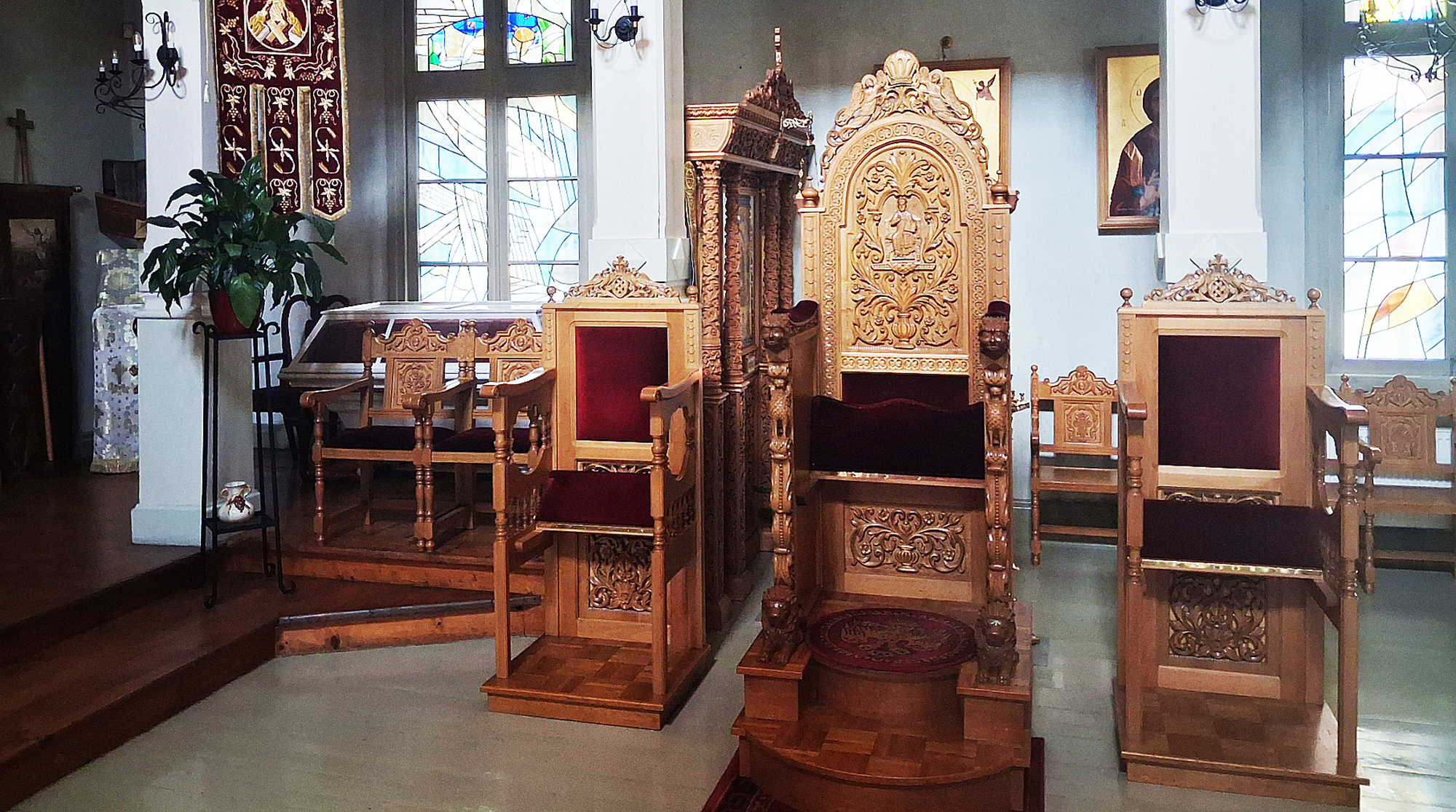
- sajandi algul sai kirikust oluline eestikeelse õigeusu koguduse kodu – alates 1918.–1919. aastast tegutses siin ülempreester Anton Laari eestvõttel eesti kogudus, ning aastast 1919 kuni 1936 juhtis kogudust ülempreester Nikolai Päts. Nõukogude okupatsiooni ajal, 1963. aastal, kogudus suleti ja hoone võeti kirikult ära; kellatorn ja tambuuritorn lammutati, hoones tegutses hiljem spordisaal. Alles pärast Eesti taasiseseisvumist, metropoliit Stefanuse eestvedamisel, algatati hoone tagastamine kirikule, ning see anti EAÕK-le tagasi 2001. aastal. Taastamistööde käigus tellis metropoliit Stefanus isiklikult Kreekast puunikerdusega ikonostaasi ja kirikumööbli, seinamaalingud teostasid kohalikud kunstnikud. Tänaseks toimib hoone taas aktiivse koguduse ja Tallinna piiskopkonna katedraalina.
Selles taastamisloos peitub oma teoloogia: hoone, mis kaotas oma torni ja oma nime, mis muudeti spordisaaliks – seega ruumiks, kust igasugune transtsendentsi viide oli sunniviisiliselt eemaldatud –, sai lõpuks tagasi oma algse otstarbe. See on väike, kuid kõnekas peegeldus laiemast lunastusloost: see, mis näis kadunud ja ilmalikustatud, ei olnud lõplikult kadunud.
Siimeon ja Hanna pühakirjas: ootuse teoloogia
Kiriku nimikandjate lugu on jutustatud Luuka evangeeliumi teises peatükis (Lk 2:22–38). Kui Maarja ja Joosep tõid nelipäevase Jeesuse vastavalt Moosese seaduse nõuetele Jeruusalemma templisse, et Ta Issandale pühendada ja ohverdada seaduses ettenähtud ohvriand, kohtasid nad seal kaht vanurit.
Esimene neist, Siimeon, on kirjeldatud kui õiglane ja jumalakartlik mees, “kes ootas Iisraeli lohutust”, ja kelle peal oli Püha Vaim. Talle oli Pühalt Vaimult ilmutatud, et ta ei sure enne, kui on näinud Issanda Messiat. Vaimu ajel tulles templisse ja lapse süles võttes lausub ta ühe kristliku traditsiooni tuntumaid palveid – Nunc dimittis ehk Siimeoni kiituslaulu: “Issand, nüüd sa lased oma sulasel lahkuda rahus oma sõna järgi, sest mu silmad on näinud sinu päästet.” See on palve, mida õigeusu ja katoliku kirik laulab tänaseni õhtuteenistustel – see on ootuse lõppemise ja rahuliku lahkumineku palve.
Teine tunnistaja, naisprohvet Hanna, on kirjeldatud kui väga kõrges eas lesknaine Aaseri suguharust, kes ei lahkunud templist, vaid teenis Jumalat päev ja öö paastumises ja palves. Tema kohtumine lapsega on lühemalt kirjeldatud, kuid mitte vähem oluline: tema tunnistas Jeesusest “kõigile, kes ootasid Jeruusalemma lunastust”.
Nende kahe kuju kokkukuulumine ei ole juhuslik. Piiblitekstis toimib kahe tunnistaja printsiip – Moosese seaduse kohaselt pidi iga asjaolu olema kinnitatud kahe või kolme tunnistaja poolt (5Ms 19:15). Siimeon ja Hanna, mees ja naine, esindavad Iisraeli kahekordset, sootuülest ootust: kogu rahva pikaajalist igatsust lunastuse järele, mis nüüd templis, kõige pühamas paigas, äkitselt ja tagasihoidlikult täitub – mitte võimsa ilmutusena, vaid vaese perekonna lapse kujul.
Patristiline mõtestamine: äratundmine kui vaimne küpsus
Kirikuisad on Siimeoni ja Hanna loole omistanud sügava vaimuliku tähenduse, mis ulatub kaugemale ajaloolisest sündmusest. Johannes Chrysostomos rõhutab oma homiiliates, et Siimeoni oskus ära tunda Messias vaese ja tundmatu lapse kujul oli võimalik ainult tänu sellele, et Vaim oli tema silmi juba varem valmistanud – väline nägemine üksi ei oleks piisanud. See tähendab, et jumalikku kohtumist ei tunta ära mitte silmadega, vaid vaimuga, mis on kannatlikkuse ja ustavuse kaudu selleks ette valmistatud.
Vana Kiriku traditsioonis nähakse Siimeonis ka kogu Vana Testamendi kehastust – teda on kutsutud “seaduse ja prohvetite” esindajaks, kes viimase esindajana annab tunnistust selle täitumisest ja seega ise oma missiooni lõpetab, öeldes “nüüd lased sa mind lahkuda”. Selles avaneb üleminek ootuse ajastust täitumise ajastusse, mis on üks õigeusu liturgilise aasta läbivaid teemasid – Kandlemääpüha (Jeesuse templisse toomine, 2. veebruar), mille pärimus otseselt sellel lool põhineb, on pühade kalendris positsioneeritud pöördepunktina talvest kevadesse, pimedusest valgusesse.
Hanna kuju juures on kirikuisad – muu hulgas ka hilisemad askeetliku traditsiooni kirjutajad, kelle vaimsuse juuri võib jälgida tagasi Iisaki Süürlaseni ja Johannes Klimakoseni – näinud eeskuju sisemisest, pidevast valvsusest: tema paast ja palve ei olnud eesmärk omaette, vaid vahend, mis hoidis ta hinge alalises valmisolekus. Nõnda kujutab Hanna endas kloostriliku ja askeetliku elu ideaali juba enne, kui kristlik monastitsism kui institutsioon üldse tekkis – tema elu templi juures on üks varasemaid pühakirjalisi eeskujusid sellele, mida hiljem kutsutakse “südame paastuks”.
Katedraal kui kohtumispaik: ruumi teoloogia
Kui Siimeoni ja Hanna lugu räägib ajaloolisest kohtumisest Jeruusalemma templis, siis kirik, mis kannab nende nime, taotleb sama tegelikkuse kordumist iga jumalateenistuse ajal. Õigeusu ekleesioloogias ei ole tempel ega kirik lihtsalt kogunemisruum, vaid pühitsetud ruum, kus taevane ja maine liturgia kohtuvad – kus ikonostaas, mis Tallinna katedraali puhul on Kreekast pärit puunikerdusega teos, toimib akna ja piirina korraga, ühendades nähtava ja nähtamatu maailma, ilma neid segamini ajamata.
Selles valguses ei ole tähtsusetu, et taastatud kirikuhoone sai oma ikonostaasi ja mööbli tagasi just tänu välismaisele annetusele ja koguduse enda uuestisünnile. Hoone, mis oli füüsiliselt tühjendatud oma pühast otstarbest – kasutusel spordisaalina, ilma torni ja ristita –, sai selle tagasi mitte iseenesest, vaid koguduse ustavuse ja väliste annetajate helduse kaudu. Selles peegeldub sama loogika, mis kannab Siimeoni ja Hanna lugu: keegi ei tunne ega saavuta lunastust üksi, vaid kogukonna, ustavuse ja järjepideva ootuse kaudu, mis lõpuks kohtub täitumisega.
Praktiline rakendus: ootuse vaimulik distsipliin tänases elus
Mida võib tänane usklik – olgu ta Tallinnas, Eestis või mujal – õppida Siimeonilt ja Hannalt, ja hoonelt, mis kannab nende nime?
Esiteks, kannatlikkuse teoloogia. Nii Siimeon kui Hanna ootasid aastakümneid, ilma et neile oleks antud täpset ajakava. Nende ootus ei olnud passiivne tardumus, vaid aktiivne valvsus – Siimeon “ootas” ja “Püha Vaim oli tema peal”, Hanna “ei lahkunud templist”, vaid “teenis ööd ja päevad”. Tänapäeva kiirustavas ja kohese rahulduse kultuuris on see väljakutse: vaimulik elu ei allu ajakavadele, mida me ise seame.
Teiseks, äratundmisvõime kultiveerimine. Chrysostomose tähelepanek, et Siimeon nägi Messiat mitte lihtsalt füüsiliste silmadega, vaid vaimuga, mis oli Jumala poolt ette valmistatud, kutsub üles regulaarsele palvele, pühakirja lugemisele ja sakramentaalsele osadusele kui vahenditele, mis meie sisemist tajumisvõimet vormivad. Jumal võib ilmuda ka meie elus tagasihoidlikul, ootamatul viisil – tundmatuna, vaesena, ebasoodsates tingimustes – ja meie ülesanne on olla vaimuga selleks ettevalmistatud.
Kolmandaks, tunnistamise kohustus. Hanna ei jäänud oma äratundmist endale, vaid “tunnistas kõigile, kes ootasid Jeruusalemma lunastust”. Vaimulik kogemus, mis jääb ainult isiklikuks, ei ole täielik – see nõuab jagamist kogukonnaga.
Neljandaks, lootus taastumisele. Katedraali enda saatus – hävingust, ilmalikustamisest ja unustusest tagasi pühaks kohaks – kannab endas lohutust neile, kes kogevad oma elus või oma kogukonnas näiliselt lõplikku kaotust. Nagu kirik saadi tagasi, nii saab ka murtud ja unustatud tagasi pühitseda.
Kokkuvõte
Tallinna Siimeoni ja Hanna katedraal on rohkem kui ajalooline mälestis või turismiobjekt – see on materiaalne tunnistus vaimulikust tõest, et jumalik kohtumine tuleb neile, kes on kannatlikult ja valvsalt ootama jäänud. Selle puust seinad, mis on korduvalt lammutatud ja taastatud, kõnelevad samast lootusest, mida Siimeon ja Hanna templis kogesid: et see, mida oodatakse aastakümneid või isegi sajandeid, ei jää ilmumata neile, kelle silmad ja süda on Vaimu poolt selleks valmistatud.
Palve
Issand Jumal, kes Sa lasksid oma sulasel Siimeonil ja naisprohvet Hannal näha oma silmadega päästet, mida kogu maailm ootas, anna ka meile kannatlik ja valvas süda. Vormi meie sisemine silm nägema Sind seal, kus me Sind kõige vähem ootame – tagasihoidlikus, vaeses ja tundmatus. Nõnda nagu see pühakoda, mis kandis kaotust ja unustust, ent sai taas pühitsetud, taasta ka meie hingedes see, mis on murtud, ja tee meid ustavaks tunnistajaks kõigile, kes ikka veel ootavad lohutust. Sinu, kolmainu Jumala, Isa ja Poja ja Püha Vaimu, ülistuseks igavesti. Aamen.
Prayer
Lord God, who let Your servant Simeon and the prophetess Anna see with their own eyes the salvation for which the whole world waited, grant us too a patient and watchful heart. Shape our inner eye to see You where we least expect You — in the humble, the poor, and the unknown. Just as this sanctuary, which bore loss and neglect, was consecrated once again, restore also in our souls what is broken, and make us faithful witnesses to all who still wait for consolation. To Your glory, triune God, Father, Son, and Holy Spirit, forever. Amen.

Trough all this I want to declare this is all from God and to God. All Glory to Him!