Views: 23
Usk ja Head Teod Piiblis: Kuidas Õigeusk Ühendab Usu ja Tegusid Päästeks
Kristlik usk ei ole kunagi olnud pelgalt intellektuaalne veendumus või emotsionaalne kogemus. Piibel esitab selle kui elava jõu, mis avaldub paratamatult tegudes. Õigeusu teoloogia rõhutab seda sünergilist ühtsust: Jumala arm ja inimese vaba vastus käivad käsikäes pääste teel. See artikkel analüüsib Piibli võtmekirjakohti – eriti Roomlaste, Efeslaste ja Jakoobuse kirju – ning toob välja, kuidas õigeusk sünteesib need tõed harmooniliseks õpetuseks, kus usk ja head teod viivad üheskoos igavese eluni.
Usu ja Tegude Dialektika Piiblis
Piibel ei sea usku ja tegusid vastandusse, vaid näitab neid üksteist täiendavatena. Efeslastele 2:8-10 kuulutab selgelt: „Sest teie olete armust õndsaks saanud usu kaudu ja see pole mitte teist enestest; see on Jumala and; mitte tegudest, et ükski ei saaks kiidelda. Sest meie oleme tema teod, loodud Kristuses Jeesuses headeks tegudeks, mida Jumal on ette valmistanud, et me neis käiksime.“
Siin rõhutatakse, et pääste algab täielikult Jumala armust ja usust, mitte inimese saavutustest. See välistab kiitlemise „seaduse tegudest“ (nt juudi rituaalidest või moraalsest enesepuhastusest). Kuid järgmine salm lisab kohe: me oleme loodud headeks tegudeks. Usk ei ole passiivne; see on seeme, millest kasvab viljakas elu. Õigeusu vaates on see armu vastuvõtmine, mis aktiveerib inimese tahtevabaduse koostöös Jumalaga – nn synergia.
Roomlaste kiri süveneb õigeksmõistmise teemasse. Paulus kuulutab: „Me arvame, et inimene mõistetakse õigeks usu läbi, Seaduse tegudest sõltumata“ (Roomlastele 3:28). See vastab juutide ja paganate vaidlusele: keegi ei saa päästet „tööd“ tehes, justkui tasuks Jumalale. Pääste on kingitus, mida võetakse vastu usus Kristusesse. Siiski ei ole Paulusel „usk üksi“ abstraktses tähenduses. Roomlastele 6–8 peatükid rõhutavad uut elu Vaimus, kus usk avaldub kuulekuses, armastuses ja võitluses patu vastu. Usk muudab inimese, viies teda pühitsuse teele, mis on täis tegusid.
Jakoobuse kiri pakub praktilist tasakaalu: „Mis kasu on, mu vennad, kui keegi ütleb, et tal on usk, aga tal ei ole tegusid? Kas usk suudab teda päästa?“ (Jk 2:14). Jakoobus kasutab näiteid: Abraham, kes uskus ja ohverdas Iisaku (Jk 2:21-23), ning Raahab, kes varjas spioone (Jk 2:25). „Sa näed, et usk tegutses koos tema tegudega ja usk sai täiuslikuks tegude kaudu“ (Jk 2:22). Usk ilma tegudeta on surnud, nagu keha ilma vaimuta (Jk 2:26).
Õigeusu teoloogia ei näe siin vastuolu Pauluse ja Jakoobuse vahel, vaid täiendust. Paulus räägib pääste algusest (õigeksmõistmine armu läbi), Jakoobus lõpust ja ilmingust (elav usk, mis kannab vilja). See on terviklik antropoloogia: inimene on kogu olemusega – hing ja keha, usk ja teod – kaasatud päästesse.
Õigeusu Teoloogiline Alus: Synergia Pääste Teel
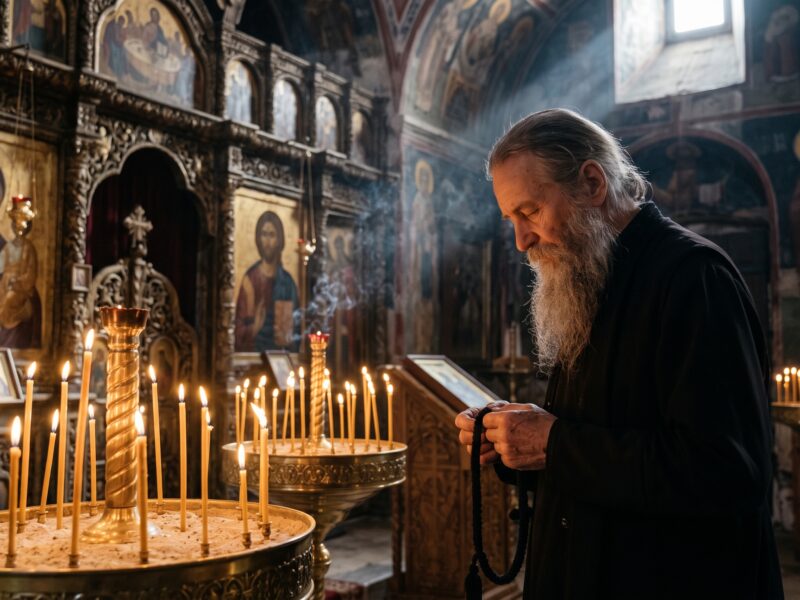
Õigeusu kirik õpetab theosis’t – inimese jumalikustumist armu osaduses. Pääste ei ole juriidiline deklaratsioon, vaid elav osadus Jumalaga, mis algab ristimisega ja jätkub kogu elu jooksul sakramentide, palve, paastu ja heade tegude kaudu. Grace (arm) on Jumala eneseandmine, mis eeldab inimese vaba vastust. See ei ole pool Jumalalt ja pool inimeselt, vaid Jumala algatus, millele inimene vastab kogu südamega.
Pühad Isad nagu Johannes Kuld suu rõhutavad, et usk ilma tegudeta on nagu puu ilma viljata. Head teod ei ole „teenimine“ pääste eest, vaid armu viljad ja vahendid, mille kaudu arm kasvab meis. Liturgiline elu – jumalik liturgia, palved, almused, ligimesearmastus – kehastab seda ühtsust. Õigeusk lükkab tagasi nii pelgalt „usule tugineva“ passiivsuse kui ka pelgalt „tegudele“ keskenduva legalismi.
Roomlaste kirja valguses näeme, et seaduse teod (rituaalsed) ei päästa, kuid moraalsed teod armus on hädavajalikud. Efeslaste kirjas on heade tegude ettevalmistus Jumala poolt – need on osa Jumala plaanist. Jakoobuse järgi on teod usu autentne tunnistus. Süntees on selge: usk haarab kinni Kristusest ja toob kaasa elumuutuse, mis avaldub tegudes. Ilma selleta on usk surnud; tegudeta jääb pääste mitteteostatuks inimelus.
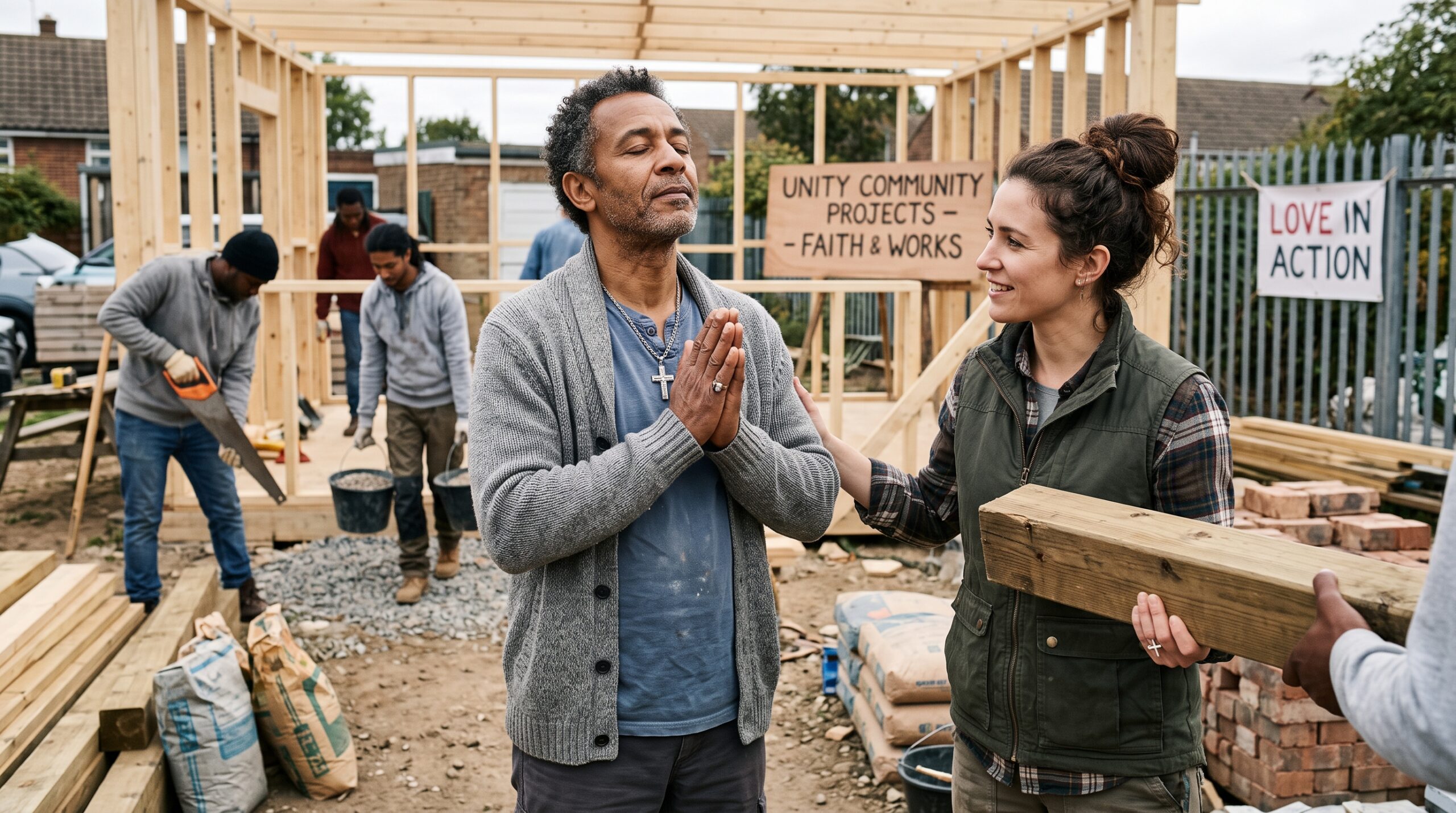
See õpetus on sügavalt pastoriaalne. Kaasaegses maailmas, kus usk võib taanduda isiklikuks „vaimsuseks“ või teod sotsiaalseks aktivismiks, kutsub õigeusk terviklikkusele: südame muutus, mis väljendub kätes, mis teenivad, jalgades, mis käivad ligimese juurde, ja suus, mis kuulutab head sõnumit.
Kokkuvõtteks: Elav Usk Tegudes
Piibel ja õigeusu pärimus kutsuvad meid elavasse usku, mis ühendab armu kingi ja vastutust. Usk avab ukse päästele; teod kannavad meid läbi selle ukse igavese osaduse poole. See pole vastuolu, vaid ilus sünergia, kus Jumal töötab meis ja meie Teda läbi (Fl 2:12-13).
Palve usu võimendamiseks ja heade tegude palumiseks:
Issand Jeesus Kristus, meie Jumal, kes oled armu ja tõde täis! Täna meid oma Püha Vaimuga, et meie usk ei oleks surnud ega viljatu, vaid elav ja tegus, nagu Su apostlid õpetasid. Süüta meis armastuse tule, et me näeksime ligimest Sinu silmadega ja teeniksime teda rõõmuga. Anna meile jõudu vastu seista kiusatustele, et meie teod peegeldaksid Sinu valgust pimeduses. Palume, et me kasvaksime theosis’is, jumalikustumises. Õpeta meid palvetama, paastuma, andestama ja armastama, et meie usk oleks täiuslik tegudes. Issand, halasta meie peale, andesta meie nõrkused ja vii meid igavesse elu Sinu riigis. Aamen.

Trough all this I want to declare this is all from God and to God. All Glory to Him!
- Õigeusu Palve, paast ja usk: õigeusu tee deemonite väljaajamiseks - 8. okt. 2026
- Kreeka õigeusu rist – tähendus, sümboolika ja kristlik traditsioon - 6. okt. 2026
- Kreeka õigeusu mungad – elu, usk, palve ja kloostrid - 6. okt. 2026