Views: 258
Christian Key Beliefs: 7 Core Doctrines Every Christian Should Know – Prayers
Christianity stands as one of the world’s largest and most influential faiths, rooted in profound theological truths that have shaped civilizations, ethics, and personal lives for over two millennia. Understanding the Christian key beliefs is essential not only for believers but for anyone seeking to grasp Western culture, philosophy, and spirituality. This article explores the 7 core doctrines of Christianity with analytical depth, biblical foundations, and thoughtful reflection—moving beyond surface-level summaries to examine their interconnectedness and timeless relevance.
1. The Authority and Inspiration of Scripture
The foundation of all Christian doctrine is the belief that the Bible is the inspired, infallible Word of God. This doctrine, known as sola scriptura in Protestant tradition, asserts that Scripture is the ultimate authority for faith and practice.
Key Bible verses:
- “All Scripture is God-breathed and is useful for teaching, rebuking, correcting and training in righteousness” (2 Timothy 3:16).
- “For prophecy never had its origin in the human will, but prophets, though human, spoke from God as they were carried along by the Holy Spirit” (2 Peter 1:21).
Analytical insight: Unlike other religious texts viewed as human reflections, the Bible claims divine origin. This creates a unique epistemological stance—truth is revealed, not merely discovered. Lesser-known aspect: the doctrine of perspicuity (clarity) holds that essential truths are understandable to ordinary readers through the Holy Spirit’s illumination, democratizing access to God’s will.
2. The Triune God (Trinity)
Christians believe in one God eternally existing in three co-equal, co-eternal Persons: Father, Son, and Holy Spirit. This mystery is central to Christian monotheism.
Key Bible verses:
- “Therefore go and make disciples of all nations, baptizing them in the name of the Father and of the Son and of the Holy Spirit” (Matthew 28:19).
- “Hear, O Israel: The Lord our God, the Lord is one” (Deuteronomy 6:4) combined with New Testament revelations of threeness.
Analytical insight: The Trinity is not logical contradiction but profound relational ontology. God is love (1 John 4:8) because eternal relationship exists within the Godhead. This doctrine challenges both strict unitarianism and polytheism, offering a relational foundation for human community and dignity.
3. The Person and Work of Jesus Christ (Christology)
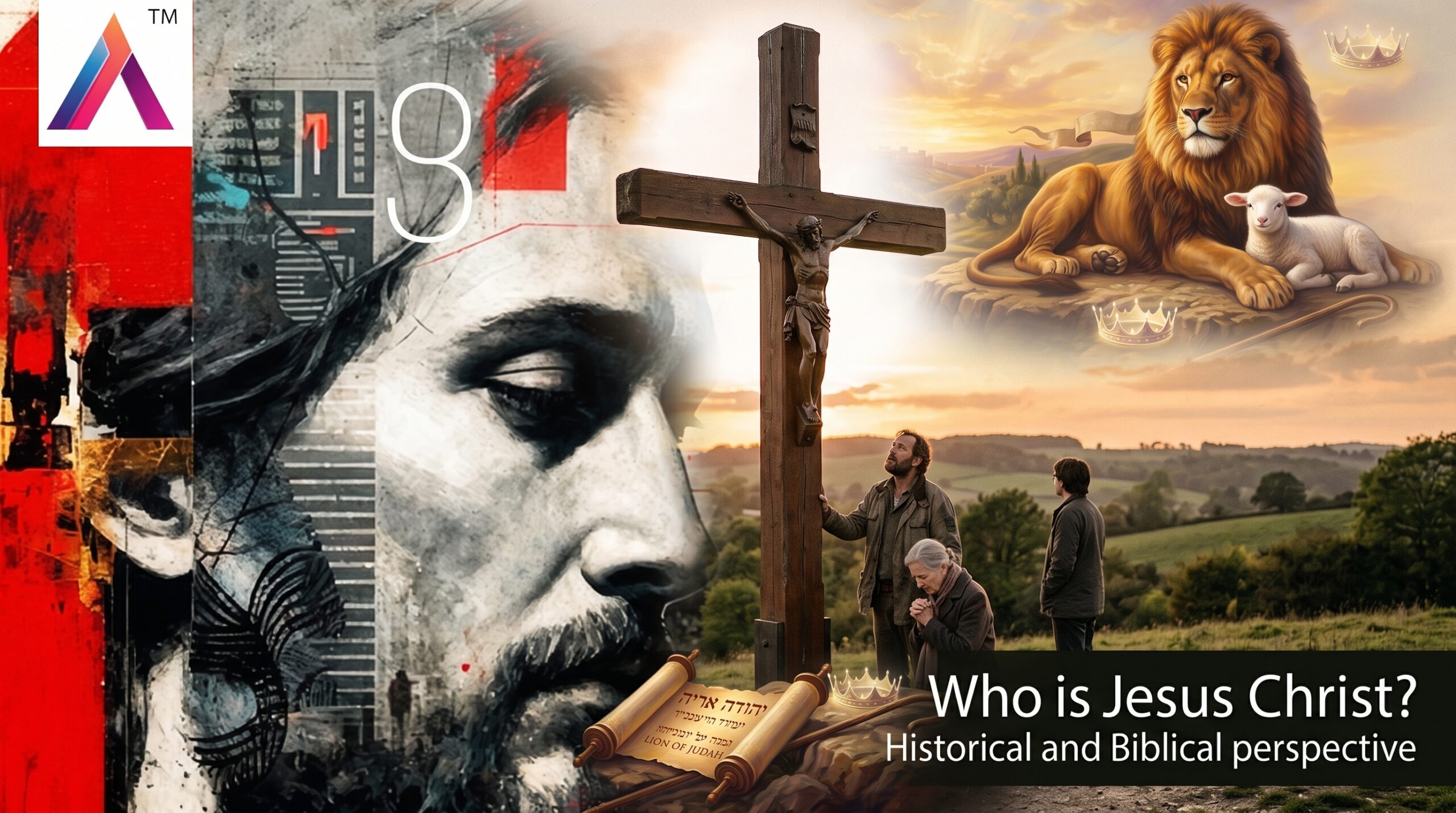
Jesus is fully God and fully man—the incarnate Son. His virgin birth, sinless life, substitutionary death, and literal resurrection form the heart of the Gospel.
Key Bible verses:
- “In the beginning was the Word, and the Word was with God, and the Word was God… The Word became flesh” (John 1:1, 14).
- “He is the image of the invisible God… For God was pleased to have all his fullness dwell in him” (Colossians 1:15-19).
Analytical insight: The hypostatic union (two natures in one Person) is among the most sophisticated doctrines. It bridges divine transcendence and human immanence. A lesser-known implication: Christ’s obedience not only pays for sin but also provides positive righteousness imputed to believers.
4. The Holy Spirit and His Ministry
The Holy Spirit is not an impersonal force but the third Person of the Trinity, active in creation, conviction, regeneration, sanctification, and empowerment.
Key Bible verses:
- “But when he, the Spirit of truth, comes, he will guide you into all the truth” (John 16:13).
- “And you also were included in Christ when you heard the message of truth… having believed, you were marked in him with a seal, the promised Holy Spirit” (Ephesians 1:13).
Analytical insight: Pentecostal and charismatic movements highlight ongoing gifts, while cessationist views emphasize the completed canon. Analytically, the Spirit’s role ensures Christianity is not mere moralism but a living, transformative relationship.
5. The Reality of Sin and the Fall
Humanity’s rebellion against God (original sin) has corrupted every aspect of life—mind, will, and affections—creating separation from God.
Key Bible verses:
- “For all have sinned and fall short of the glory of God” (Romans 3:23).
- “Therefore, just as sin entered the world through one man, and death through sin, and in this way death came to all people” (Romans 5:12).
Analytical insight: Unlike optimistic secular humanism, Christianity offers a realistic anthropology. This doctrine explains evil without making God its author and underscores grace’s necessity. Lesser-known: the noetic effects of sin affect even human reasoning and perception of truth.
6. Salvation by Grace Through Faith (Soteriology)
Salvation is a free gift received by grace alone through faith alone in Christ alone—not earned by works.
Key Bible verses:
- “For it is by grace you have been saved, through faith—and this is not from yourselves, it is the gift of God—not by works” (Ephesians 2:8-9).
- “If you declare with your mouth, ‘Jesus is Lord,’ and believe in your heart that God raised him from the dead, you will be saved” (Romans 10:9).
Analytical insight: This doctrine liberates from performance-based religion. Justification is forensic (legal declaration), while sanctification is progressive. Deeper analysis reveals union with Christ as the organic heart of salvation—believers are “in Christ.”
7. The Church, Resurrection, and Last Things (Ecclesiology & Eschatology)
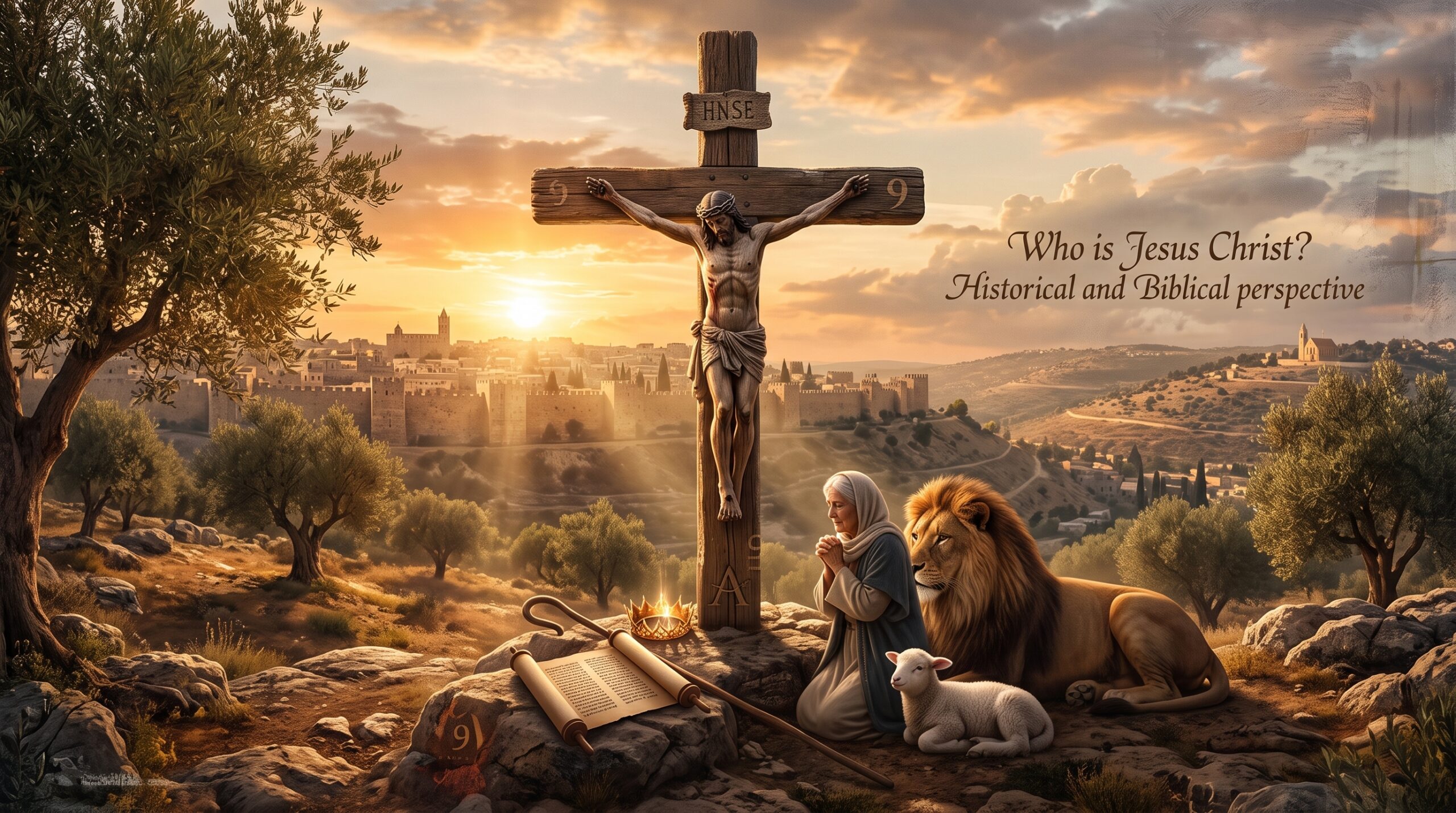
The Church is the body of Christ. Christians affirm the bodily resurrection, final judgment, and eternal life—either with God or separated from Him.
Key Bible verses:
- “And I tell you that you are Peter, and on this rock I will build my church” (Matthew 16:18).
- “For the Lord himself will come down from heaven… and the dead in Christ will rise first” (1 Thessalonians 4:16).
- “Then I saw ‘a new heaven and a new earth’” (Revelation 21:1).
Analytical insight: Eschatology fuels hope amid suffering. The “already but not yet” tension—kingdom inaugurated yet awaiting consummation—encourages both cultural engagement and longing for Christ’s return. Lesser-known streams include amillennial, postmillennial, and premillennial interpretations that shape Christian ethics differently.
Synthetic Overview: The Coherent Christian Worldview
These 7 core doctrines form a unified tapestry. Scripture reveals the Triune God who creates, redeems through Christ, regenerates by the Spirit, and restores a sin-marred world. The doctrines are interdependent: without the Trinity, Christ’s deity collapses; without grace, the atonement loses power. Christianity thus offers not fragmented rules but a comprehensive metanarrative of creation-fall-redemption-consummation.
This worldview values human dignity (imago Dei), justice, forgiveness, and hope—principles that continue influencing human rights, art, science, and charity.
Prayer for Understanding Christianity
Heavenly Father, Triune God of grace and truth, open our minds and hearts to truly know You. Illuminate Your Word by the Holy Spirit so that we may grasp the depth of Your doctrines—not merely intellectually, but with transformative faith. Help us move beyond cultural Christianity into living relationship with Jesus Christ. Reveal the beauty of Your holiness, the seriousness of sin, the wonder of salvation, and the hope of eternity. Unite Your Church in love and truth, and draw many into the knowledge of Your Son. In the name of Jesus Christ, our Lord and Savior, Amen.
Päästepalve (Sinner’s Prayer)
Lord Jesus, I acknowledge that I am a sinner in need of Your grace. I believe You died on the cross for my sins and rose again on the third day. I repent of my sins and turn away from them. I invite You into my life as my Lord and Savior. Forgive me, cleanse me, and fill me with Your Holy Spirit. Help me follow You all the days of my life. Thank You for the gift of eternal life. In Jesus’ name, Amen.
If you prayed this prayer sincerely, the Bible teaches that you have passed from death to life (John 5:24).

Trough all this I want to declare this is all from God and to God. All Glory to Him!