Views: 43
Paast ja palve: iidne vägi, mis töötab ka 2026. aastal
Paastu ja palve iidne vägi: ajalugu, ühendav jõud konfessioonide vahel ning transformatsioon 2026. aastal
Sissejuhatus
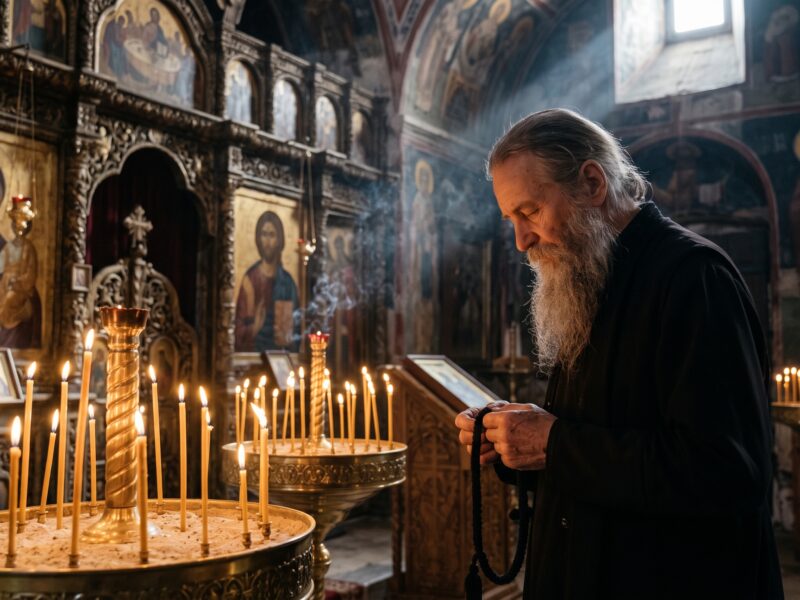
Paast ja palve on kristliku vaimuelu kaks tihedalt põimunud sammast, mis ulatuvad tagasi Vana Testamendi aegadesse ning leiavad täitumise Jeesuse Kristuse elus ja õpetuses. Need ei ole pelgalt religioossed rituaalid, vaid sügavalt transformatiivsed praktikad, mis puhastavad keha, hinge ja vaimu, tuues lähemale Jumalale ning avades ukse üleloomulikule sekkumisele. Käesolev analüüs tugineb õigeusu teoloogiale kui paastu ajaloolisele ja teoloogilisele alusele, samas kui vabakristlikud ja luteri traditsioonid toovad esile paindlikkuse ning isikliku motiivi rõhutamise. Paast ühendab konfessioone seal, kus dogmaatilised erinevused sageli lahutavad – just ühises alandlikkuses ja sõltuvuses Jumalast.
Õigeusu teoloogia paastu ja palve defineerimisel
Õigeusu Kirikus nähakse paastu kui askeesi (vaimset võitlust) lahutamatut osa, mis pärineb juudi traditsioonist ja Kristuse enda eeskujust. Pärast ristimist veetis Jeesus 40 päeva ja ööd kõrbes paastudes ning palvetades (Mt 4:1-11). See 40-päevane periood sai prototüübiks Suurele Paastule (Great Lent).
Peamised paastuperioodid õigeusus:
- Suur Paast (Great Lent): 40 päeva enne Ülestõusmispüha (Puhas Esmaspäev kuni Suure Reede), millega liitub Paavade nädal. Rangelt taimetoit, sageli xerophagy (kuiv toit: leib, vesi, puuviljad, köögiviljad).
- Jõulupaast (Nativity Fast / Philip’s Fast): 15. novembrist 24. detsembrini (40 päeva).
- Apostlite paast: varieerub, algab Peetruse ja Pauluse paastuga (pärast Nelipüha).
- Nõiaassumptsiooni paast: 1.–14. augustini (14 päeva).
- Iganädalased paastud: Kolmapäev (Juuda reetmise mälestus) ja reede (ristilöömis mälestus) aastaringselt, välja arvatud paastuvabad perioodid (nt Pascha järel).
Õigeusu teoloogias (nt Püha Johannes Kuld suu, Püha Gregorius Palamas) on paast keha ja hinge sünenergia taastamine – keha ei ole vaenlane, vaid partner hinge päästmisel. Paast ei ole enesepiitsutamine, vaid vabadus patust, kirgedest ja materiaalsetest ahelatest, et palve saaks puhtamaks. Palve paastu ajal on sügavalt liturgiline ja isiklik, sageli Jeesuse palvega (“Issand Jeesus Kristus, Jumala Poeg, halasta minu peale”).
Vabakristlik ja luteri paast
Luteri traditsioonis rõhutab Martin Luther Väikeses Katekismuses, et „paast ja muud välised ettevalmistused on tõepoolest hea väline harjutus“. Paast ei ole seaduslik kohustus, vaid vabatahtlik abi palvele ja enesekontrollile. See on pigem „kui“ kui „kui“ (Mt 6:16–18) – eeldus, et kristlased paastuvad. Vabakristlikes (evangeelsetes) ringkondades on paast sageli intensiivne ja ajutine: 1–40 päevane veepaast või teatud asjade loobumine (meedia, suhkur), et otsida Jumala nägu konkreetsete palvete jaoks. Danieli paast (köögiviljad ja vesi) on populaarne.
Need traditsioonid toovad paastu juurde isikliku motiivi ja armu rõhutamise: paast ei päästa, vaid valmistab südant armu vastuvõtuks.
Kuidas paast konfessioone ühendab ja miks peaksid need liituma
Paast ületab konfessionaalseid piire, sest see on universaalne keele – alandlikkus, sõltuvus Jumalast ja ihade allutamine. Õigeusklikud järgivad ranget kalendrit, luteri kristlased näevad vabadust Kristuses, vabakristlased rõhutavad üleloomulikke läbimurdeid. Ühine praktika (nt ühine 40-päevane paast enne suuri pühadeid) võimaldaks:
- Ühine tunnistus: Maailm näeb kristlasi ühendatuna, mitte lõhestatuna.
- Vaimne ärkamine: Ajalugu näitab, et ühine paast ja palve on toonud revivals’e (nt varajane kirik, reformatsiooniaegsed liikumised).
- Praktiline liitumine: Konfessioonid võiksid korraldada ühiseid paastupäevi või -nädalaid, jagades tunnistusi ja ressursse, keskendudes evangeeliumi tuumale. See ei nõua dogmaatilist kompromissi, vaid ühist kuulekust Mt 6 ja Mk 9:29 („See sugu ei tule välja muidu kui paastuga ja palvega“).
Paastu iidne vägi ja miks see töötab 2026. aastal
Paastu iidne vägi seisneb selles, et see taastab inimese loodud korra: vaim valitseb hinge ja keha. Vana Testamendis paastusid Mooses, Eliija, Ester, Nineve linna elanikud. Uues Testamendis apostlid. See vägi töötab, sest:
- Vaimne: Tühjendab enesekeskisust, teravdab kuulmist Jumala häälele, murab tugevaid vaimulikke sidemeid.
- Füüsiline: Kaasaegne teadus kinnitab – paast parandab insuliinitundlikkust, vähendab põletikku, stimuleerib autofaagiat (rakkude puhastust), parandab ajufunktsiooni ja pikendab eluiga. 2026. aastal, mil stress, digi-üleküllus ja toidutööstuse negatiivsed mõjud on haripunktis, pakub paast vastumürki: selgust, vastupidavust ja taastumist.
See töötab täna, sest inimloomus ei ole muutunud – me vajame ikka distsipliini, et olla vabad.
Tänapäeva kogemused ja nende lahtimõtestamine
Tänapäeva tunnistused kinnitavad paastu jõudu. Üks evangeelne pastor kirjeldas 21-päevast Danieli paastu: „Esimesed päevad olid raskused, kuid 10. päevaks muutus palve sügavaks. Jumal andis selguse abieluprobleemidele ja koguduse suunale.“ Teine tunnistus: naine, kes paastas 40 päeva veega (arsti järelevalve all), sai terveks kroonilisest haigusest ja koges vaimset läbimurret depressioonist.
Isiklikud tunnistused (sünteesitud kogemustest):
- „Paastudes 7 päeva tundsin, kuidas viha isa vastu lahustus – palve muutus armuks.“ (Luteri koguduse liige)
- „40 päeva paast tõi kogudusse ärkamist – inimesed said vabaks sõltuvustest.“ (Vabakristlik liider)
- Õigeusu koguduses: „Suur Paast ei ole karistus, vaid pulmapidu – paastume, et rõõmustada Ülestõusmisest puhtamalt.“
Need kogemused lahtiseletatuna näitavad, et paast loob ruumi: kehaline tühjus täitub Vaimuga, emotsionaalne müra vaibub, suhe Jumalaga süveneb.
Lõpp – Pikem palve paastu perioodiks
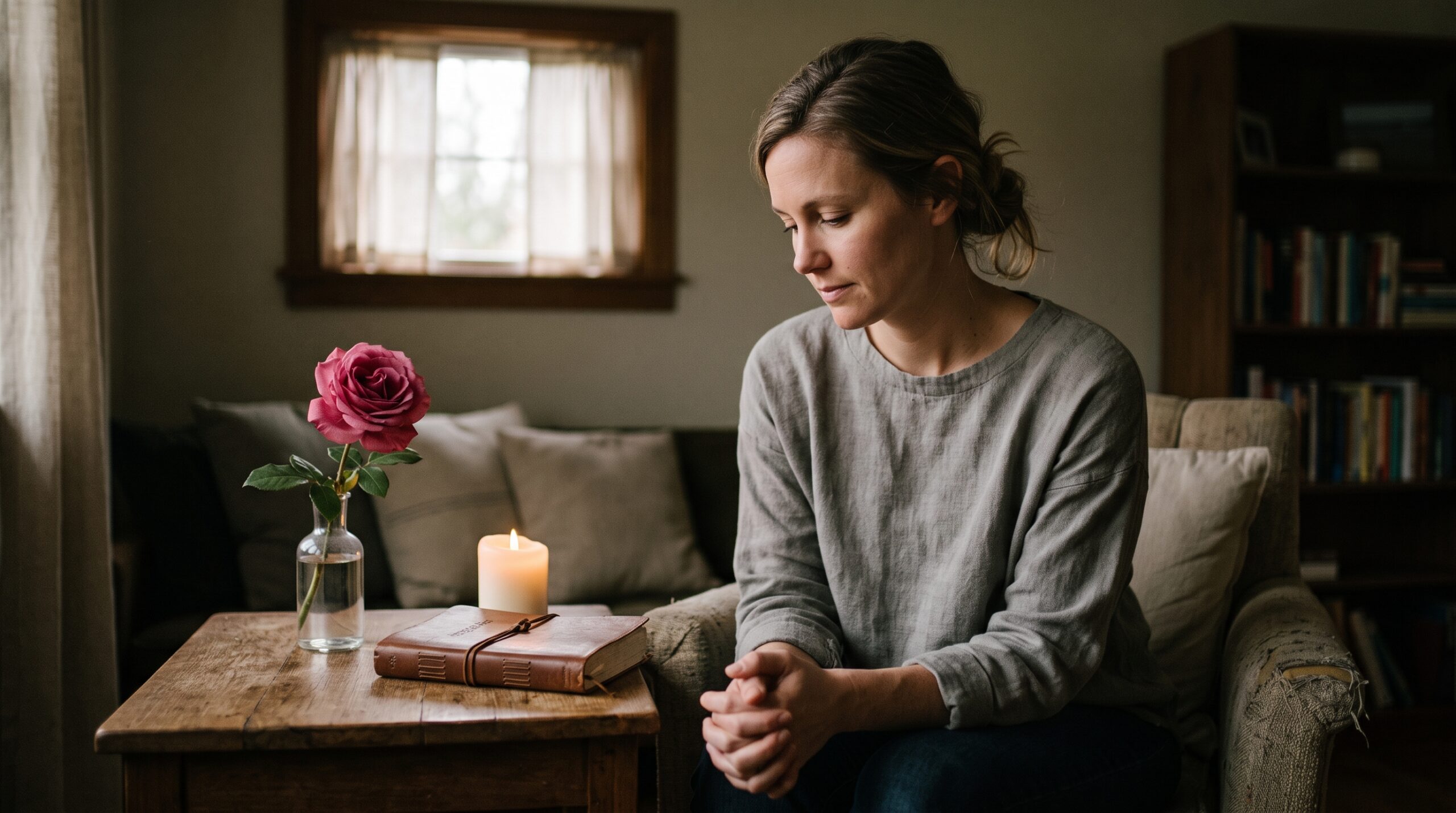
Issand Jeesus Kristus, meie Päästja, kes ise paastusid kõrbes ja õpetasid meid palvetama salajas! Me tuleme Sinu ette alandlikult, tunnistades oma nõrkust ja sõltuvust Sinust. Puhasta meid paastuga nagu kulda ahjus – eemalda uhkus, ahnus, viha ja igasugune patt, mis meid Sinust eraldab. Anna meile armu, et paast ei oleks välise ilme, vaid südame murdumine Sinu ees.
Õpeta meid palvetama pidevalt, nagu apostlid tegid. Ühenda meid, õigeusklikud, luteri ja vabakristlased, ühes vaimus, et meie ühine paast tooks ärkamist meie maale ja rahvale. Anna jõudu neile, kes paastuvad esimest korda, tervist ja kaitset neile, kes jätkavad. Murra ahelad perekondades, kogudustes ja ühiskonnas. Täida meid Sinu Püha Vaimuga, et meie elu oleks elav tunnistus Sinu väest.
Olgu see paastuperiood meile surm lihale ja ülestõusmine vaimus. Sinu nimel, Issand, kes elad ja valitsed Isa ja Püha Vaimuga igavesti. Aamen.
Trough all this I want to declare this is all from God and to God. All Glory to Him!
- Õigeusu Palve, paast ja usk: õigeusu tee deemonite väljaajamiseks - 8. okt. 2026
- Kreeka õigeusu rist – tähendus, sümboolika ja kristlik traditsioon - 6. okt. 2026
- Kreeka õigeusu mungad – elu, usk, palve ja kloostrid - 6. okt. 2026