Views: 14
A History of the Apostle’s Fast: Ancient Origins, Patristic Testimonies, Development, and Spiritual Depth in the Orthodox Tradition
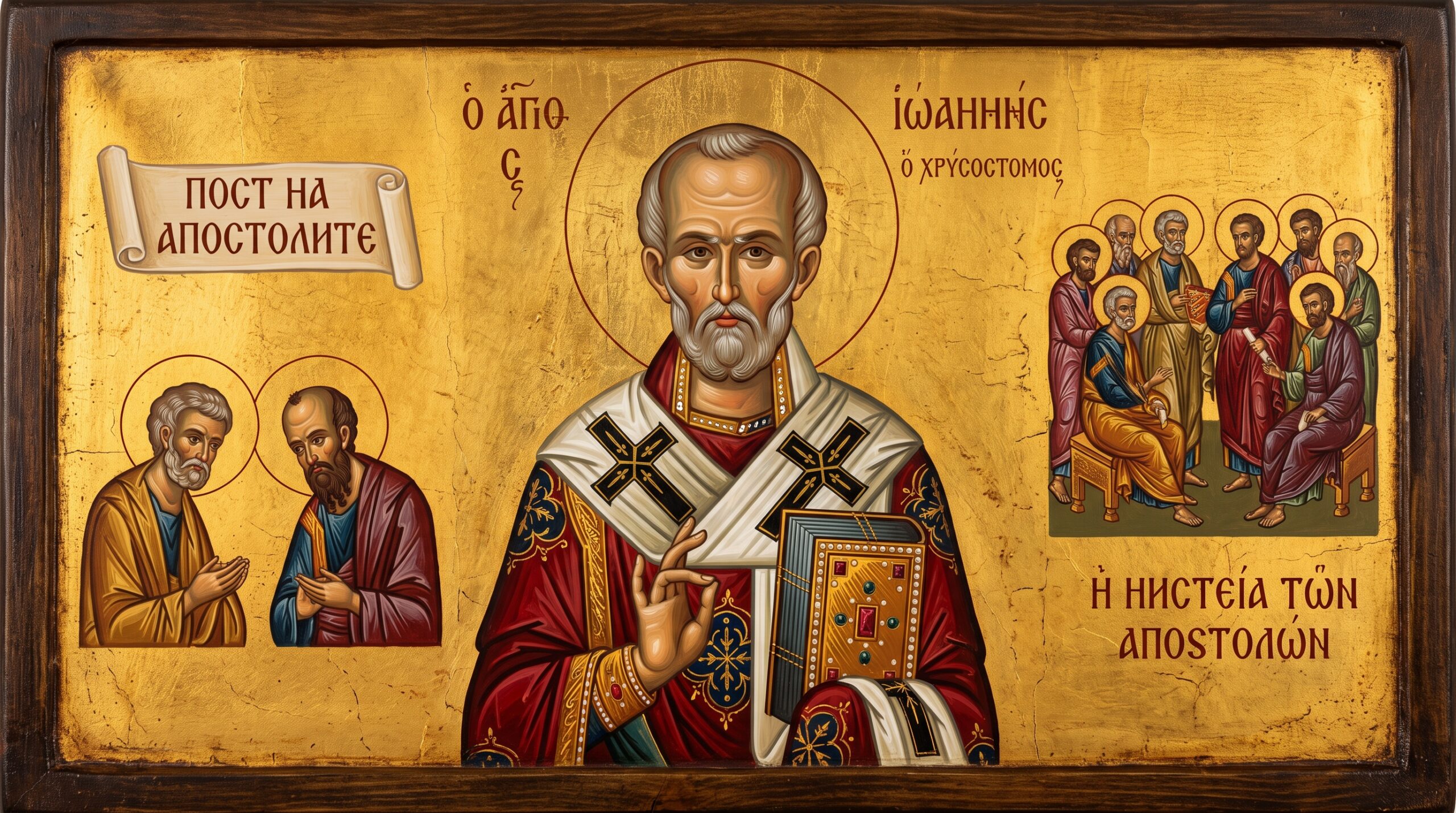
The Apostle’s Fast, also known as the Fast of Saints Peter and Paul, is one of the oldest and most significant fasting periods in Christian history. It immediately follows Pentecost and prepares the faithful for the feast of the holy Apostles Peter and Paul on June 29. This comprehensive article analyzes the origins, historical development, key patristic quotes, and contemporary significance of the Apostle’s Fast. It is based on reliable Orthodox sources to provide readers with a deep and factual overview.
Biblical and Early Roots of the Apostle’s Fast
The foundation of the Apostle’s Fast lies in Holy Scripture and the example of the Apostles themselves. After the Lord’s Resurrection and the joyous days of Pentecost, the Apostles prepared to preach the Gospel to the whole world. They used fasting and prayer to gain strength and God’s guidance.
St. John Chrysostom writes in his Homily 57 on the Gospel of Matthew: “The Apostles almost always fasted.” This short but powerful quote summarizes the Apostles’ lifestyle — fasting was not an exception for them, but a regular practice.
In the Acts of the Apostles, we find several examples: “While they were worshiping the Lord and fasting, the Holy Spirit said, ‘Set apart for me Barnabas and Saul for the work to which I have called them.’ Then after fasting and praying they laid their hands on them and sent them off” (Acts 13:2–3). Similarly, during ordinations: “And when they had appointed elders for them in every church, with prayer and fasting they committed them to the Lord in whom they had believed” (Acts 14:23).
Patristic Testimonies – The Oldest Historical Evidence
St. Athanasius the Great (†373) is the earliest known source to mention the Apostle’s Fast. In his letter to Emperor Constantius, speaking about the Arian persecution, he describes: “During the week following Pentecost, the people who observed the fast went out to the cemetery to pray.” This shows that the fast was already widespread in the 4th century.
Other great Church Fathers who testify to the antiquity of the fast include:
- St. Ambrose of Milan
- St. Leo the Great
- Theodoret of Cyrrhus
These testimonies confirm that the Apostle’s Fast dates back to the first centuries of Christianity, not to the later Middle Ages. Some sources indicate that it was originally known as the “Pentecost Fast” or “Disciples’ Fast,” but later received its name in honor of the Apostles. It received further confirmation at the First Ecumenical Council of Nicaea (325).
Development and Variability of the Fast’s Duration
Unlike Great Lent, which is fixed at 40 days, the duration of the Apostle’s Fast is variable — it depends on the date of Pentecost (Pascha).
- Early centuries: Often 1–2 weeks.
- Byzantine tradition: Begins on the Monday after All Saints Sunday and lasts until June 29.
- Today: The length can range from 8 to 42 days (or even up to 49 days in the old calendar). In some years the fast may be very short or, in certain calendar systems, not occur at all.
This flexibility reflects that the fast developed through the living tradition of the Church rather than as a strict law. Monastic communities later helped make the fast stricter.
Spiritual Analysis: Fasting Is More Than Food Abstinence
The Apostle’s Fast has a profound spiritual dimension. It is not merely a diet, but:
- Thanksgiving and Remembrance — gratitude for the Apostles’ work and martyrdom.
- Preparation — preparation for the Apostles’ feast and missionary work for today’s Christians as well.
- Cultivation of the Soul — fasting tramples sins and cultivates virtues, as emphasized by St. John Chrysostom.
Fasting helps the faithful follow the Apostles’ example in an active Christian life. In the modern context of scattered attention, this period offers an opportunity to turn inward, increase prayer, and practice almsgiving.
Practical Guidelines: Wednesdays and Fridays are usually stricter (plant-based foods). Fish is often allowed on Saturdays and Sundays. The sick, pregnant women, children, and the elderly receive relaxations — fasting is a blessing, not a burden.
The Apostle’s Fast in the Contemporary Orthodox Church
In various Orthodox traditions (Greek, Russian, Serbian, etc.), the fast is observed similarly, but calendar differences (new vs. old calendar) affect the starting date. In 2026, for example, the fast begins in early or mid-June, depending on the jurisdiction.
The fast is an excellent time to read patristic texts, increase acts of charity, and participate in divine services. It connects us directly to the time of the Apostles and reminds us that Christianity is a living tradition.
Conclusion and Invitation
The Apostle’s Fast is a living link to the early days of the Church. As St. Athanasius and other Fathers say, this practice is as old as the Church itself. It calls us not only to physical but especially to spiritual fasting — turning away from sins, loving our neighbor, and drawing closer to God.
Recommendation: Begin the fast with simple prayer and gradual dietary restraint. Consult your spiritual father for personal guidance.

Trough all this I want to declare this is all from God and to God. All Glory to Him!