Views: 33
Orthodoxy in 2026: How to Find True Faith and Deep Christianity Today
The Theological Foundation of Orthodoxy – Bible, Church Fathers, and God’s Revelation
Orthodoxy is not merely one branch of Christianity, but the living tradition of the Church that stretches from the time of the Apostles to the present day. Its depth is revealed through the Bible, especially the Greek New Testament and the Septuagint (the Greek translation of the Old Testament), which the Orthodox Church regards as authoritative. In Hebrew, faith (emunah) means not only intellectual belief but faithfulness, trust, and loyalty – an active relationship with God, as David sings in the Psalms: “The Lord is my rock and my fortress” (Ps 18:3). In Greek, pistis denotes faith as trust, conviction, and fidelity. The Apostle Paul emphasises in Philippians 3:9 the “faith of Christ” (pisteos Christou), which Orthodox theologians interpret as participation in Christ’s own faith and faithfulness, not merely our belief in Him. This is a unifying communion (koinonia), not just doctrine.
The Nicene Creed (325 AD), formulated by the 318 Holy Fathers against the heresy of Arius, stands at the heart of Orthodoxy: “We believe in one God, the Father Almighty… and in one Lord Jesus Christ, the only-begotten Son of God…” It affirms the Trinity and the full divinity and humanity of Christ. The Holy Fathers such as Athanasius of Alexandria, Basil the Great, Gregory of Nazianzus, and John Chrysostom emphasised theosis – the deification of man by grace. “God became man so that man might become god,” said Athanasius. This is not pantheism, but communion with God’s energies and grace while preserving the distinction of natures.
Orthodox theology follows the principle lex orandi, lex credendi – the rule of prayer is the rule of faith. Liturgy, the sacraments (especially the Eucharist), and asceticism form the path to true faith. Unlike Western scholasticism, the Eastern Church stresses experiential knowledge (theoria) and prayer of the heart (hesychasm). The Desert Fathers, such as Anthony the Great and Ephrem the Syrian, showed that faith is an inner struggle against the passions in order to reach God’s silence. The Bible is not merely a book but the living Word of the Church, interpreted through the Holy Spirit and the consensus of the Fathers (consensus patrum).
Lesser-Known Depths and Contemporary Challenges
In today’s world of 2026, fragmented by secularism, technology, and geopolitical tensions, Orthodoxy offers deep roots. A less widely known aspect is the practical path of theosis: the constant repetition of the Jesus Prayer (Kyrie eleison) brings the mind (nous) into the heart, where true encounter with God occurs. St Gregory Palamas’ teaching on the distinction between God’s essence and energies explains how God is both unknowable and fully participable. This provides a profound answer to Western rationalism.
In Estonia in 2026, Orthodoxy remains the largest Christian denomination (approximately 16% of the population), yet it faces challenges of identity – questions between the Moscow Patriarchate and the Ecumenical Patriarchate of Constantinople, as well as advancing secularisation. Less discussed is how Orthodox spirituality offers a holistic anthropology: man as the icon of God, whose vocation is to transform the world into a sacrament. Contemporary theologians such as John Zizioulas emphasise personhood – faith as communion between Persons in the Trinity and within the Church.
True faith is not comfort but the Cross. Orthodox fasting, prayer, almsgiving, and liturgical life constitute a path that transcends individualism. Another lesser-known element is the theology of icons: an icon is not merely an image but a window to the prototype. It is the confirmation of the Incarnation.
Practical Facts and Application of the Path
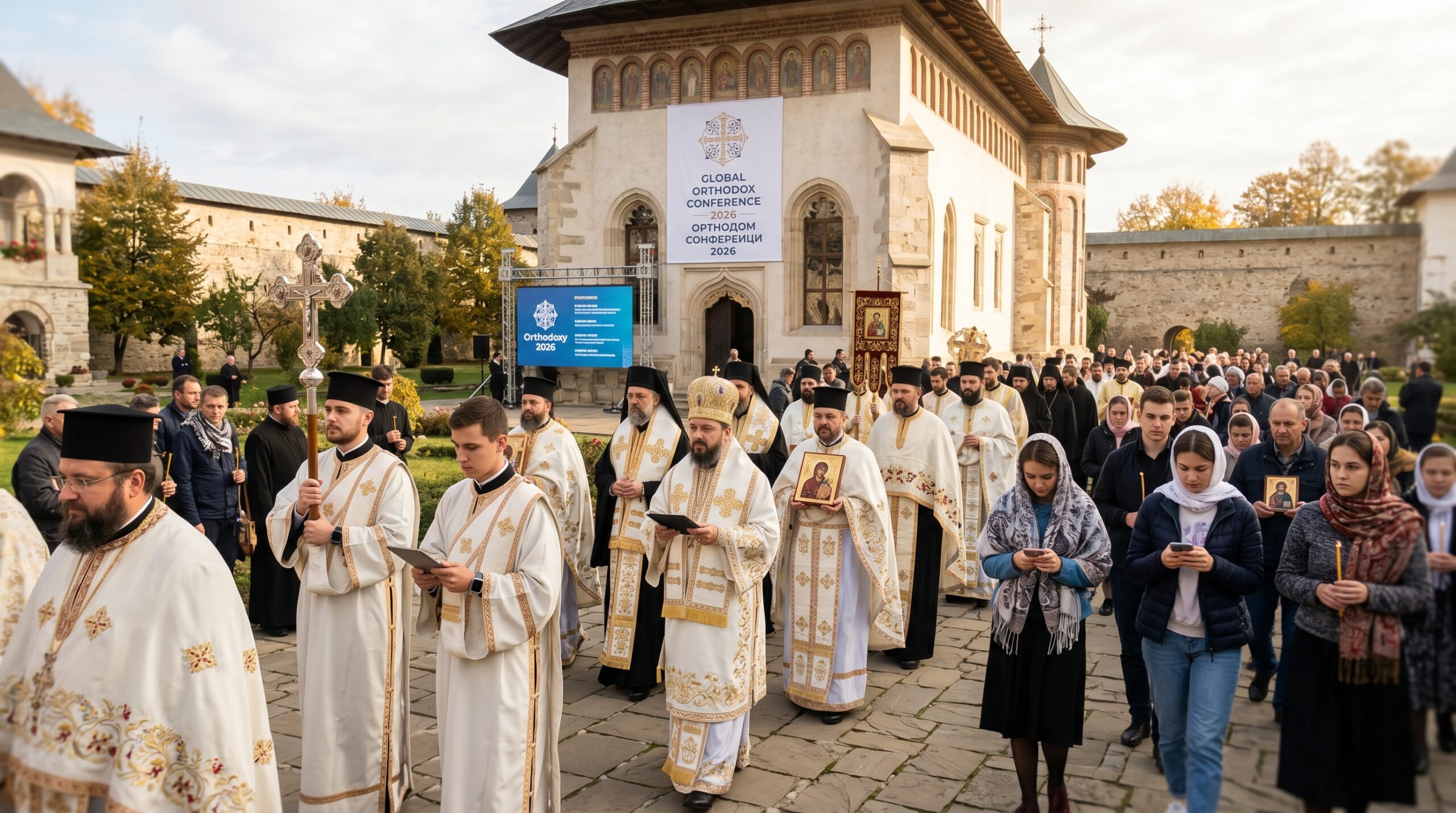
In Estonia there are two main jurisdictions: the Estonian Apostolic Orthodox Church (under Constantinople) and the church under the Moscow Patriarchate. Statistics show that Orthodox believers form a significant part of the Russian-speaking community, but interest among ethnic Estonians in this ancient tradition is also growing. The liturgy is rich in symbols – incense, chant, and icons – that nourish the whole person. The sacraments, especially baptism, chrismation, and Holy Communion, are means of communion.
How to find true faith in 2026? Begin with regular church attendance, the Jesus Prayer, reading the Bible together with commentaries by the Church Fathers (such as John Chrysostom’s homilies on the Gospel of Matthew). Participate in fasting, study the Philokalia or The Ladder of Divine Ascent. Learn about Estonian Orthodox parishes – they are open to seekers. True faith is born in the heart where Christ dwells.
This path requires humility: do not seek emotions, seek communion. Orthodoxy does not offer easy answers but a living relationship with the Triune God who transforms us by His grace.
Longer Prayer for Understanding Orthodox Theology:
Lord Jesus Christ, our God, who are the Light of the world and the Truth that sets us free, grant to us, Your servants, a deep understanding of the Orthodoxy of Your Church. Open our minds and hearts to the teaching of the Holy Fathers, so that we may comprehend Your Trinity – Father, Son, and Holy Spirit – not abstractly but through living communion. Help us to read the Scriptures in the light of the Spirit, so that the Hebrew emunah and Greek pistis may become our very life. Heavenly Father, lead us closer to the mystery of theosis, that we may grow in Your likeness. Holy Spirit, guide us into the liturgical life where heaven and earth meet. Protect us from delusions in today’s world, grant us strength to resist the passions and find peace in hesychia. Bless the Orthodox churches in Estonia, that they may be strong witnesses to Your grace. Through the prayers of all the saints, especially the Theotokos, our protector, bring us to true faith and eternal life. Amen.
Trough all this I want to declare this is all from God and to God. All Glory to Him!