Views: 28
Who Are the Archangels in the Bible and Orthodox Tradition? Michael, Gabriel, Raphael and Their Role in Protection and Salvation Today
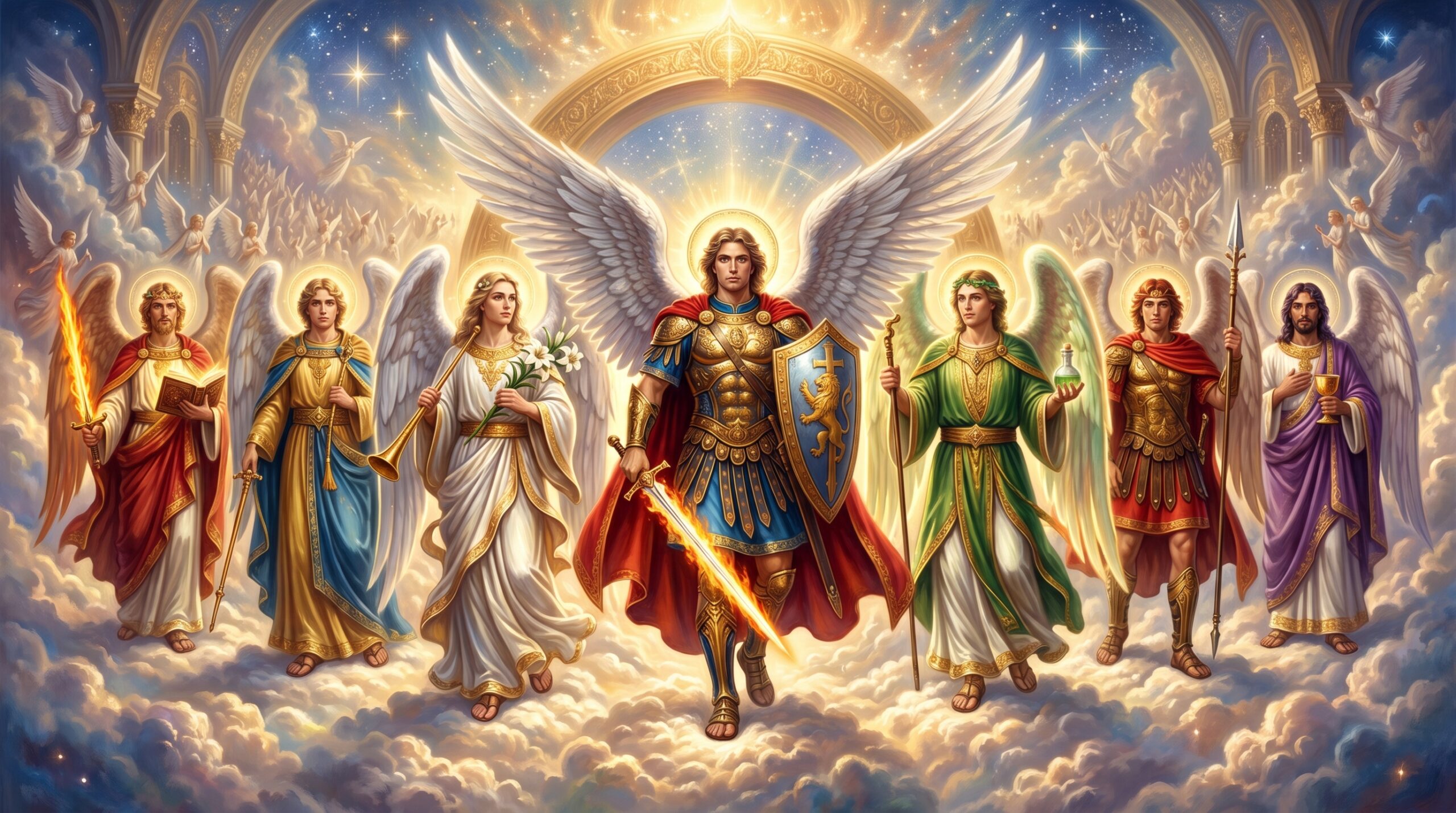
Angels occupy a significant place in Christian understanding of the cosmos as created, spiritual beings who serve God and assist humanity. Among them, the archangels Michael, Gabriel, and Raphael stand out in Scripture and tradition. Their presence invites reflection on divine protection, guidance, and healing amid a world that often feels chaotic. In both Free Christianity (Protestant traditions emphasising personal faith and Scripture) and Eastern Orthodoxy (with its rich liturgical and patristic heritage), archangels point to God’s active care. Exploring them opens space for meaningful dialogue between these streams of Christianity.
Theological Foundation in the Bible, Church Fathers and Original Languages
The biblical foundation rests on Hebrew and Greek texts. The Hebrew name Mikha’el (מִיכָאֵל) means “Who is like God?” – a rhetorical question affirming God’s uniqueness. Michael appears as a chief prince and warrior in Daniel 10:13, 21 and 12:1, defending God’s people. In the Greek New Testament, he is explicitly called the archangel (archaggelos) in Jude 1:9, contending with the devil over Moses’ body, and in Revelation 12:7–9, leading the heavenly host against the dragon.
Gabriel (Gavri’el, גַּבְרִיאֵל), meaning “God is my strength” or “Hero of God,” serves as a divine messenger. In Daniel 8:16 and 9:21 (Hebrew Bible), he interprets visions. In the Greek of Luke 1:19 and 1:26, he announces the births of John the Baptist and Jesus, embodying clarity and divine initiative.
Raphael (Rapha’el, רָפָאֵל), “God heals,” appears in the deuterocanonical Book of Tobit (Greek Septuagint), where he accompanies Tobias, drives away demons, and restores sight (Tobit 12:15). He declares himself one of the seven angels who stand before God’s glory.
Orthodox theology, drawing on Church Fathers such as Dionysius the Areopagite, John of Damascus, and Gregory Palamas, integrates archangels into the celestial hierarchy and the economy of salvation. Angels participate in God’s uncreated energies, aiding theosis – humanity’s deification or participation in the divine nature (2 Peter 1:4). They are not objects of worship but intercessors and protectors who reflect God’s glory. Michael leads the battle against evil forces, Gabriel reveals mysteries of the Incarnation, and Raphael manifests God’s healing power. This aligns with the patristic view that creation, including angelic orders, serves the restoration of all things in Christ.
The shared biblical trunk is clear: “For he will command his angels concerning you to guard you in all your ways” (Psalm 91:11). Free Christianity often emphasises the protective role through personal faith, while Orthodoxy highlights their liturgical presence and ongoing ministry within the sacramental life of the Church.
Lesser-Known Aspects, Potential and the Development of Dialogue
Lesser-known dimensions include the archangels’ connection to theosis. In Orthodox thought, angels model the pure contemplation and service to which humans are called through grace. Raphael’s healing in Tobit prefigures sacramental healing; Michael’s victories echo the believer’s spiritual warfare; Gabriel’s announcements point to the Word becoming flesh.
Free Christianity, guided by sola Scriptura, may approach these figures more cautiously, focusing on explicit biblical texts, yet many Protestant traditions affirm angelic protection and guidance today. Orthodoxy’s veneration (not worship) of archangels through icons and feasts enriches this by embodying the Incarnation – matter can point to the divine, just as “the Word became flesh” (John 1:14).
Dialogue potential is rich. Both traditions affirm angels as real ministers of God’s providence and protection in daily life. Shared ground lies in prayer for angelic assistance against evil, guidance in discernment, and healing in body and soul. Differences – such as the role of tradition alongside Scripture or the nature of veneration – can become opportunities for mutual learning: Protestants offering fresh biblical engagement, Orthodox contributing depth of historical continuity and mystical awareness.
Such dialogue could unfold through joint Bible studies on angelic texts, shared testimonies of protection, and exploration of how archangels point to Christ, the true Protector and Healer. In a secular age, their combined witness strengthens Christian resilience and mission.
Existing Factual Dialogue and Practical Steps
Concrete steps already exist. Ecumenical conversations, including those in the Lutheran-Orthodox Joint Commission and broader World Council of Churches forums, have touched on angels within discussions of creation, spiritual warfare, and salvation. Local initiatives in places like Estonia and elsewhere feature joint prayer services and seminars where Protestants and Orthodox share experiences of divine intervention. Feasts like the Synaxis of the Archangels in Orthodoxy invite wider reflection, while many evangelical resources highlight angelic encounters today.
These leaves demonstrate that focus on archangels can bridge traditions, fostering unity in diversity without erasing distinctives. Practical outcomes include collaborative prayer initiatives for protection in times of crisis and joint outreach emphasising God’s care.
Prayer to the Archangels:
Holy Archangel Michael, defender against evil and protector of God’s people, guard us in spiritual battle. Holy Archangel Gabriel, bearer of good news and divine strength, enlighten our minds with God’s truth. Holy Archangel Raphael, healer sent by God, restore our bodies, souls, and relationships. Guide, protect, and heal us today as we journey toward fuller communion with the Triune God. Amen.
Prayer on the Dialogue between Free Christianity and Eastern Orthodoxy:
Lord Jesus Christ, You who are the head of one body, which is your Church, look mercifully upon your children who seek You in different ways. Unite the fiery heart of Free Christianity and the liturgical beauty of Eastern Orthodoxy, so that together they may bear witness to the depth of your grace. Remove prejudices, open eyes to true communion in your body and blood. Grant us wisdom to listen to one another, humility to learn, and love that overcomes differences. May your Spirit be the guide in every conversation, so that our dialogue may bring glory to your name and fulfil your prayer that all may be one. Through the intercession of the holy archangels Michael, Gabriel, and Raphael, strengthen our common witness to your protection, guidance, and healing in the world today. Let sola Scriptura and holy tradition meet not in opposition but in mutual enrichment in the light of your Truth. May the ministry of angels and the power of your Incarnation draw us closer, so that the world may see your love in our unity in diversity. Amen.

Martinus Vaicarius’s mission is to:
- Provide spiritual support and guidance to people seeking peace and hope
- Create prayer texts that bring God’s peace to hearts suffering under fear and anxiety
- Promote deep understanding of the power of theGod of Sabaoth and the protection of the heavenly hosts
- Help people enter the spiritual sphere where God’s peace reigns over all
AICortex Invest OÜ