Views: 30
Orthodox Christianity: The Ancient Faith That’s Growing Faster Than Ever in 2026
Orthodox Christianity, also known as Eastern Orthodoxy, represents the oldest and most unchanged form of Christianity, tracing its roots directly back to the time of the Apostles. In 2026, a remarkable growth of this tradition is being observed worldwide, especially in Western societies, where people are seeking deep spirituality, liturgical beauty, and historical continuity. This is no coincidence — the rapid changes of the modern world, the crisis of values, and the longing for roots are drawing many back to this ancient faith that has preserved its essence through the centuries.
The Historical Roots of Orthodox Christianity
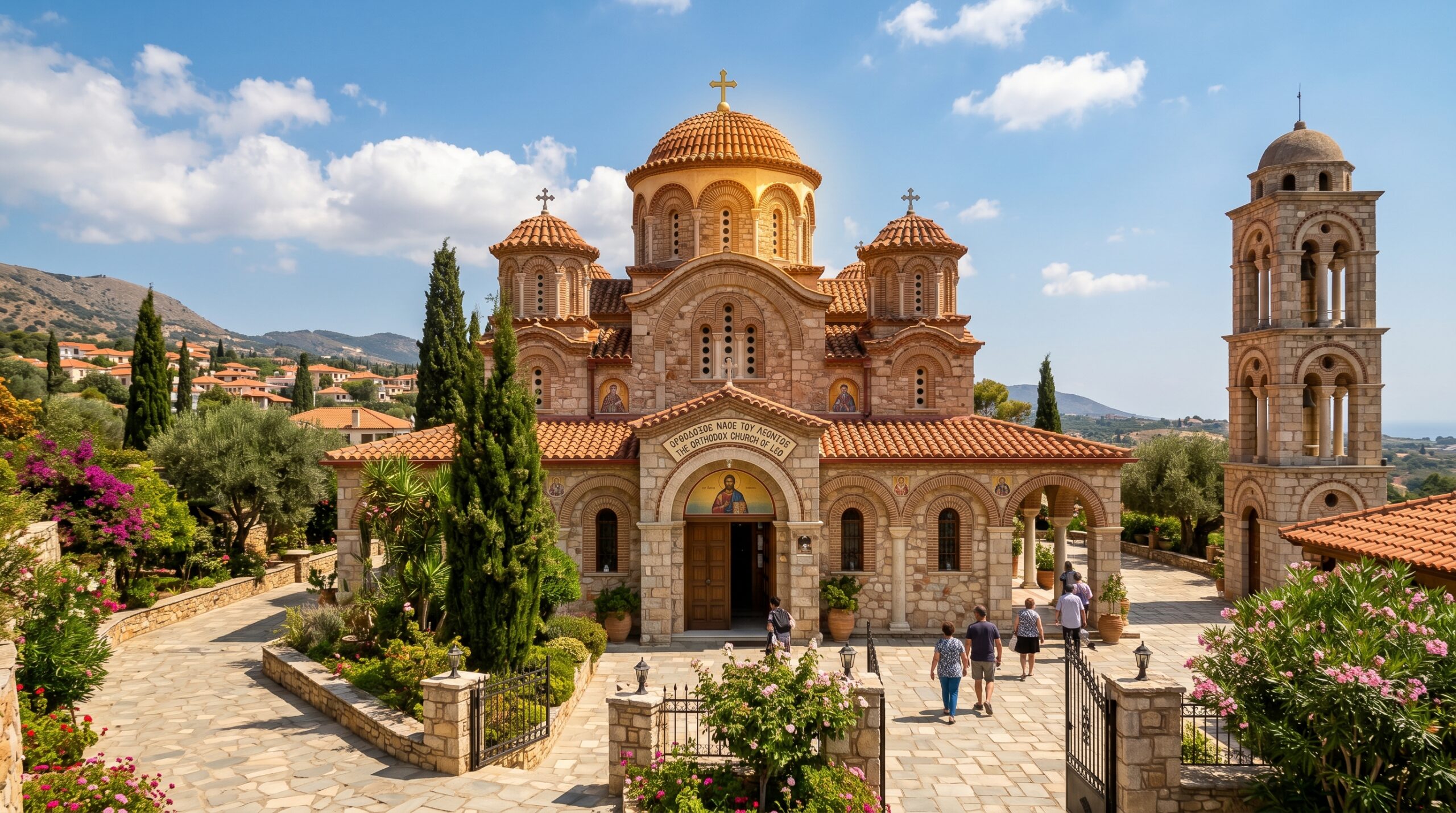
The Orthodox Church considers itself the original Christian community founded by Christ and passed on by the Apostles. Its history begins in the first century as the Apostles spread the Gospel in the eastern part of the Roman Empire. Unlike Western Christianity, which developed under centralized Roman authority, Orthodoxy maintained a structure of autocephalous (self-governing) churches, with key centers in Alexandria, Antioch, Jerusalem, and Constantinople.
The Seven Ecumenical Councils (325–787 AD) defined the core dogmas, including the doctrine of the Trinity and the divine-human nature of Christ. These councils defended the faith against heresies and formed the foundation upon which Orthodoxy still stands today. Apostolic succession — the unbroken line of bishops connected to the Apostles — remains one of the cornerstones of the Orthodox Church.
The Bible supports this continuity: “And I tell you, you are Peter, and on this rock I will build my church, and the gates of hell shall not prevail against it” (Matthew 16:18). The Apostle Paul also emphasizes the importance of tradition: “So then, brothers, stand firm and hold to the traditions that you were taught by us, either by our spoken word or by our letter” (2 Thessalonians 2:15). These passages highlight that faith is not only individual but communal and traditional.
Beliefs and Practices of Orthodox Christianity
Orthodox theology is based on Holy Scripture, Holy Tradition, the Church Fathers, and the Seven Ecumenical Councils. Central to it is theosis — the deification of man, union with God through grace. This is not merely moral improvement but a profound transformation in which a person participates in the divine life.
The Holy Mysteries (Sacraments) number seven: Baptism, Chrismation, Eucharist, Confession, Anointing of the Sick, Marriage, and Ordination. The Eucharist is the heart of liturgical life, where participants enter into mystical union with Christ’s Body and Blood.
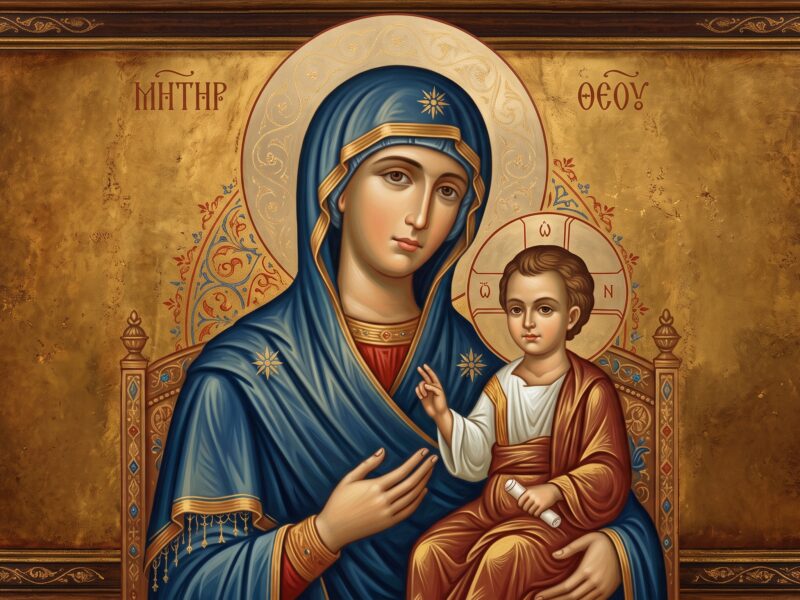
Icons are not mere images but windows to heaven. Their veneration is based on the doctrine of the Incarnation — God became flesh, therefore visible representation is possible. “Whoever has seen me has seen the Father” (John 14:9) supports visual worship.
The Liturgy is rich and uses the Byzantine rite, combining chant, incense, and icons to elevate the mind to heaven. It differs significantly from many contemporary Protestant services by offering a profound sensory and spiritual experience.
Why Is Orthodox Christianity Growing Faster Than Ever in 2026?
In 2026, the Orthodox Church numbers approximately 220–260 million followers worldwide, making it the second-largest Christian confession. While its global share has slightly decreased in some regions, conversion growth in the West — particularly in the United States — is exploding. Many parishes report record numbers of catechumens — adults preparing for baptism or reception into the Church.
The reasons are diverse. Modern secularism and liberal theology in many Western churches have left people thirsty for an authentic, unchanging faith. Orthodoxy offers:
- Apostolic continuity — the feeling of being connected to the first-century Church.
- Mystical depth — liturgical life, fasting, prayer, and theosis.
- Traditional values — family, morality, and community as opposed to extreme individualism.
- Resistance to modernity — emphasis on sacred mystery rather than rational simplification.
Young men in particular seek discipline and purpose. Many come from evangelical or Catholic backgrounds, disillusioned by cultural accommodation. “You are the light of the world… You are the salt of the earth” (Matthew 5:13–14) speaks powerfully to those who desire to be part of something greater and enduring.
In traditional Orthodox countries such as Russia, Romania, and Greece, Orthodoxy remains strong (over 70% in Russia). In Eastern Europe, it supports national identity. At the same time, missionary work is driving growth in Africa and Asia.
Orthodox Christianity in Estonia
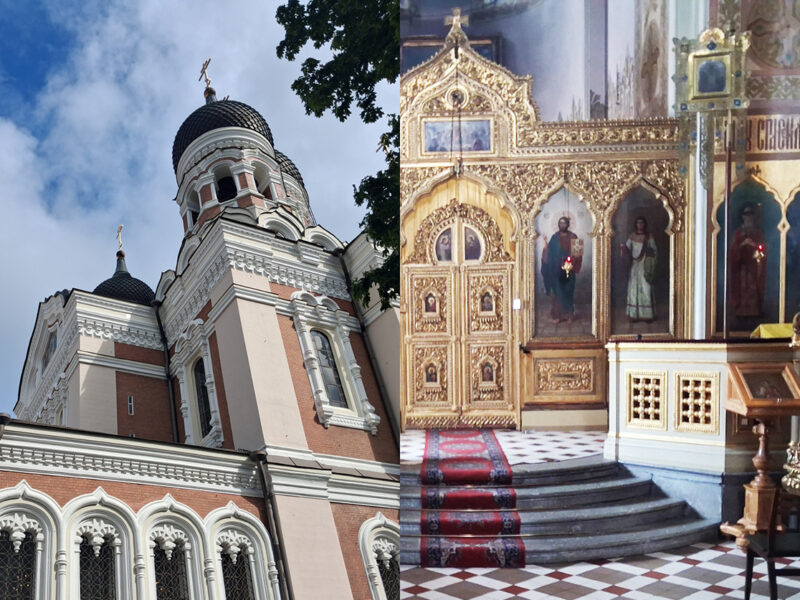
In Estonia in 2026, Orthodox Christianity remains the largest Christian denomination, comprising about 16% of the population — ahead of Lutheranism (around 8%). Most adherents are Russian-speaking, but interest among ethnic Estonians is growing due to the search for authenticity. The Estonian Apostolic Orthodox Church (under the Ecumenical Patriarchate of Constantinople) and the Moscow Patriarchate jurisdiction exist side by side, reflecting historical tensions.
Orthodoxy offers a rich liturgical tradition that contrasts sharply with secular society. Many young people discover it through icons, monasteries (such as Pühtitsa), and fasting practices. It helps preserve spiritual heritage in a globalized world.
Deeper Analysis: Why Now?
Modern man is overloaded with information yet hungers for meaning. Orthodoxy does not offer easy answers but a path — asceticism, prayer (especially the Jesus Prayer), and sacramental life. It addresses the existential crisis of our time.
In the light of Scripture, the Church is “the pillar and buttress of the truth” (1 Timothy 3:15). The Apostle John warns: “Every spirit that does not confess Jesus is not from God” (1 John 4:3). Orthodoxy stresses that true faith is apostolic, not reshaped according to contemporary trends.
The growth in 2026 reflects a reaction to postmodernism. Where other traditions have adapted, Orthodoxy offers permanence. This does not mean isolation, but an invitation to deeper communion with Christ.
Conclusion
Orthodox Christianity is not a relic of the past but a living faith that in 2026 is growing faster than ever due to its authenticity. It calls everyone to discover the faith of the Apostles, where time and eternity meet in the Liturgy. Whoever seeks roots will find here a rich source. As Christ said: “I am the way, and the truth, and the life” (John 14:6) — a path that has remained pure through the centuries.
This ancient faith offers modern man hope that true spirituality is not a passing trend but an eternal reality.

Martinus Vaicarius’s mission is to:
- Provide spiritual support and guidance to people seeking peace and hope
- Create prayer texts that bring God’s peace to hearts suffering under fear and anxiety
- Promote deep understanding of the power of the
- God of Sabaoth and the protection of the heavenly hosts
- Help people enter the spiritual sphere where God’s peace reigns over all
AICortex Invest OÜ
- Dormition Fast 2026: When It Begins, When It Ends, and How to Fast Rightly - 2. Aug 2026
- The Nevsky Cathedral on Toompea: A Century-Old Dispute Over a Symbol of Russification - 1. Aug 2026
- The Meaning and Power of Prayer in Christianity: Biblical Teaching and the Wisdom of the Church Fathers - 29. Jul 2026